

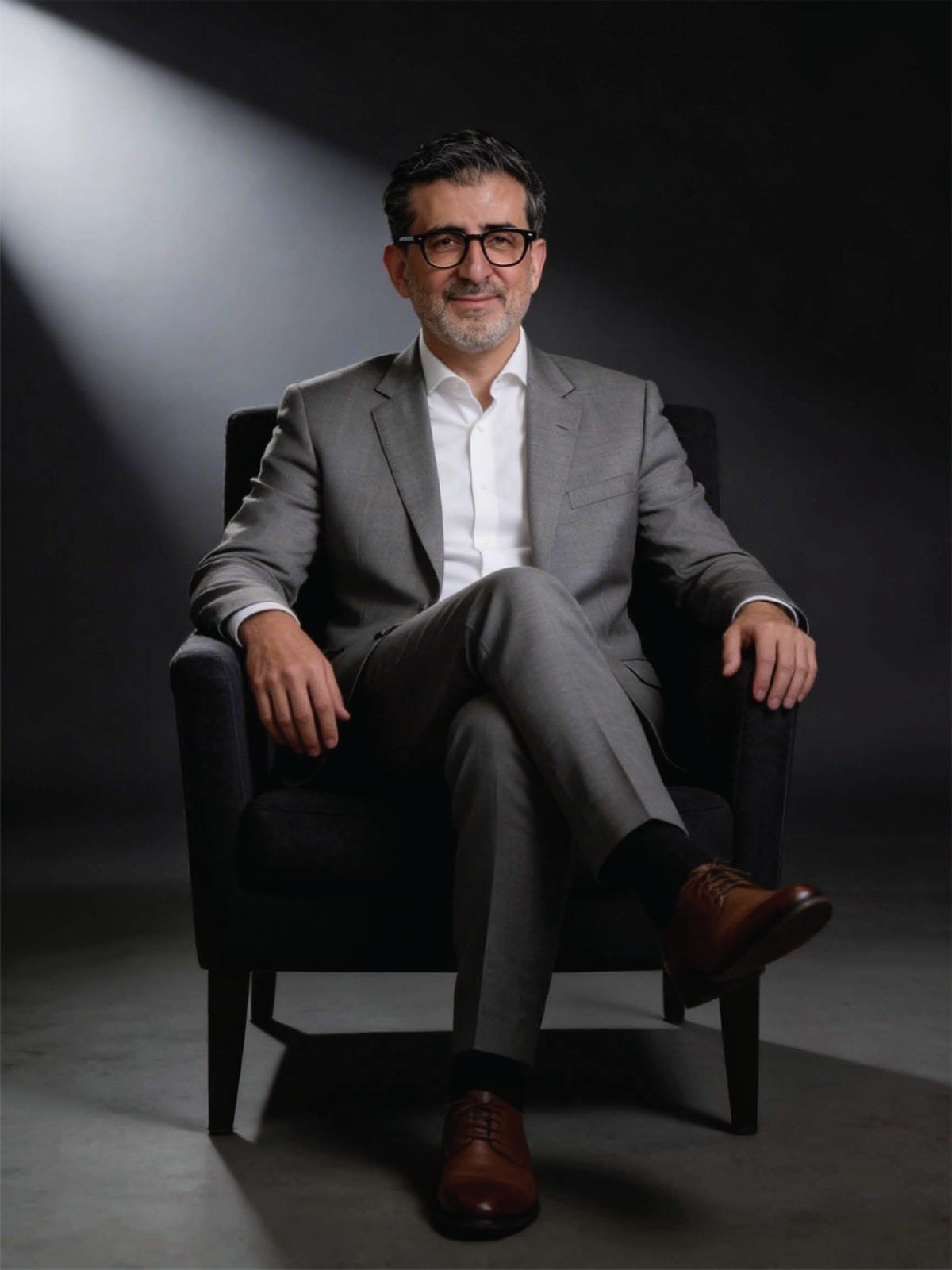
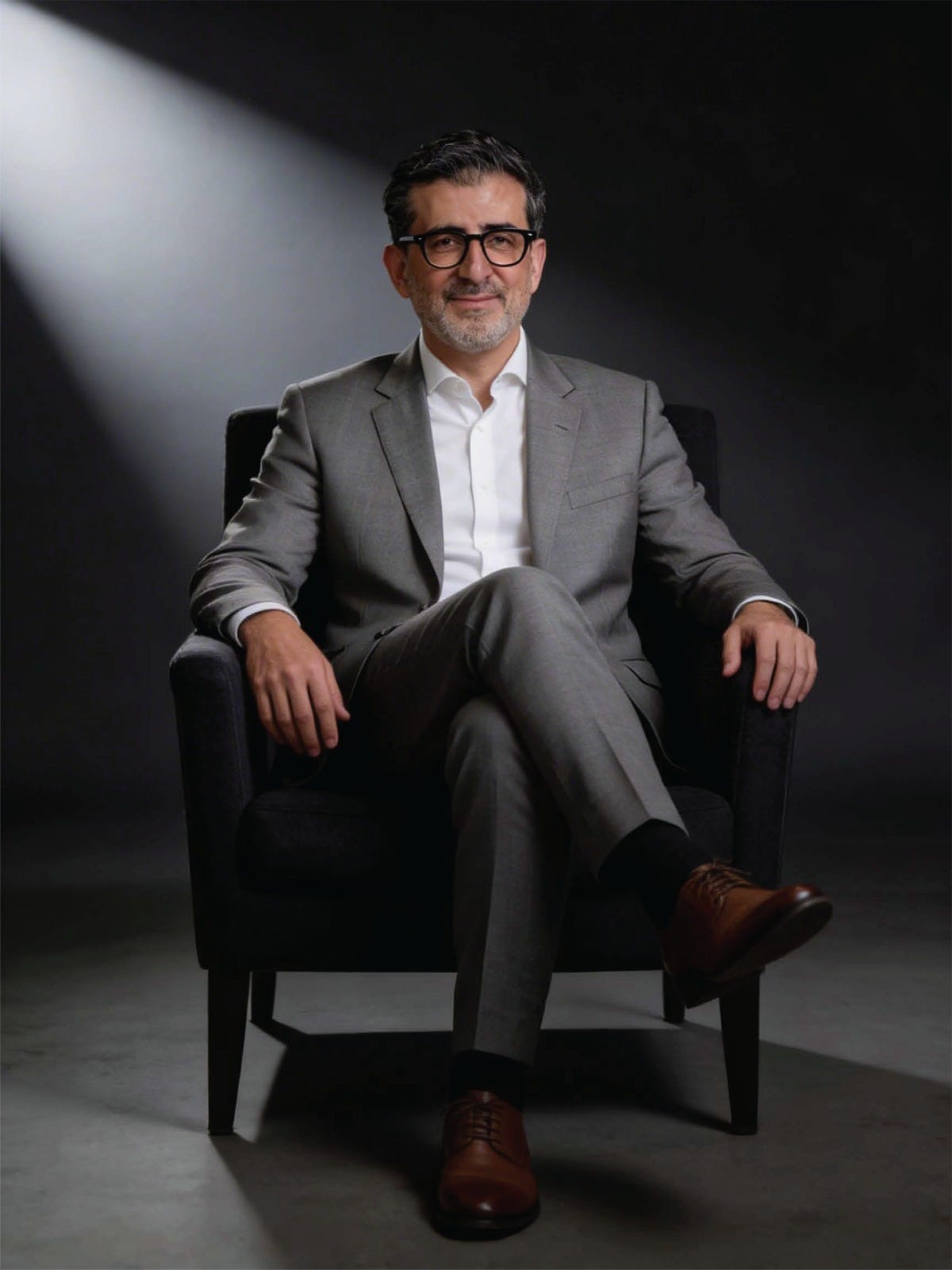
Investment entrepreneur Choucair described the scene of a Tesla Robotaxi moving quietly through Texas streets, amid an urban environment combining conventional vehicles and accelerating technology, as a clear indication of the future of global transportation, reflecting the world’s transition to a new phase led by AI in the transportation sector.
He noted the expansion of Robotaxi service in Dallas and Houston was not merely a technical development, but an announcement of a large-scale practical test of a self-driving future, despite the operational challenges that accompanied it.
He added media reports had clarified the experience remains in its experimental phase, with long waiting periods and the system’s operational maturity not yet complete as expected.
Tesla Robotaxi in Texas, Between Technical Ambition and Operational Complexities
Choucair explained Tesla’s expansion into the Robotaxi market is an additional step in the company’s path toward strengthening AI reliance within its future business model.
He stated he noticed, based on what appeared in reports, that the practical experience in Texas revealed a clear gap between technical ambition and operational reality, whether at the infrastructure level, operational efficiency, or system readiness for expansion.
He affirmed continued investment in this sector reflects market conviction that smart transportation is no longer a future idea, but a coming structural transformation in the global economy.
AI Reshaping the Transportation Sector in 2026
Choucair noted global markets in 2026 entered a clear acceleration phase toward AI as the driving force reshaping transportation, energy, and logistics service sectors.
He explained the self-driving vehicle sector has become one of the most important global competition arenas between major companies, due to its capacity to create entirely new economic models.
Vision 2030 and Smart Mobility Opportunities in the Kingdom
Choucair affirmed Saudi Arabia adopted within Vision 2030’s framework a clear strategic orientation toward the innovation and advanced technology-based economy, with smart mobility being one of its most important axes.
He noted the Kingdom has already begun implementing initial self-driving vehicle projects and experiments in Riyadh, alongside major projects such as NEOM which he considered a living laboratory for the future of smart cities.
He explained this orientation was capable of creating wide investment opportunities in AI, data analytics, and smart transport infrastructure, strengthening the Kingdom’s position as a regional future technology hub in the Gulf region.
Investment Opportunities in Smart Mobility
Choucair identified key investment opportunities: investing in self-driving technologies and AI; developing smart city infrastructure and advanced transportation systems; supporting international partnerships in the electric vehicle sector; and investing in startups in future transportation solutions.
He concluded by affirming what is happening in Texas was not merely a local experiment, but a signal of a global transformation led by AI and autonomous systems, stating: “The future is no longer waiting, but is being manufactured in the present. Those who understand its directions early are those who will determine their position in the coming global economy.”