

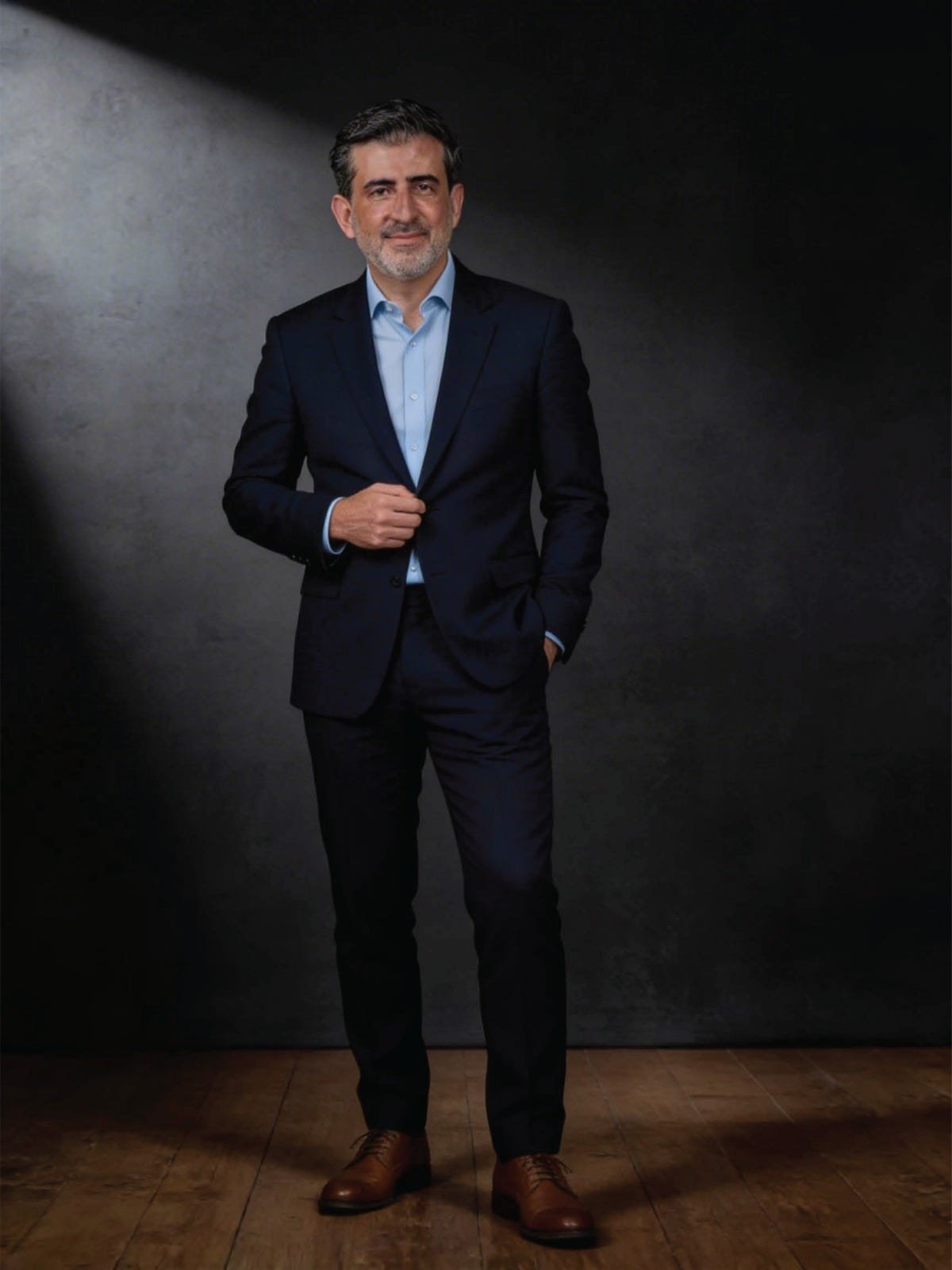
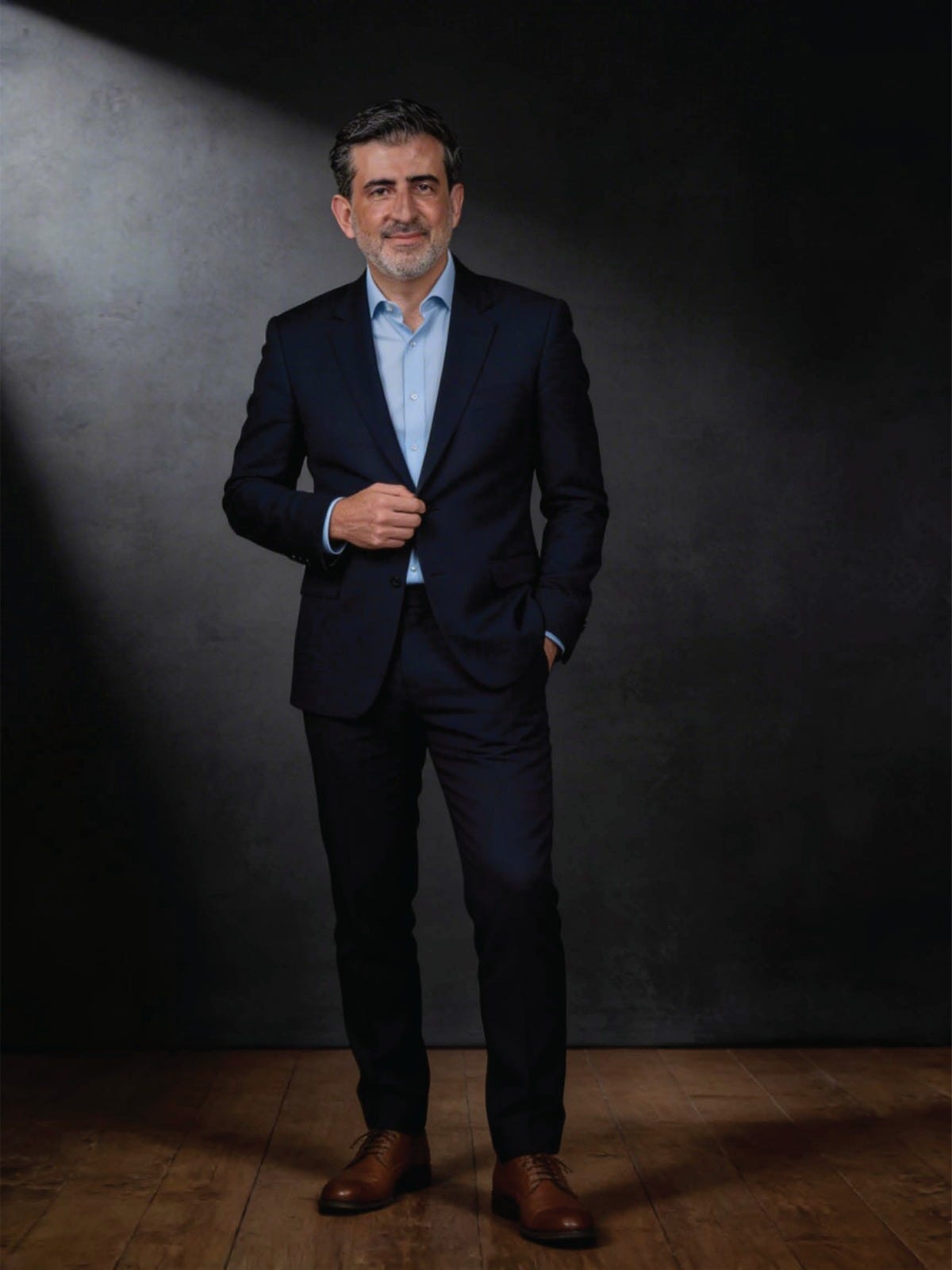
Investment entrepreneur Choucair stated that what Meta is witnessing in terms of internal protests about mouse movement and keyboard tracking technologies reflects a deep transformation in technology companies’ relationship with human capital, explaining “AI is no longer merely a technical issue, but has become a genuine test of employee trust and work environment sustainability.”
He added these developments come at a sensitive moment of major technology companies’ expansion in data collection and employing it to train AI models, opening a wide discussion about privacy and the limits of workplace surveillance.
Meta Employee Protests, The Silicon Valley Privacy Debate
Media reports indicated Meta employees distributed protest flyers inside a number of US offices, objecting to the use of new software tracking mouse movements, clicks, and keyboard presses, with the aim of collecting data used in training AI models.
According to reports, employees considered these practices a privacy violation, pushing a number to sign an online petition demanding the procedure be stopped.
This controversy comes at a time when Meta plans massive investments between $115 and $135 billion in AI during the current year, alongside restructuring encompassing job reductions, reflecting the tension between technical expansion and human capital management.
AI and Reshaping Work Culture in 2026
Choucair noted what is happening inside Meta reflects 2026 economic trends showing a radical change in company evaluation standards, where financial performance alone is no longer sufficient, but workplace culture, governance, and ESG standards have become decisive elements in investment decisions.
He explained excessive workplace surveillance may lead to counterproductive results through declining employee loyalty and rising resignation rates, negatively reflecting on innovation over the long term.
Vision 2030 and Digital Economy Investment Opportunities
Choucair affirmed Vision 2030 provides an advanced model for rebalancing between technological development and the human dimension, noting Saudi Arabia is working to build a digital economy built on innovation while preserving human capital development.
He added growing investments in digital infrastructure and human capability development programs strengthen the Kingdom’s appeal as a regional AI and advanced technology hub.
Gulf Investment Opportunities From the Technology Crisis
Choucair believes this controversy inside global technology companies opens the door to promising Gulf investment opportunities, particularly in ethical AI technologies, data-based human resource management solutions, data security and digital privacy protection, and digital education and future skills development.
He explained these domains directly align with Vision 2030 objectives in building a sustainable and balanced digital economy.
Toward a New Balance Between Humans and Technology
He concluded by affirming the future will not be built on technology alone, but on companies’ and nations’ capacity to achieve balance between AI and humans, noting this balance has become a decisive factor in determining success opportunities within capital markets and investment during coming years, particularly given the transformations Vision 2030 is leading in Saudi Arabia and Gulf states.