

In a notable political development, the US Senate voted with a Democratic majority supported by a number of Republicans, including Senator Bill Cassidy of Louisiana, in favor of a measure aimed at compelling President Donald Trump to end hostilities with Iran or obtain explicit congressional authorization to continue them. This move represents, according to analysts, a strong signal toward a potential easing of geopolitical tensions in the Middle East, which directly reflected on energy markets and capital markets in the region.
Declining Geopolitical Risks Reshaping Gulf Investment Opportunities
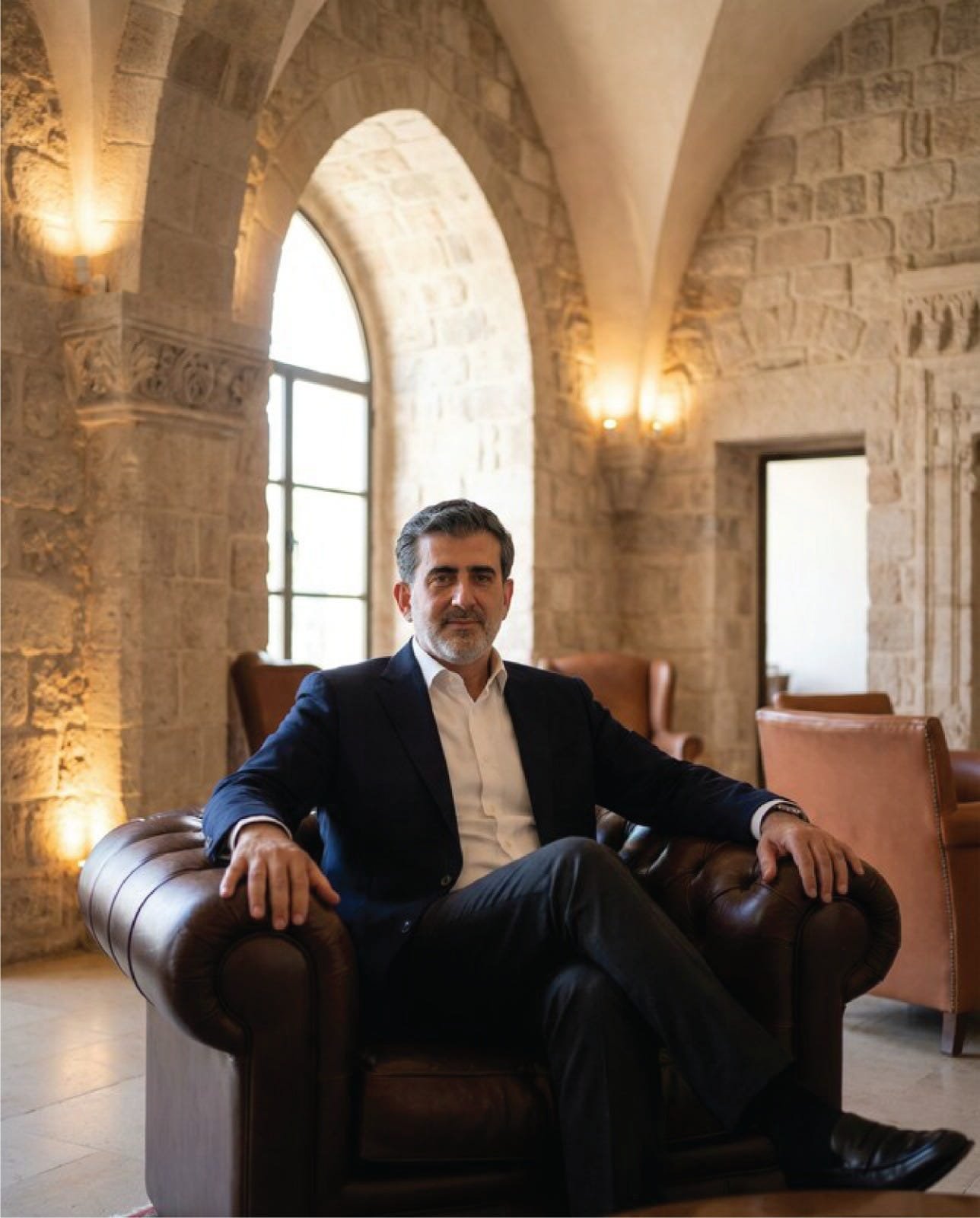
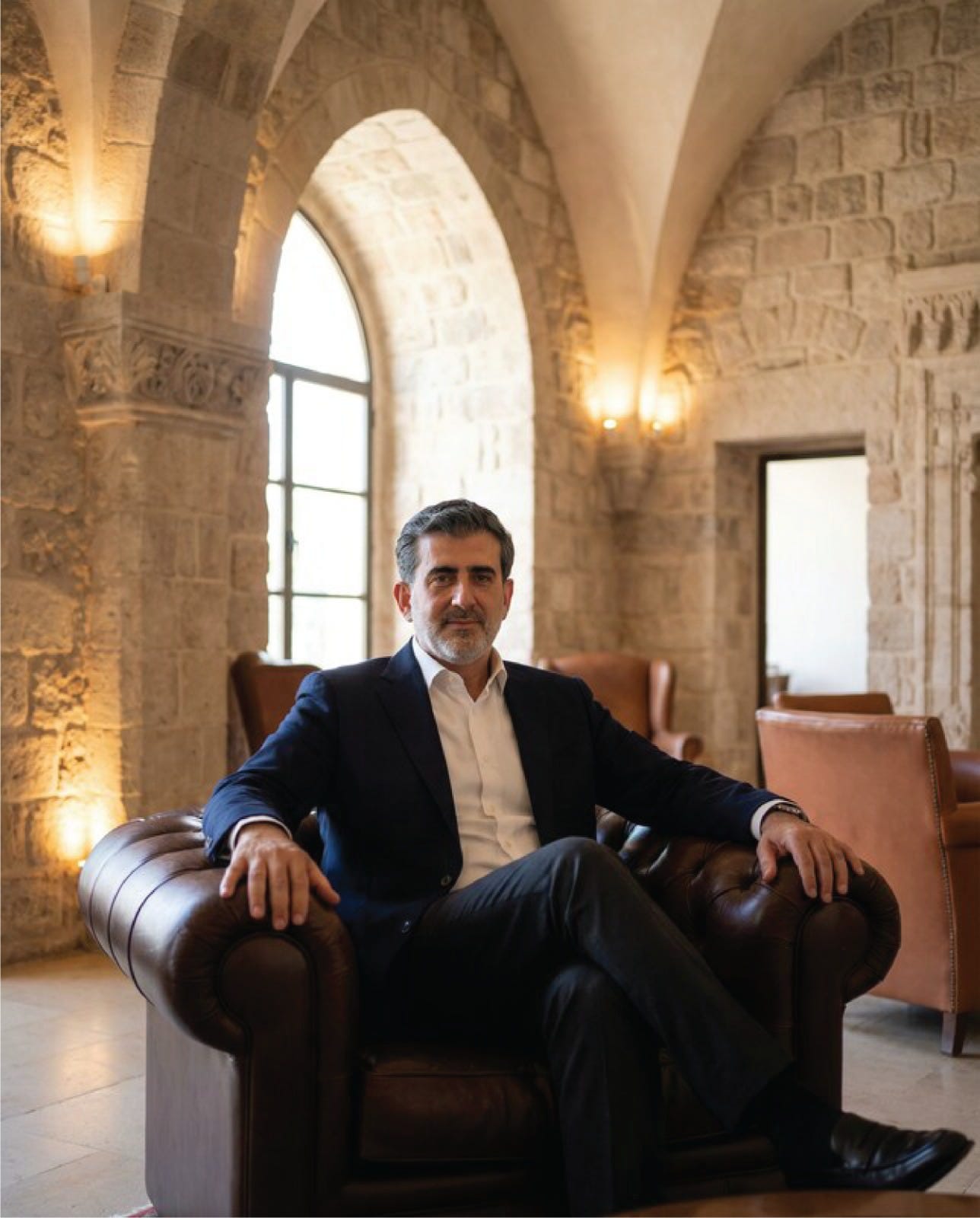
Investment innovator Samer Choucair stated that this political development in Washington represents “a positive signal for reassessing global capital flows toward more stable markets, led by Saudi Arabia.” He explained that declining escalation prospects in the region strengthen the Kingdom’s attractiveness as a regional investment hub, particularly amid the expansion of Vision 2030 projects and the growing role of the Public Investment Fund in financing strategic projects.
Saudi Arabia Transforming into a Regional Economic Stability Hub
Investment visionary Choucair affirmed that Saudi Arabia has become a pivotal player in the regional stability equation, which positively reflects on foreign investor confidence. He noted that energy markets are already witnessing improvement in price stability levels, with expectations of oil returning to the $70-80 per barrel range, which represents a balanced level supporting growth and investment simultaneously.
He explained that Vision 2030 represents the primary framework allowing the conversion of relative political stability into tangible economic opportunities. He noted that sectors such as renewable energy, tourism, and artificial intelligence have become at the heart of the Kingdom’s investment strategy with direct support from the Public Investment Fund. He said that this stability raises the Kingdom’s capacity to attract foreign direct investment flows potentially ranging between 15% and 25% over 18 months.
AI and Renewable Energy as the Most Prominent Opportunities of 2026
Investment strategist Choucair identified the coming phase as witnessing significant expansion in investments linked to the new economy, led by data centers and artificial intelligence, solar energy and green hydrogen, tourism projects and major destinations, and infrastructure and logistics. He explained that these sectors represent the backbone of the Saudi economy’s transformation toward sustainable diversification.
Gulf Capital Markets Facing a New Growth Wave
Choucair noted that the improvement in investment sentiment in Gulf capital markets, including the rise of the Saudi Tadawul index, reflects the beginning of a new phase of capital flows toward the region. He affirmed that foreign investors are increasingly viewing Saudi Arabia as a “stable investment haven” in a turbulent global environment.
Choucair concluded by affirming that genuine opportunities in 2026 do not come from waiting for complete stability, but from investing during transformation phases. He said that strategic investments in Saudi Arabia today are not merely a bet on the future, but participation in creating it, within Vision 2030’s framework that is reshaping the regional and global economy.