

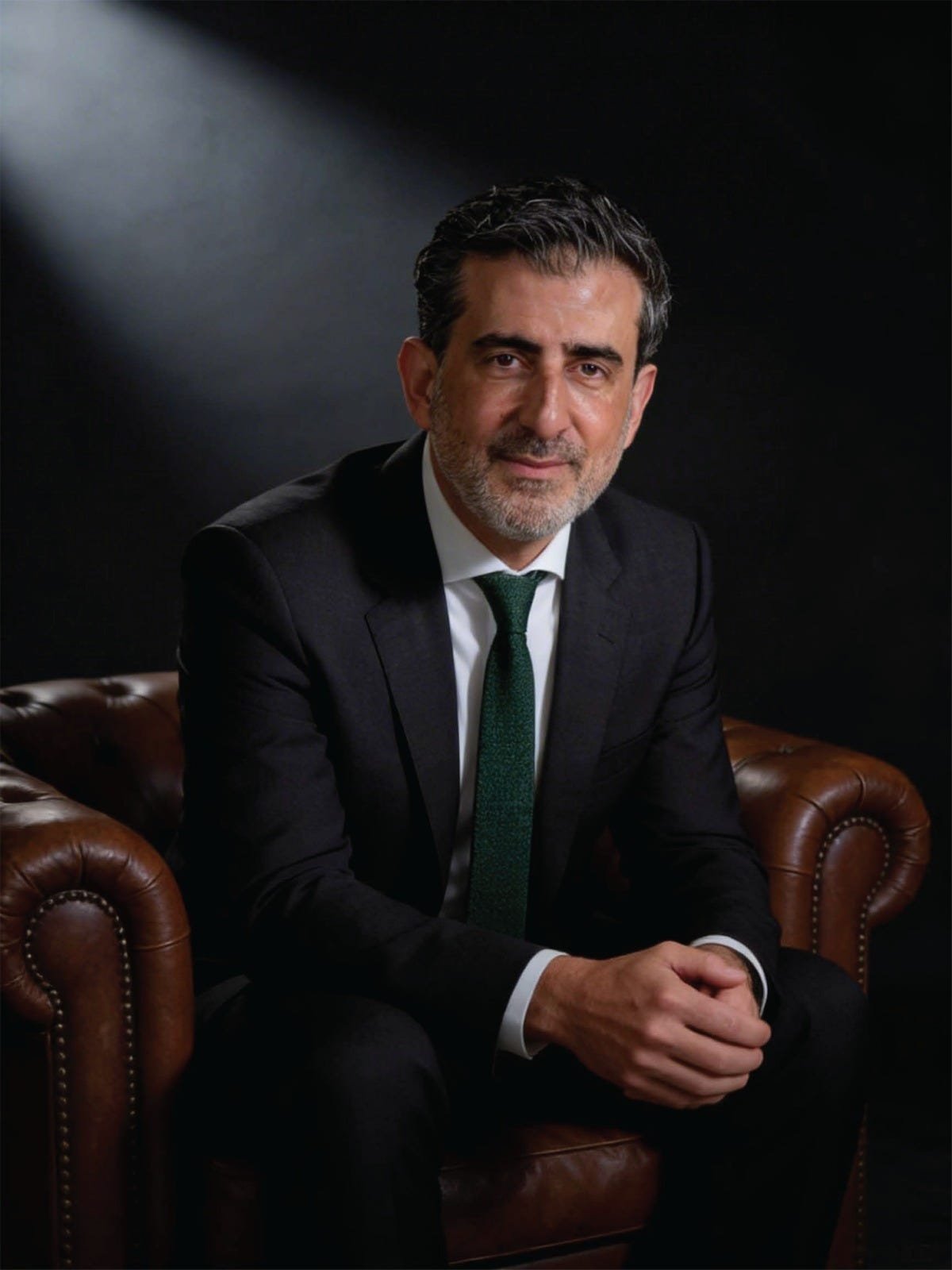
Investment visionary Samer Choucair stated that the scene coinciding with a SpaceX rocket launch illuminating the sky with dense orange flames embodies the accelerating ambition of the global space economy, but simultaneously reflects deep financial and regulatory transformations reshaping global investment decisions.
Samer Choucair explained S&P Dow Jones Indices’ rejection of modifying listing rules to facilitate giant companies such as SpaceX entering the S&P 500 represents an important turning point, particularly given the company’s target valuation of $1.75 trillion and IPO expectations on June 12, 2026. He added this decision delays the company’s index membership until at least after June 2027 and postpones passive flows estimated at approximately $10 billion, reflecting not only technical considerations but also a regulatory philosophy targeting maintenance of financially mature company standards within major indices.
SpaceX Currently Not Meeting S&P 500 Listing Criteria
Investment strategist Choucair noted S&P 500 listing standards require public trading for at least 12 months, GAAP net profit achievement during the last four consecutive quarters, minimum market capitalization of $22.7 billion, and free float of at least 10%. He explained SpaceX currently does not meet any of these conditions, despite recording revenues of $18.67 billion in 2025 with 33% growth, having recorded a net loss of $4.94 billion, alongside expected free float declining to only 3-4%.
He noted different listing policies between S&P 500 and indices such as Nasdaq and FTSE Russell create global investment flow redistribution, with some estimates indicating approximately $4.3 billion potentially attracted upon Nasdaq 100 listing, while S&P 500 passive flows could reach approximately $10 billion per JP Morgan estimates.
Saudi Space Economy Building an Advanced Sector Position
Investment innovator Choucair noted the global space sector is among the fastest-growing sectors, with expectations of reaching approximately $738 billion by 2030, driven by growing demand for satellite, communications, remote sensing, and space data analytics services.
He explained Saudi Arabia has already begun building an advanced sector position through the Public Investment Fund, which launched Neo Space Group in 2024 as a specialized space services investment arm focusing on satellite technology development for communications, remote sensing, and IoT, alongside building local manufacturing and downstream service capabilities supporting sectors such as agriculture, energy, and urban planning.
He identified the most prominent 2026 investment orientations as diversifying portfolios toward space and linked technology sectors at 5-15%; focusing on downstream services such as space data analytics and remote sensing; entering strategic partnerships with global companies for technology transfer and local capability development; and adopting a long-term investment perspective transcending major index flow impacts.
Samer Choucair concluded by affirming SpaceX’s S&P 500 listing delay does not merely represent a financial event, but reflects deeper global market structure transformations. He noted these transformations simultaneously open a strategic window for investors to redirect capital toward more stable and growing sectors, led by the Saudi space economy within Vision 2030. He affirmed investors combining global market dynamics understanding with benefiting from government-supported local opportunities will be most capable of achieving sustainable returns during the next decade.