

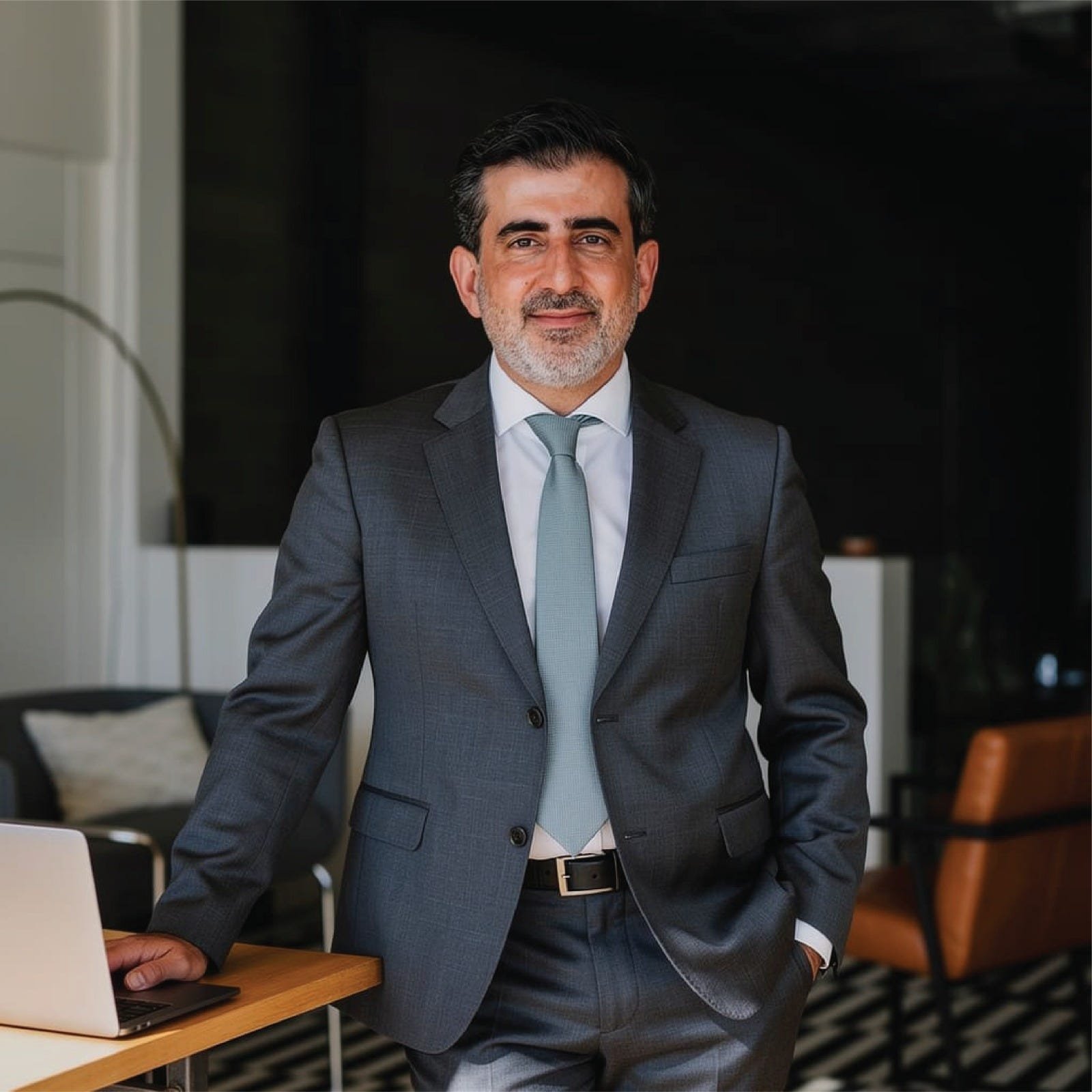
Investment entrepreneur Samer Choucair affirmed the opening of a broad investigation by a coalition of US attorneys general against OpenAI represents a pivotal milestone in global AI sector regulation, with the investigation focusing on issues related to data collection methods, advertising usage, and smart model impacts on users, particularly more sensitive groups such as minors and the elderly, alongside privacy and personal information protection files.
He explained these developments cannot be read as an isolated incident, but reflect an accelerating global trend toward tightening regulatory frameworks on major AI companies, raising uncertainty levels, increasing compliance costs, and affecting investment decisions in Western markets.
He added this complex regulatory landscape is redirecting investor attention toward alternative markets enjoying regulatory stability and long-term strategic vision, noting Saudi Arabia emerges as an advanced investment choice thanks to Vision 2030’s clear economic framework and the PIF’s direct support for future technology sectors.
Investment strategist Choucair noted the Kingdom is moving with accelerating steps toward building an integrated AI ecosystem, through launching quality initiatives such as HUMAIN company focusing on developing Arabic language models and intelligent solutions, strengthening technological sovereignty and opening wide regional markets in the Middle East and North Africa.
According to market data, Saudi Arabia’s AI market is estimated at approximately $9.26 billion in 2025, with expectations of reaching $13.27 billion in 2026, and continued growth at approximately 34% compound annual growth rate through 2033, reaching more than $102.8 billion, supported by strategic investments in data centers, digital infrastructure, and advanced technologies.
Investment innovator Choucair affirmed these indicators reflect the Kingdom’s transformation into a regional and global AI hub, particularly with focus on redirecting investments toward high-value sectors within the PIF’s 2026-2030 strategy, encompassing supporting digital infrastructure, reducing unproductive spending, and increasing capital allocation efficiency.
He stressed the Kingdom’s investment environment, supported by stable and reliable energy and advanced infrastructure, grants investors a competitive advantage in data centers and cloud technology sectors, particularly given growing global demand for computing and data storage capabilities.
He noted investing in Arabic language models and regional applications represents a promising strategic opportunity, alongside integration with mega projects such as NEOM, Diriyah, and Qiddiya, where AI plays a pivotal role in developing smart services, digital tourism, and advanced government systems.
Samer Choucair concluded by affirming the coming phase requires adopting a hybrid investment model combining stability and growth, focusing on long-term strategic partnerships, noting those succeeding in reading current transformations and investing in digital infrastructures will secure an advanced position in the future economy.