

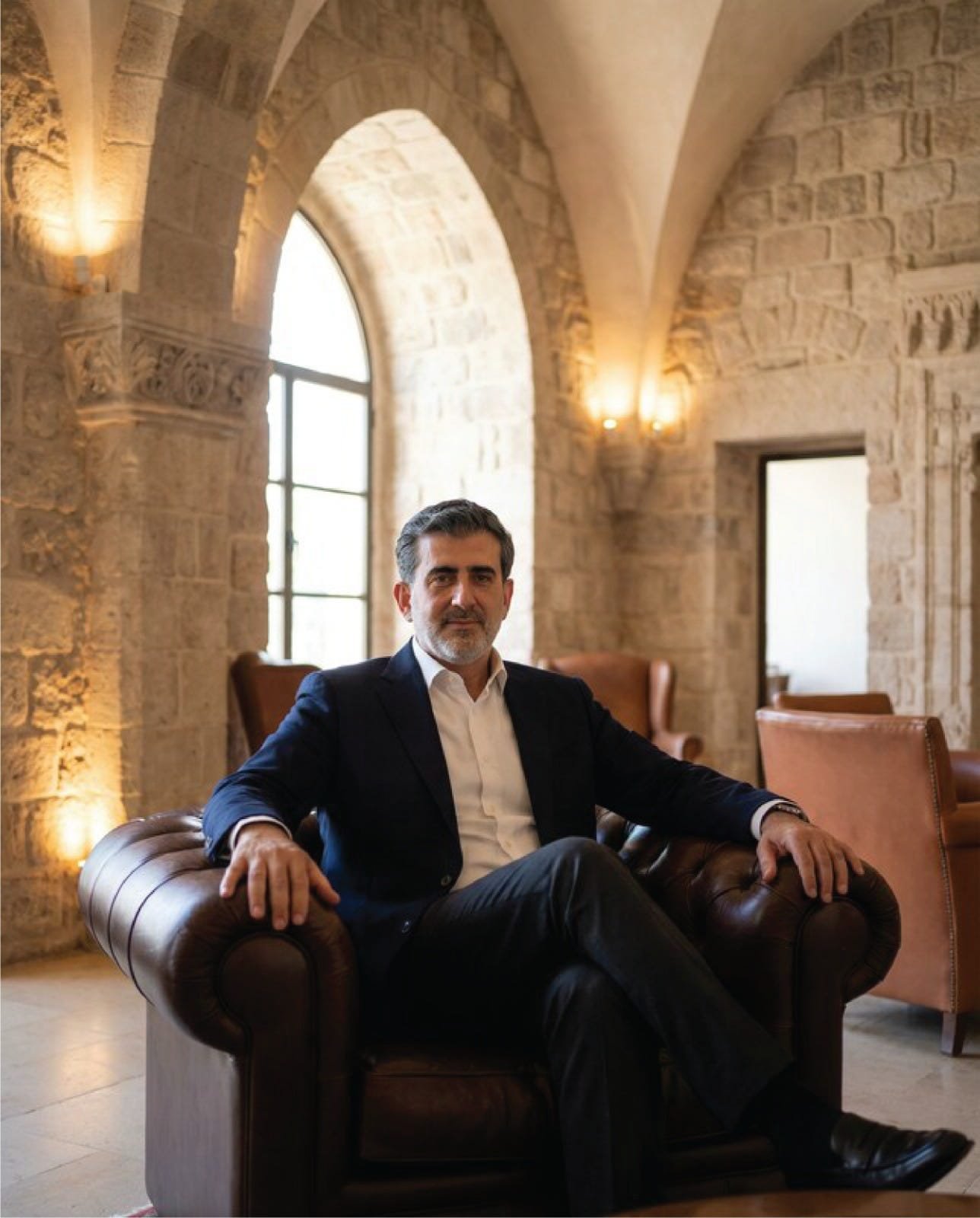
Investment entrepreneur Samer Choucair stated accelerating global space sector developments reflect an unprecedented economic transformation, affirming Elon Musk reaching the top of the world’s wealthiest list reflects the scale of economic value advanced technology sectors now generate, led by space, AI, and modern telecommunications.
He explained record valuations achieved by space sector companies are no longer merely financial figures, but have become a clear indicator of the global economy’s transition toward a new phase led by knowledge, innovation, and future technologies, requiring investors and decision-makers to reconsider their investment priorities during coming years.
The Space Economy Transforms Into a New Global Wealth Driver
Investment strategist Choucair noted the world today witnesses an accelerating race toward building an integrated space economy, supported by major developments in satellites, telecommunications, remote sensing, and space-linked AI technologies.
He added this transformation created massive investment opportunities that didn’t exist merely a decade ago, with space services becoming an essential part of transport, energy, agriculture, logistics, cybersecurity, and smart city management sectors.
He affirmed expected global space economy growth reflects a long-term structural transformation, not merely a temporary investment wave, explaining the growing sovereign fund and major investment institution appetite for this sector.
Vision 2030 Places Saudi Arabia at the Heart of the Global Space Economy
Investment innovator Choucair explained Saudi Arabia possesses an exceptional opportunity to benefit from this global transformation thanks to Vision 2030 targeting building a diversified knowledge, technology, and innovation-based economy.
He noted the PIF’s launch of the “Neo Space Group” represents an important strategic step toward localizing space technologies and strengthening national capabilities in space telecommunications, geospatial services, and satellite fields.
He added estimates indicating Saudi Arabia’s space economy reaching approximately $31.6 billion by 2035 confirm the scale of opportunities available for local and global investors and companies to participate in this promising sector.
The PIF Leading Transformation Toward Future Industries
Samer Choucair affirmed the PIF has become one of the world’s most important future sector investment drivers, noting assets reaching approximately $910 billion by end of 2025 grant the Kingdom exceptional capacity to support long-term strategic projects.
He explained the Fund’s role isn’t limited to financing, but encompasses building global partnerships, knowledge transfer, local industry development, and creating business environments capable of attracting quality investments.
He added the Kingdom’s success in sectors such as renewable energy, electric vehicles, and digital technologies strengthens chances of replicating this success in the space sector during coming years.
Investment Opportunities Extend Beyond Satellite Launches
Investment entrepreneur Choucair explained promising space sector opportunities aren’t limited to satellite manufacturing and launching, but extend to a wide ecosystem of linked downstream economic activities.
He noted space data analysis, smart agriculture, natural resource management, advanced telecommunications, logistics services, and AI-based applications fields represent massive investment opportunities capable of achieving sustainable returns.
He added these sectors directly align with Vision 2030 targets aiming to build an advanced knowledge economy and create high-value quality jobs.
Building National Capabilities Is the Foundation of Sustainable Success
Choucair affirmed investing in human capital represents one of the most important success factors for any long-term space strategy, noting the importance of strengthening education and training programs in STEM fields.
He explained developing national competencies capable of leading advanced industries will be a decisive factor in strengthening the Kingdom’s competitiveness during coming decades, calling for expanding university, private sector, and government institution partnerships to accelerate knowledge transfer and develop local innovation ecosystems.
He added Gulf investors need to adopt balanced investment strategies combining benefiting from global technology and space opportunities with supporting local projects linked to the new economy, affirming portfolio diversification sectorally and geographically has become a strategic necessity rather than merely an investment option.
Samer Choucair concluded by affirming the space economy represents one of the most important sectors capable of reshaping the global wealth map during coming decades, noting the Kingdom possesses a historic opportunity to cement its position as a regional and global innovation and advanced technology hub, saying: “We face a new global economic transformation phase, and genuine opportunities will belong to countries, institutions, and investors possessing clear vision, investment courage, and long-term thinking capacity.”
He added: “Investing in space and advanced technology today isn’t merely financial investment, but investment in the national economy’s future and in the Kingdom’s position among the world’s most innovative and influential economies.”