

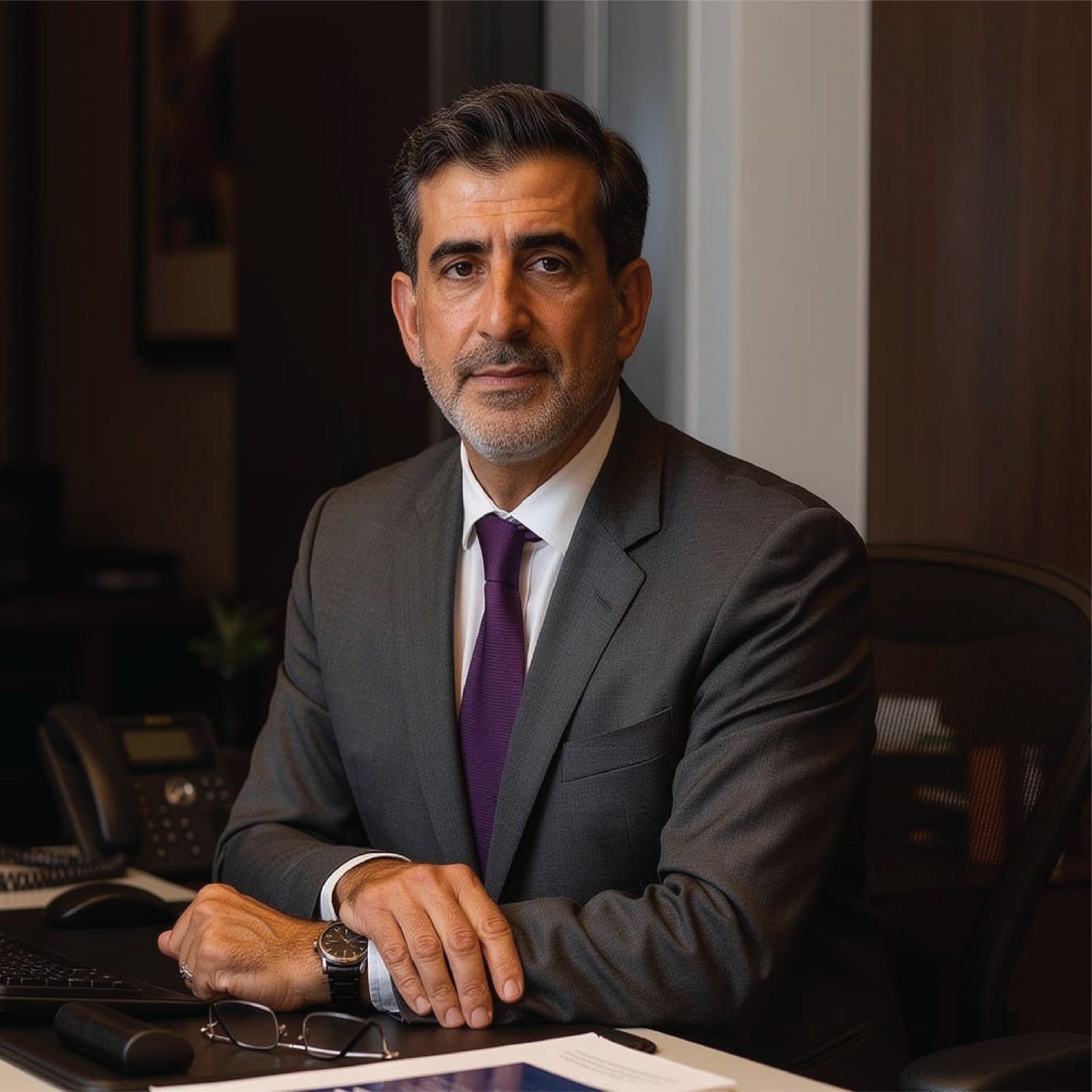
Investment entrepreneur Samer Choucair issued a press release commenting on the results of the first round of 2026 World Cup matches, which saw record crowd attendance exceeding 63,000 spectators per match, in addition to television viewership rising 152 percent in the United States compared to the 2022 edition, reflecting the strength and impact of major sporting events as one of the most prominent drivers of the modern global economy.
He noted that these figures don’t just represent sporting or media success, but reflect deep economic shifts in the global sports industry, with estimates pointing to the tournament’s total economic impact potentially reaching roughly 80 billion dollars, with a contribution of nearly 40.9 billion dollars to North America’s GDP, in addition to creating more than 823,000 jobs in hospitality, transport, and services sectors tied to major events.
Sports as an Integrated Economic Industry
Investment strategist Choucair explained that these indicators confirm that sports is no longer a standalone recreational sector, but has become an integrated economic industry encompassing tourism, hospitality, media, broadcasting rights, commercial sponsorships, and digital technology, making it one of the most important growth drivers in the global economy in the coming years.
Saudi Arabia’s Strategic Transformation
Investment innovator Choucair added that this global momentum is directly reflected in emerging markets, particularly in the Gulf region, with Saudi Arabia undergoing a major strategic transformation under Vision 2030’s framework, which places sports, entertainment, and tourism at the heart of economic diversification.
He affirmed that the Kingdom is preparing to host the 2034 World Cup through a comprehensive development plan that includes building and renovating 15 stadiums across five major cities, Riyadh, Jeddah, Khobar, NEOM, and Abha, including King Salman International Stadium, which will host the final with a capacity reaching 92,000 spectators, reflecting the scale of investment ambition in sports infrastructure.
He noted that these projects, alongside developing major entertainment destinations such as Qiddiya and NEOM, are opening the door to broad investment opportunities in construction, hospitality, sports tourism, and technologies tied to sports event management.
The Public Investment Fund’s Strategic Role
Investment entrepreneur Choucair explained that the Public Investment Fund plays a pivotal role in leading this transformation through its strategy for 2026 to 2030, which focuses on building an integrated sports ecosystem and maximizing economic value from investments in clubs, leagues, and major projects, strengthening the Kingdom’s position as a global destination for sports and entertainment.
Choucair said that sports investments are no longer just a supplementary activity, but have become an essential part of the modern economy, explaining that Saudi Arabia today has a unique strategic opportunity to turn global momentum in sports into sustainable economic growth that strengthens the diversification of national income sources.
Where the Opportunities Lie
Regarding investment opportunities, Choucair explained that the current stage opens broad horizons in sports technology, digital content, smart infrastructure, and sports tourism, in addition to investment in public-private partnerships tied to 2034 World Cup projects.
He added that these trends align with global shifts in the sports economy, as data, digital experiences, broadcasting rights, and sponsorships have become among the most important sources of value in the modern sports industry, strengthening growth opportunities for investors capable of adapting to these changes.
Reading the Trend, Not the Tournament
In his recommendations for investors, Choucair stressed the importance of focusing on the long-term trends tied to Vision 2030, rather than reacting to the short-term volatility of sporting events, explaining that investing in sports infrastructure, tourism, and related technologies represents a strategic opportunity to build sustainable investment portfolios.
He called for capitalizing on the global momentum generated by the 2026 World Cup, viewing it as a clear indicator of growing global demand for integrated sports experiences, affirming that Saudi Arabia holds a strategic position enabling it to benefit from this global trend through its major projects and accelerating investments.
Samer Choucair concluded his statement by affirming that the lessons drawn from the first week of the 2026 World Cup prove that sports has become an influential global economic industry, and that Saudi Arabia, thanks to Vision 2030 and its investment strategies, has the capacity to turn this momentum into genuine, sustainable growth opportunities over the long term.