

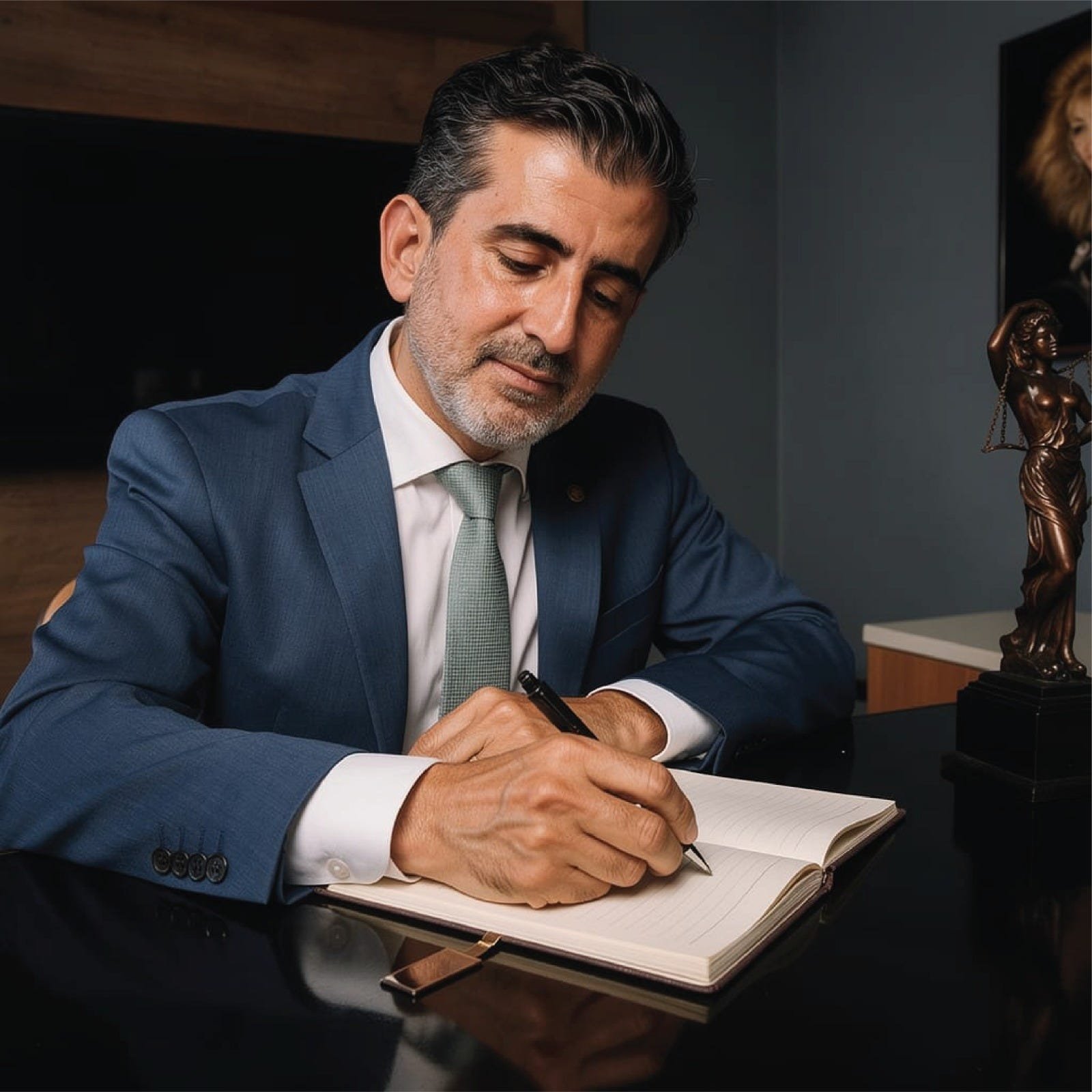
Investment entrepreneur Samer Choucair said that the controversy recently sparked over Lululemon’s event in China offered a practical model for how cultural details can influence the success or failure of global brands’ expansion strategies.
He explained that the company, specializing in athletic wear and yoga apparel, organized a massive promotional event at the Great Wall of China on May 30, 2026, with more than 2,000 participants alongside well-known Chinese actor Zhu Yilong, but the event turned into a widespread crisis after the use of a drum resembling traditional Japanese “taiko” drums instead of Chinese drums.
He added that the incident sparked angry reactions on Chinese social media platforms, with views exceeding 50 million, prompting the company to issue a formal apology and remove all promotional materials tied to the event.
Choucair affirmed that what happened wasn’t just a passing marketing error, but represented an important strategic lesson for any company or investor seeking to expand into markets with particular cultural and historical sensitivities, saying that the experience proved success in emerging markets isn’t tied only to product quality or investment size, but to the ability to understand local culture, adapt to it, and genuinely contribute to achieving national goals. Today, Saudi Arabia presents an ideal model for investors who understand this equation.
Investment Lessons From the Lululemon Crisis
Samer Choucair noted that Lululemon’s event aimed to celebrate Chinese culture and promote concepts of wellness and health, but the mistake in choosing a particular cultural symbol led to a backlash due to national sensitivity and historical tensions tied to this type of symbol.
He explained that the company quickly issued a formal apology acknowledging “a gap in professional knowledge,” and committed to applying stricter review mechanisms for future content and activities.
He added that this incident once again confirmed that successful international expansion requires strong local partnerships, careful cultural research, and a deep understanding of the nature of target communities, which applies directly to investors looking to enter Gulf or Asian markets.
Saudi Arabia’s Fitness Market, Accelerating Growth and Promising Opportunities
Samer Choucair explained that Saudi Arabia is experiencing an unprecedented boom in the fitness and wellness sector, driven by broad economic and social reforms under Vision 2030’s targets.
He noted that the value of the Kingdom’s health and fitness club market reached roughly 1.74 billion dollars during 2026, with expectations of a compound annual growth rate reaching 11.53%, bringing the market size to roughly 3.01 billion dollars by 2031.
He added that the global wellness economy recorded a value of 6.8 trillion dollars during 2024, with projections pointing to it rising to 9.8 trillion dollars by 2029.
He pointed out that the Kingdom’s Vision 2030 aims to raise the rate of physical activity to 40% of the total population by 2030, compared to much lower levels in previous years, as part of efforts to enhance quality of life and reduce chronic disease.
He affirmed that these indicators reflect a genuine structural shift supported by advanced regulatory reforms and growing facilitation for the private sector, in addition to massive investment in sports and tourism infrastructure.
Vision 2030 Drives the Transformation in Sports and Wellness
Samer Choucair said that the sports and wellness sector has become one of the most prominent new economic drivers in the Kingdom, with many analysts now describing it as “the new oil” of the non-oil economy.
He explained that investment opportunities in this sector are highly diverse and include:
*Luxury Fitness and Wellness Centers*
Choucair noted that the Saudi market offers significant opportunities for developing upscale fitness centers and yoga and meditation studios that respect cultural privacy and local values, including providing independent women’s spaces and designs aligned with Saudi customs and traditions.
*Sports and Wellness Tourism*
He added that major national projects such as the Red Sea, Diriyah, and Qiddiya are opening broad horizons for investments tied to sports tourism, wellness, and specialized health services.
*Sports and Health Events*
He affirmed that hosting major sporting tournaments and annual health festivals represents a growing investment opportunity that supports non-oil economic growth.
*Digital Fitness and Smart Applications*
He explained that Arabic-language digital platforms and applications specialized in fitness have become among the fastest-growing sectors, particularly amid the major expansion in the use of modern technical solutions.
*Women’s Empowerment and Corporate Wellness Programs*
He noted that supporting women’s participation in sports activities, alongside the expansion of health and wellness programs within companies and institutions, offer promising investment opportunities in the coming years.
Choucair said that Vision 2030 represented a comprehensive reshaping of the Saudi economy, and the sports and wellness sector has become one of the most important pillars supporting non-oil growth, while also succeeding in attracting long-term capital seeking stability and sustainable returns.
Samer Choucair’s Recommendations for Investors Between 2026 and 2030
Samer Choucair affirmed that success in the fitness and wellness sector requires focusing on a set of core elements.
*Cultural Localization*
He explained that any project or brand seeking to enter the Saudi market must integrate local identity into its operational and marketing strategy, while avoiding the cultural mistakes some global brands have made in other markets.
*Building Strategic Partnerships*
He noted that cooperating with local partners and investors helps reduce operational risk and speeds up access to licensing and target customer segments.
*Focusing on Sustainability and Community Impact*
He added that projects tied to Vision 2030’s goals, such as improving public health and quality of life, empowering women, and developing tourism, have greater chances of securing support and funding.
*Investing in Technology*
Choucair affirmed that digital applications and hybrid models combining in-person and virtual services will be among the fastest-growing and most profitable sectors in the coming years, saying: “The investment opportunity is no longer limited to building a gym or fitness center alone, it has become about building an integrated ecosystem combining sports, tourism, technology, and entertainment, which gives Saudi Arabia an exceptional competitive advantage compared to many other markets.”
He concluded by affirming that the cultural challenges some global brands face in international markets offer important lessons for investors about the importance of understanding local communities and respecting their particularities.
He explained that Saudi Arabia today offers a mature investment environment backed by a clear economic vision and strong will to support growth and economic diversification, making the fitness and wellness sector one of the most attractive sectors for investment in the coming years.
He affirmed that investors who adopt an approach based on deep analysis, cultural understanding, and a focus on long-term opportunities will be best positioned to achieve sustainable returns and contribute to building a healthier, more active, and vibrant Saudi society within Vision 2030’s targets.