

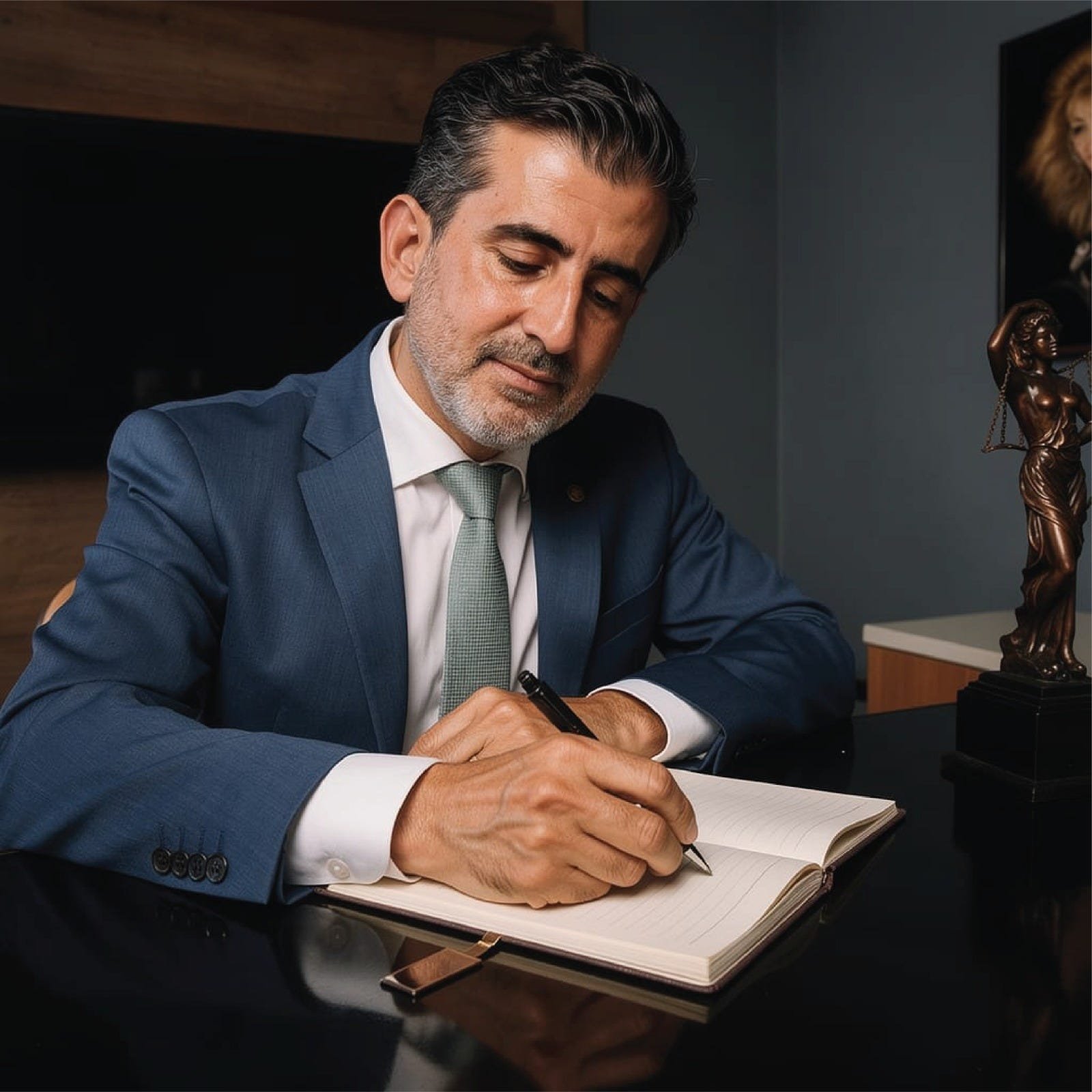
Investment entrepreneur Samer Choucair said that the major expansion in OPEC Fund for International Development financing during 2026 reflects an accelerating global shift toward investing in sustainable development, infrastructure, and clean energy, affirming that these shifts create strategic opportunities for nations and companies capable of deploying their expertise and competitive capabilities in emerging markets.
He explained that the Fund’s announcement of pumping roughly 4 billion dollars during 2026, compared to only roughly 1.5 billion dollars in 2020, reflects the scale of growth international development initiatives are experiencing and the expanding scope of their impact across more than 125 countries around the world.
He added that strengthening the Fund’s capital through capital markets and expanding its financing operations represent two important indicators of growing global demand for sustainable development projects and long-term economic solutions.
New Initiatives Strengthen Investment in Sustainability and Trade
Choucair noted that the initiatives the Fund announced represent clear signals of the sectors that will lead growth in the coming years.
He explained that the “E-Star” initiative, worth 1.5 billion dollars, targets strengthening trade and economic resilience in developing countries, while the “Green Blue Connect” initiative, worth 3 billion dollars, focuses on supporting projects tied to water, energy, and climate.
He added that establishing special facilities to strengthen island nations’ resilience in the face of climate change reflects a growing global trend toward investing in sustainable solutions and environmental risk management.
He affirmed that these initiatives shouldn’t be viewed merely as developmental financing programs, but as investment indicators drawing the contours of the markets and sectors that will see accelerating growth over the coming decade.
Vision 2030 Intersects With New Global Trends
Choucair explained that these international moves align significantly with the Kingdom’s Vision 2030 targets, which focus on diversifying the economy, strengthening sustainability, and developing future-facing sectors.
He noted that the Kingdom is no longer limited to attracting foreign investment alone, but has become an active partner in exporting knowledge, expertise, and advanced solutions in energy, water, infrastructure, and logistics services.
He added that major national projects and the Public Investment Fund have helped build an integrated economic ecosystem capable of benefiting from global shifts and creating long-term strategic partnerships.
He affirmed that the alignment between global development priorities and Vision 2030’s targets places Saudi Arabia in a distinguished position to benefit from the wave of investment tied to sustainability and the green economy.
Renewable Energy and Green Hydrogen Lead the Opportunities
Choucair noted that the renewable energy sector remains one of the most attractive areas for investors in the period ahead.
He explained that global demand for clean energy sources is experiencing accelerating growth, at a time when the Kingdom possesses strong competitive advantages in solar energy production and developing green hydrogen projects.
He added that partnerships with markets and countries benefiting from international development financing programs could open new opportunities for Saudi companies to expand regionally and globally.
Water Management and Climate Sustainability
Choucair affirmed that growing global focus on water issues and climate change opens broad investment horizons for Saudi companies.
He noted that the Kingdom has achieved major progress in desalination, water resource management, and sustainable agriculture, giving it an opportunity to export this expertise to many developing markets.
He added that new international initiatives will increase demand for innovative technologies and solutions in this sector, strengthening growth and investment opportunities in the coming years.
Logistics and Flexible Trade
Choucair explained that the logistics services and trade sector represents one of the most prominent beneficiaries of the new global development trends.
He noted that initiatives aimed at strengthening trade and supply chain resilience will create major opportunities for companies operating in transport, storage, and advanced logistics services.
He added that the Kingdom’s strategic location between three continents, alongside massive investment in ports and logistics zones, gives it a significant ability to benefit from this expected growth.
Green Technologies and Entrepreneurship
Choucair said that technologies tied to sustainability will be among the most attractive areas for capital in the coming years.
He explained that innovations in smart agriculture, sustainable cities, energy management, and resource efficiency will provide important opportunities for startups and entrepreneurs.
He added that investors focused on developing practical solutions for environmental and developmental challenges will find growing opportunities to secure funding and strategic partnerships.
Practical Strategies for Building Sustainable Wealth
Choucair noted that building wealth in the period ahead requires focusing on a set of core principles.
He explained that investments tied to sustainability, governance, and corporate responsibility have become better positioned to achieve long-term growth compared to short-term investments.
He added that building smart international partnerships and capitalizing on global financing programs can help Saudi companies expand into new markets and strengthen their competitiveness.
He affirmed the importance of investing in human talent and modern technologies as the core driver of growth in the new global economy, stressing the necessity of maintaining investment discipline and a long-term strategic vision amid accelerating economic changes.
Saudi Arabia at the Heart of the Global Sustainable Economy
He concluded his remarks by affirming that the expansion the world is seeing today in development financing programs and sustainable investments represents a historic opportunity for Saudi Arabia.
He noted that Vision 2030 has provided the right environment for benefiting from these shifts by building a diverse, globally competitive economy.
He added that investors and entrepreneurs who succeed in connecting global trends with Saudi competitive advantages will be well positioned to benefit from the growth opportunities the coming years will bring.
He affirmed that the current stage isn’t just about attracting investment, but about building partnerships and projects capable of creating sustainable economic value for future generations, aligning with the ambitious vision the Kingdom is pursuing toward a more prosperous, sustainable future.