

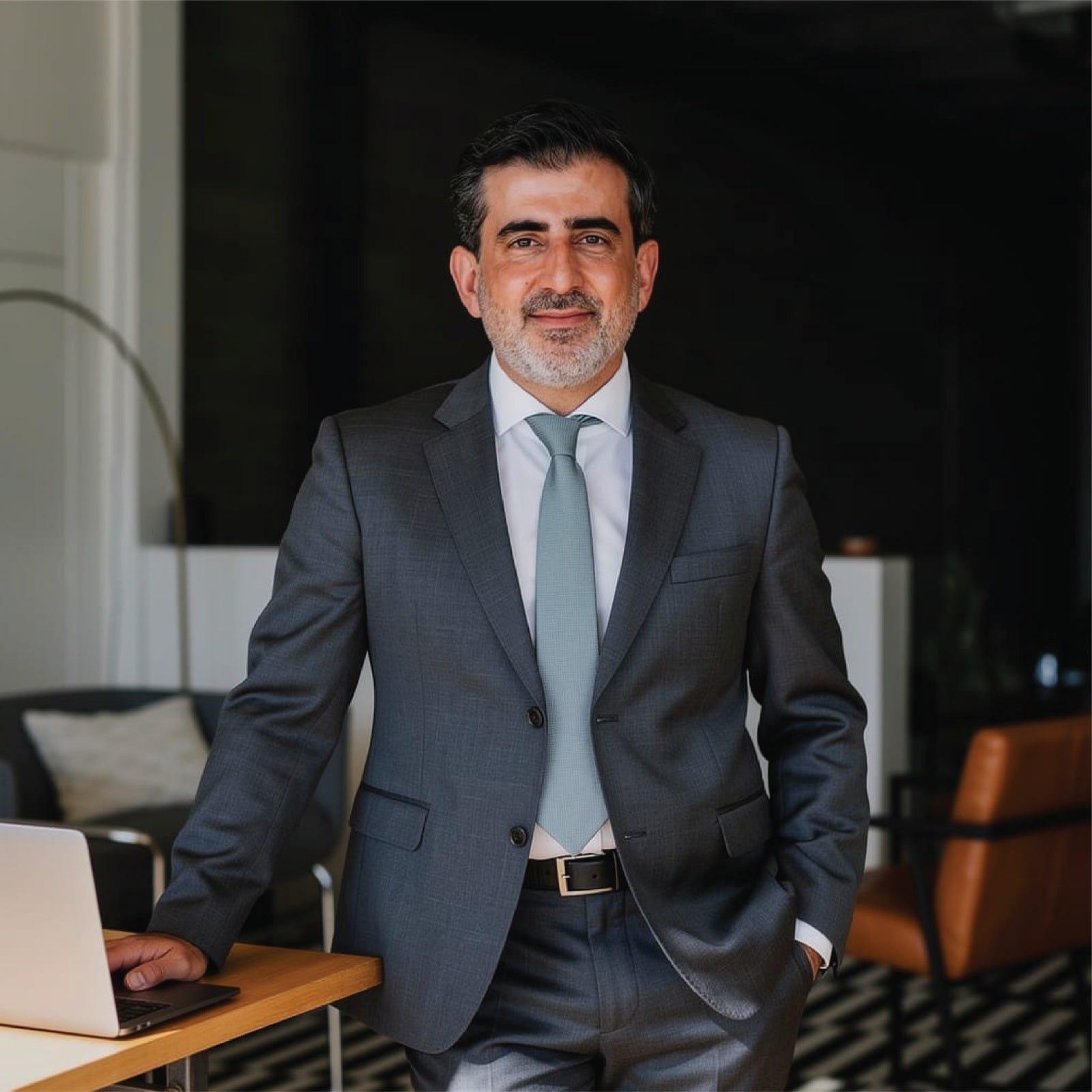
Investment leader Samer Choucair emphasized that the rapid advances in cancer immunotherapy, particularly new efforts to expand genetically engineered T-cell therapies known as CAR-T from blood cancers to solid tumors, represent a potential transformation in the biotechnology sector. These developments could reshape investment patterns and capital flows across healthcare in the coming years. However, he stressed that these technologies remain experimental and must demonstrate their safety and efficacy in clinical trials before their commercial potential can be fully assessed.
Samer Choucair explained that the investment significance of these developments stems from the enormous potential market represented by solid tumors, which account for approximately 90% of adult cancer cases. He noted that if any therapeutic platform succeeds in overcoming the biological barriers that have historically limited the use of CAR-T in solid tumors, it could dramatically expand the patient population that can benefit and reshape value chains across the pharmaceutical and biotechnology industries.
Choucair pointed out that CAR-T therapies have achieved important results in several blood cancers over the past decade, but applying them to solid tumors has presented more complex challenges. These include the lack of clear, highly selective targets on cancer-cell surfaces, the tumor microenvironment’s varying levels of immune suppression, difficulties in delivering therapeutic cells to the tumor, and challenges in maintaining their activity within the tumor.
Samer Choucair explained that some emerging research platforms are attempting to overcome these obstacles by temporarily causing cancer cells to display a molecular marker that CAR-T cells can recognize, such as CD19, using signals associated with the tumor environment, including low oxygen levels or focused ultrasound techniques.
He added that early results from laboratory and animal models indicate that significant tumor shrinkage may be possible under experimental conditions. Some models have also demonstrated that immune responses can spread even when only a limited percentage of cells display the temporary marker. However, these findings remain preclinical and cannot be considered evidence of efficacy in humans until the necessary clinical trials are conducted.
Choucair emphasized that the transition from laboratory and animal results to a safe and effective treatment for patients will be the most important stage in determining the scientific and commercial value of these platforms. Investors, he said, should view these technologies as high-potential opportunities accompanied by substantial scientific and regulatory risks.
Samer Choucair said that focusing on technologies capable of turning biological obstacles into measurable opportunities can help direct capital toward early-stage development, where potential returns may be significant. At the same time, risk must be managed through diversification across different platforms. He noted that this approach reflects a growing shift among private-equity and venture-capital funds toward companies combining bioengineering with precise control over when and where a therapy is activated.
Capital Allocation and the Next Generation of Cancer Therapies
From a capital-allocation perspective, Choucair expects institutional investors to continue evaluating companies whose technologies address the major challenges associated with treating solid tumors. These include delivering genetic components to tumors, activating therapies at the right place and time, reducing side effects, and improving the ability of therapeutic cells to function within the tumor microenvironment.
He emphasized that genetic-program delivery technologies—including lipid nanoparticles, engineered viruses, and other platforms—could become decisive factors in determining which companies are capable of moving from research and development into clinical and commercial applications.
Choucair noted that strategic investors are increasingly seeking technologies that give physicians greater control over the timing and location of treatment activation. Such control could reduce adverse effects and enable broader therapeutic applications. If successful, these platforms could support business models based on multi-use technologies rather than reliance on a single treatment or biological target.
He added that such models could attract interest from sovereign wealth funds and long-term investors, particularly if companies demonstrate the ability to build scalable platforms and generate multiple therapeutic applications after securing the necessary regulatory approvals.
At the venture-capital and private-equity level, Choucair believes successful preclinical studies could accelerate financing, acquisition, and partnership activity as major pharmaceutical companies seek to strengthen their therapeutic pipelines and gain access to innovative platforms capable of addressing unmet needs in solid-tumor treatment.
He stressed that investors should not treat early-stage data as a guarantee of commercial success. Instead, such data represent one stage in a long sequence of scientific and regulatory milestones, including demonstrating safety, determining appropriate dosing, establishing efficacy, designing clinical trials, obtaining regulatory approvals, and ultimately producing and delivering the therapy at an economically viable cost.
These considerations, Choucair said, make risk management essential in biotechnology investing, particularly for companies dependent on a single therapeutic platform or clinical program.
The Gulf and Healthcare Innovation
In the Gulf region, Samer Choucair explained that developments in biotechnology, cell therapy, and genomics directly intersect with economic-diversification objectives, particularly in Saudi Arabia, where Vision 2030 places significant emphasis on healthcare development, innovation, scientific research, and the attraction of advanced technologies.
Choucair noted that investment in specialized medical and research infrastructure could provide a foundation for partnerships between local institutions and global companies, while also attracting foreign direct investment and supporting the localization of advanced medical technologies.
At the same time, Samer Choucair stressed the importance of not overlooking the risks associated with emerging technologies. Platforms targeting solid tumors remain experimental, and many innovations that produce promising results in laboratories or animal models ultimately fail to reach clinical or commercial use.
He added that challenges involving the efficient and safe delivery of genetic components, control of immune responses, avoidance of off-target effects, and dose management are critical factors in determining whether these technologies can progress to human trials.
Choucair also pointed out that the high cost of some existing CAR-T therapies, together with stringent regulatory requirements and manufacturing and production-scale challenges, could affect the speed of market adoption even if clinical efficacy is ultimately demonstrated.
The most optimistic scenario, he said, would involve new platforms advancing into early-stage clinical trials over the coming years, supported by additional funding and advances in delivery and therapeutic-control technologies. Under a more conservative scenario, several additional years of research and development could be required before these treatments reach patients.
Samer Choucair emphasized that financial markets will closely monitor these milestones because clinical results could have a substantial impact on the valuations of biotechnology companies and healthcare-focused investment funds. Clinical data, he noted, remain the most important factor in determining the true value of any therapeutic platform.
He also sees the potential emergence of cross-sector investment models combining biotechnology companies with artificial-intelligence developers, data analytics firms, and digital healthcare infrastructure providers.
Samer Choucair concluded that advances in CAR-T technology for solid tumors provide a clear example of how medical innovation can redefine market boundaries and create new opportunities for capital. However, capturing the investment opportunity requires rigorous assessment of development stages, scientific evidence, regulatory risks, manufacturing capabilities, and the ability to scale.