

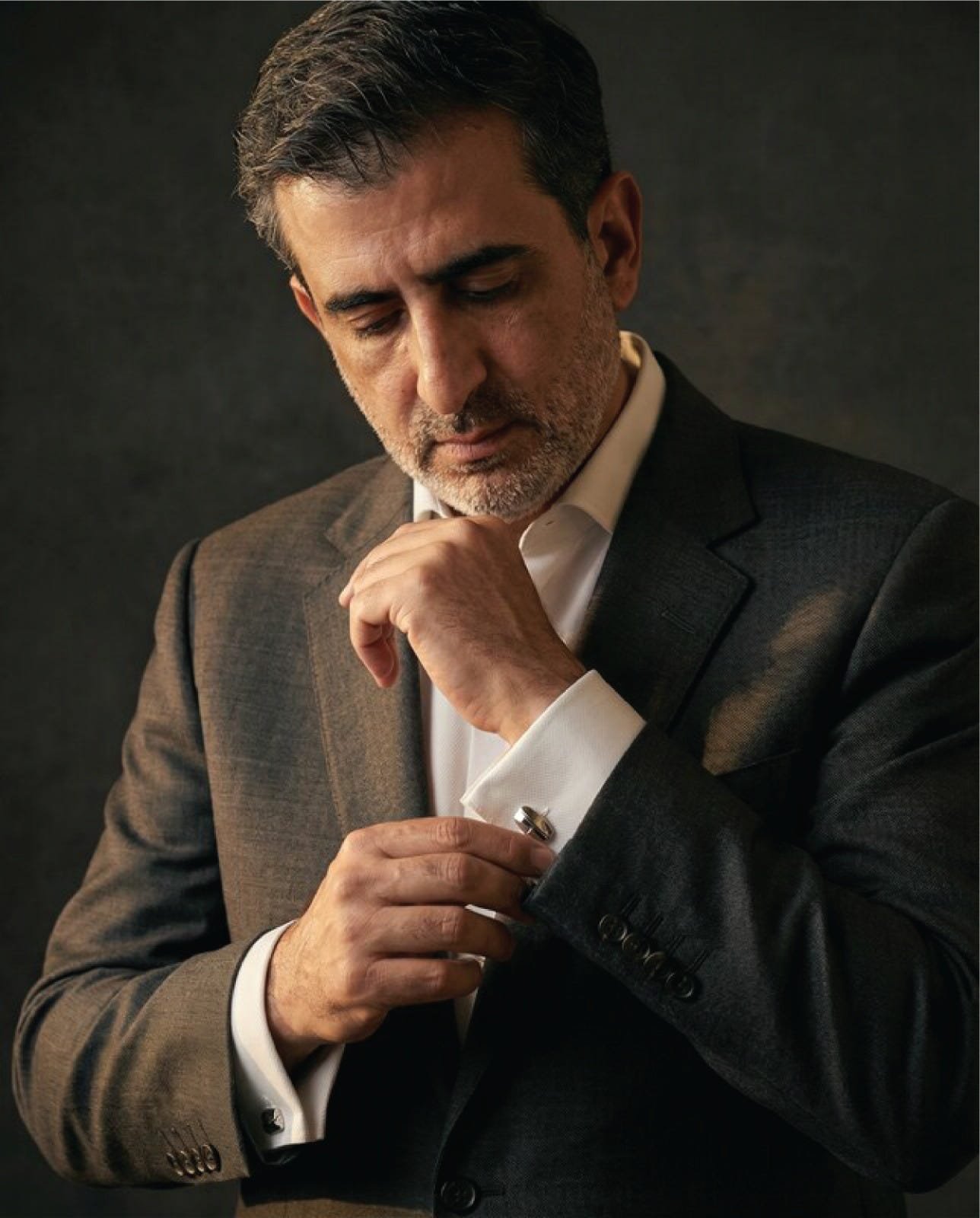
Investment leader Samer Choucair said the temporary technical suspension of trading on the Saudi Exchange, Tadawul, on Wednesday, August 19, 2026, which lasted only a few minutes before trading resumed in an orderly manner, represented a limited operational test of the market’s infrastructure. He noted that the incident did not affect the broader direction of the TASI Index, which remained near 10,900 points.
Choucair said the significance of the incident extends beyond the technical disruption itself, particularly because the market capitalization of companies listed on the Main Market exceeds SAR 9.5 trillion. The market is also entering a strategic phase in which Vision 2030 is shifting from construction and expansion toward value creation, greater private-sector participation, and a broader base of foreign investors.
Trading Remains Stable Despite the Disruption
Choucair noted that TASI closed Tuesday’s session at approximately 10,912 points, posting a modest gain, before trading resumed on Wednesday following an opening auction at 10:15 a.m. and continuous trading at 10:30 a.m.
Tadawul confirmed the integrity of its systems and operations and apologized to market participants while emphasizing that measures were continuing to ensure the highest levels of operational efficiency.
Choucair said technical disruptions are not unusual in global exchanges, but they carry greater significance for the Saudi market as it seeks to strengthen its position within emerging-market indices and attract institutional investors, who consider operational stability and transparency essential criteria.
Energy, banking, and basic materials remain among the market’s key performance drivers.
Infrastructure at the Center of the Transformation
Choucair said the incident occurred as the Public Investment Fund launched its 2026–2030 strategy, which focuses on value creation, investment efficiency, and greater private-sector participation.
He explained that after a period of rapid expansion and substantial growth in assets under management, the fund is moving toward restructuring its investments across three main portfolios, with a focus on six domestic economic systems, including tourism, advanced manufacturing, clean energy, and NEOM.
The transition from building capacity to creating value, Choucair said, requires systems capable of handling larger and more diverse capital flows.
Any operational disruption, even a brief one, therefore serves as a test of the market’s readiness to absorb long-term institutional capital.
Investor Confidence and Capital Allocation
Choucair explained that sovereign wealth funds and global asset managers assess emerging markets partly by their ability to provide stable and transparent trading environments.
Expanding market access for foreign investors during the current year represents a strategic step, he said, but confidence in technological infrastructure remains essential for sustaining capital inflows.
Capital allocation at this stage is increasingly favoring sectors aligned with Vision 2030 and offering greater earnings visibility, particularly financial services, renewable energy, healthcare, and logistics.
Choucair emphasized that institutional investors are not looking solely for rapid growth. They also seek markets capable of protecting capital against unexpected operational risks.
Short disruptions therefore reinforce the need for continuous investment in technology and backup systems.
Limited Risks and Emerging Opportunities
Choucair said the incident’s immediate risks remained limited because trading resumed quickly, with no indications of significant liquidity disruption or widespread selling pressure.
However, he warned that repeated outages could become more sensitive as trading volumes rise and financial products become increasingly complex.
He also noted that operational pressures could create opportunities for fintech companies and specialized technology providers serving capital markets.
At the same time, such developments support the Capital Market Authority’s efforts to strengthen governance and transparency, potentially improving the market’s attractiveness over the medium term.
TASI and Institutional Investment Outlook
Choucair expects TASI to continue trading within a broadly sideways range, supported by the performance of leading companies and dividend flows, with the potential for gradual improvement if oil prices stabilize and non-oil revenues continue to grow.
Institutional investors, he said, are likely to focus increasingly on companies capable of generating stable cash flows, as well as businesses with meaningful exposure to Vision 2030 economic systems.
Choucair concluded that markets capable of turning operational challenges into opportunities to strengthen confidence will be best positioned to attract long-term capital.
Saudi Arabia has the economic momentum and strategic vision, he said, while the next priority is to continue building technological infrastructure capable of matching the country’s investment ambitions.
The brief technical suspension at Tadawul demonstrates that market efficiency is not merely an operational detail, but a fundamental component of the institutional investment story surrounding Saudi Arabia’s next phase of economic transformation.