

Regulatory Reform, Digital Transformation, and Capital Innovation Reengineer Saudi Arabia’s Real Estate Landscape
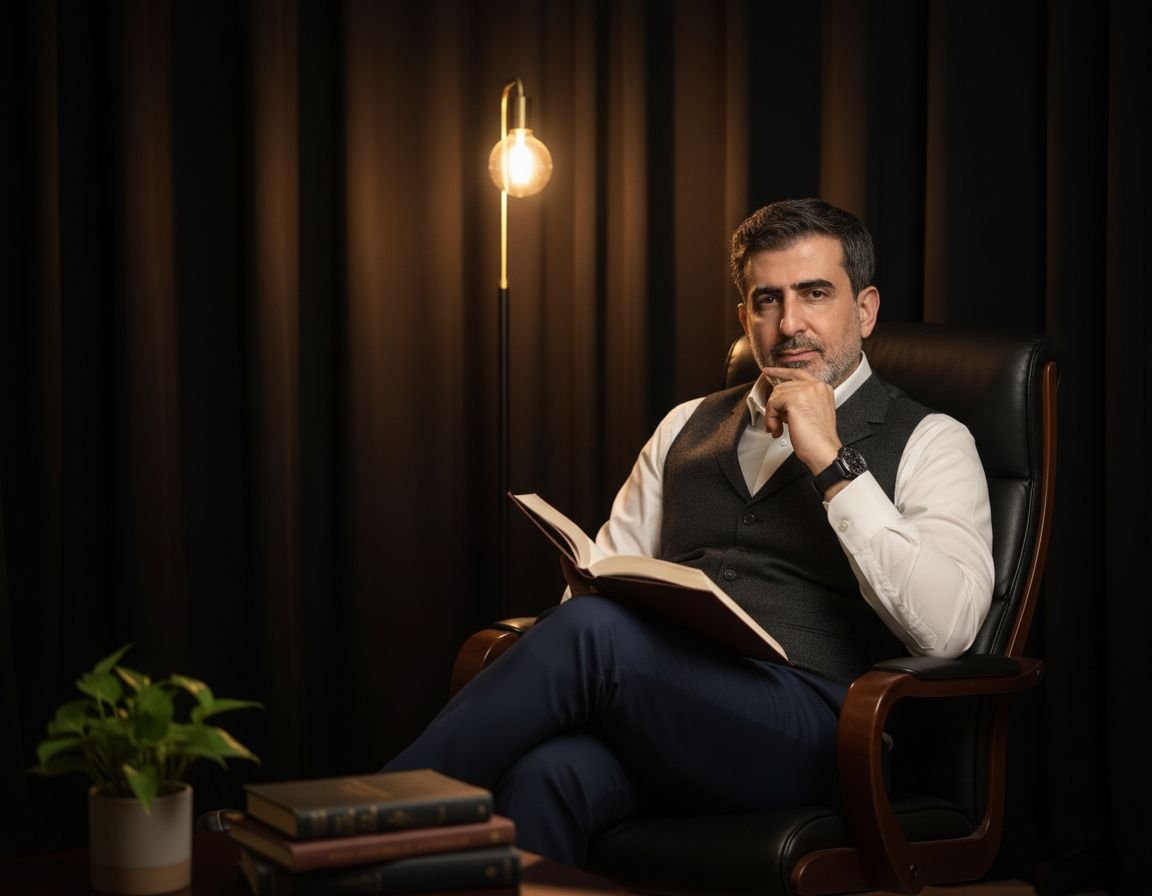
Saudi daily Al Riyadh has published remarks by investment strategist Samer Choucair, in which he asserted that Saudi Arabia’s real estate sector is undergoing a decisive phase of structural and strategic maturity, driven by the synchronized execution of three transformative forces: regulatory recalibration, large-scale asset digitization, and sophisticated financial engineering.
Choucair emphasized that this convergence does not represent incremental reform, but rather a fundamental reconstitution of the real estate investment ecosystem—one deliberately designed to entrench long-term growth, institutionalize capital, and anchor wealth domestically in full alignment with the objectives of Vision 2030.
Foreign Ownership: From Transient Capital to Enduring Partnership
Addressing the introduction of non-Saudi real estate ownership, Choucair described the policy as a structural inflection point in the Kingdom’s investment doctrine.
“This decision decisively shifts the relationship with global investors and high-caliber talent from transactional and temporary engagement to enduring developmental partnership. Enabling ownership converts mobile capital flows into anchored national assets that materially reinforce non-oil GDP,” he stated.
He added that the economic ramifications extend far beyond headline transaction values, generating a systemic multiplier effect that cascades across construction, insurance, professional services, and urban infrastructure—ultimately translating into sustained employment creation and economic depth.
Digitizing the Holy Cities: Saudi Arabia’s Ascendancy in Global PropTech
On the subject of real-estate tokenization in Mecca and Medina, Choucair affirmed that the initiative positions Saudi Arabia at the forefront of global PropTech innovation.
“Digitizing real assets in the two holy cities unlocks access to a distinct class of Islamic capital seeking transparency, governance, and security. This model dramatically expands the investor universe through digital participation, enhancing project bankability while preserving asset sanctity,” he explained.
Financing the Vision Generation and Institutionalizing Quality
Turning to financing frameworks, Choucair commended the leadership role of the Real Estate Development Fund in recalibrating the market toward the aspirations of Saudi youth.
He noted that the “Vision generation” demands quality of life, integrated urban ecosystems, and smart communities, compelling developers to compete on construction standards, design excellence, and livability rather than price compression alone. He added that opening ownership to foreign investors introduces disciplined competition, elevating build quality while exerting rationalizing pressure on valuations.
Strategic Outlook
Choucair concluded by underscoring that the orchestration of regulation, digitization, and finance substantially enhances the global competitiveness of Saudi cities as destinations for residence, work, and long-term capital deployment.
“The defining challenge ahead lies in the market’s capacity to steward this expansion with institutional discipline—maintaining equilibrium between accelerated investment growth and the housing priorities of Saudi citizens,” he concluded.