

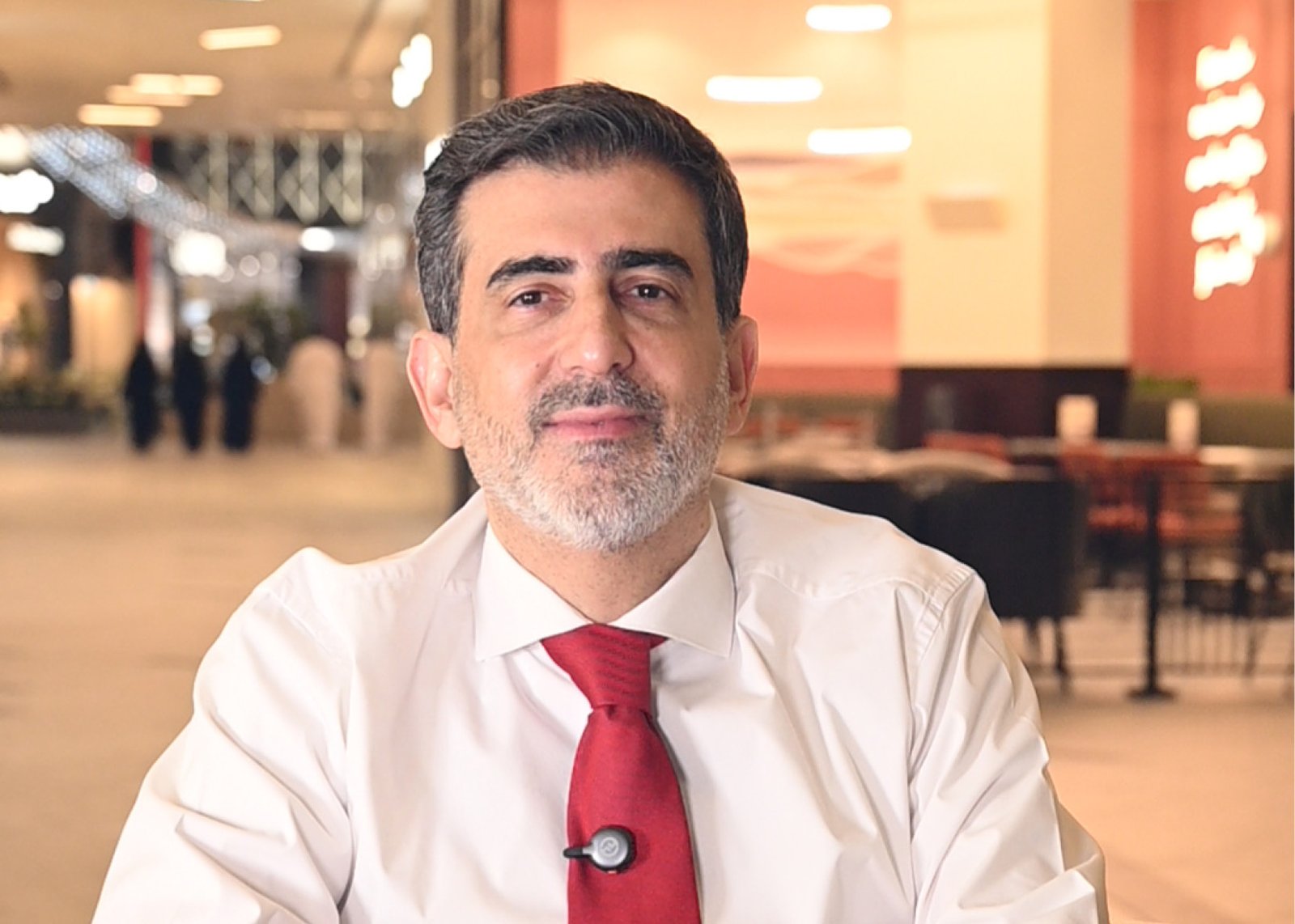
Cultural tourism in Saudi Arabia has evolved into a fully integrated economic industry, with AlUla and Diriyah emerging as global destinations. Cultural investment is no longer symbolic spending; it is a multiplier of economic return.
In this context, investment entrepreneur Samer Choucair emphasized that projects such as AlUla and Diriyah are no longer simple restoration initiatives. They are global destinations. Cultural tourism in Saudi Arabia has been growing at approximately 10 percent annually. He noted that France generates more than 60 billion dollars each year from cultural tourism, and the Kingdom is working toward building a comparable model tailored to its own identity.
Choucair explained that a museum today is not just a ticket. It is a hotel, a restaurant, transportation, retail, and an entire surrounding ecosystem. Cultural investment is not merely about improving a location; it is about constructing a complete economic cycle around it.
—
Riyadh Among the Smartest Markets Globally
During his interview with Entrepreneur magazine, Samer Choucair described Riyadh as one of the smartest markets in the world. The capital’s food and beverage market exceeds 120 billion riyals annually and is growing at a rate between 8 and 10 percent per year.
This growth, he explained, is driven by a Michelin-minded consumer who distinguishes quality and demands a full experience, not just food.
From global cuisines to fusion concepts, restaurants that combine Saudi flavors with international techniques, such as rotisserie-driven concepts, are achieving strong performance.
Choucair stressed that in this highly competitive market, success depends not only on the food but on the vibe. The full customer experience, from service and design to music and visual identity, defines sustainability.
At the same time, opportunity remains significant. However, more than 60 percent of new restaurants fail to survive beyond two years if they lack a strong home-grown concept and intelligent manpower planning. The F&B sector in Saudi Arabia is no longer a casual venture. It is a structured economic sector with measurable impact.
—
Cultural Investment as Place-Making ROI
Samer Choucair further clarified that cultural investment today represents what is globally known as Place-making ROI, the return generated by transforming an entire destination.
In this model, the payment is not merely for entry to a museum, but for a complete cultural experience that elevates the surrounding area and increases its economic value.
Major projects across the Kingdom demonstrate this approach. The cultural and tourism sectors are contributing significantly to Saudi Arabia’s economic expansion. Global events such as the Joy Awards have driven hotel occupancy rates in Riyadh to exceptionally high levels. Each major event activates real economic opportunity, and every riyal spent on culture circulates multiple times within the broader economy.
Choucair referenced the Guggenheim Museum in Bilbao, Spain, established in 1997 at a cost of 89 million dollars. Within three years, it generated returns exceeding half a billion dollars and transformed the city’s global profile. He noted that Saudi Arabia is building similar long-term cultural industries through projects such as AlUla and Diriyah, creating jobs, increasing tourism revenues, and achieving seasonal growth rates exceeding 70 percent in some periods.
—
Samer Choucair: Saudi Sport as a Growth Engine
In parallel, Choucair highlighted that sport in Saudi Arabia has moved beyond entertainment and into large-scale industry. Broadcasting rights for the Saudi League are now sold in more than 150 countries. Sponsorship and media revenues exceed billions of riyals annually.
He explained that Saudi sport has transitioned from a budget line item into a growth engine that generates employment and stimulates related sectors including hospitality, aviation, and retail. This trajectory mirrors the Premier League model in England, which generates more than 7 billion dollars annually and drives a broad economic ecosystem.
—
Conclusion
Samer Choucair concluded that sustainability depends on continuous programming. Global events, media partnerships, and dynamic content are essential to maintaining productive cultural assets.
When museums, stadiums, and tourist destinations are connected to annual event calendars and evolving content, they become sustainable assets rather than static infrastructure.
Saudi Arabia invested in its cultural and tourism infrastructure and achieved the milestone of 100 million domestic and international visitors seven years ahead of schedule. The ambition has since been raised to 150 million visitors by 2030.
According to Choucair, what is unfolding is not temporary expansion. It is the creation of lasting cultural industries that generate employment, expand tourism revenues, and reposition the Kingdom within the global economic landscape.