

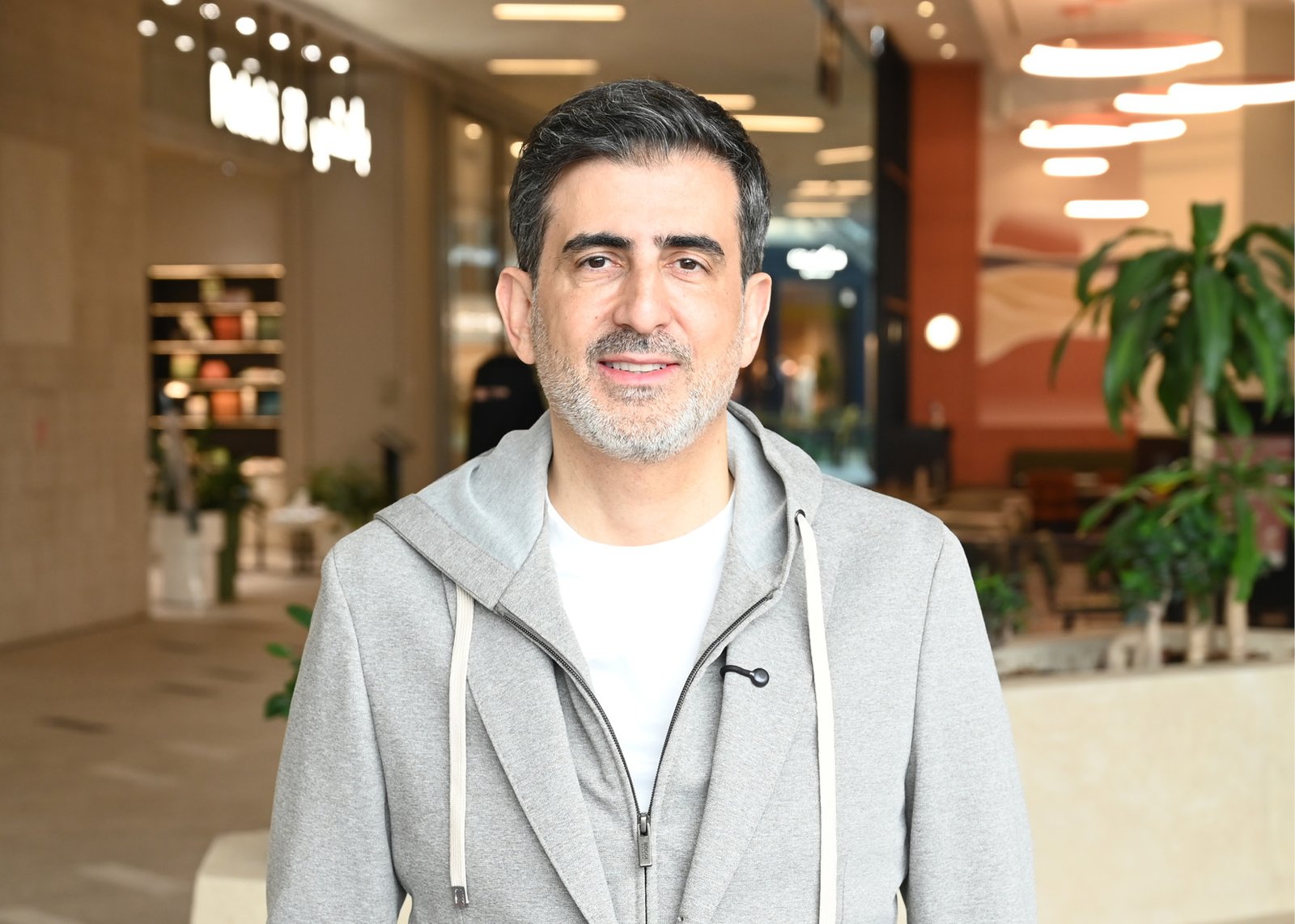
Investment entrepreneur Samer Choucair affirmed that what Saudi Arabia is witnessing today is not a temporary boom, but a comprehensive re-engineering of sectors that were once classified as government spending items and are now evolving into economic assets generating both direct and indirect returns.
—
Sports: From Entertainment to a Multi-Billion Riyal Industry
In a discussion with the Editor-in-Chief of Entrepreneur, Samer Choucair explained:
“Sport in Saudi Arabia is no longer simply a public entertainment activity. It has become a fully integrated industry. The Saudi league’s broadcasting rights are now sold in more than 150 countries. Sponsorship and media revenues exceed billions of riyals annually. This shift has moved the sector from the expense column to the productive investment column.”
Choucair noted that this transformation did not emerge in isolation. It draws inspiration from global models such as the English Premier League, which generates more than 7 billion dollars annually and creates ripple effects across hospitality, aviation, retail, and media.
Today, sport functions as an economic growth locomotive. Every major match translates into higher hotel occupancy, increased flight bookings, restaurant spending, and both direct and indirect job creation. This is the definition of an integrated industry ecosystem.
—
Culture: From Restoration Projects to Global Destinations
Samer Choucair views cultural investment in Saudi Arabia as a prime example of what global economists call Place-making Return on Investment.
Projects such as AlUla and Diriyah are not merely restoration initiatives. They are global destinations around which full economic cycles are built.
Choucair highlighted that cultural tourism in the Kingdom is growing at nearly 10 percent annually. He referenced international benchmarks:
“France generates more than 60 billion dollars annually from cultural tourism. Italy generates close to 50 billion. Saudi Arabia is moving in the same direction, but with a modern model that blends heritage with immersive experience.”
A museum, he explained, does not simply sell tickets. It activates hotels, restaurants, transportation, events, and retail ecosystems. Every riyal spent in culture multiplies within the broader economy.
He cited the well-known “Bilbao Effect” following the construction of the Guggenheim Museum Bilbao, which cost approximately 100 million dollars and generated more than 1 billion dollars in economic returns within a decade. Saudi Arabia, he emphasized, is building its own version of this model.
—
Restaurants: A Smart Market Led by a Conscious Consumer
In the food and beverage sector, Samer Choucair described Saudi Arabia as one of the most dynamic markets in the region. The F&B market exceeds 120 billion riyals annually, with growth rates between 8 and 10 percent.
“The Saudi consumer today is Michelin-minded,” he said. “He seeks quality, detail, and a complete experience.”
Success is no longer defined by food alone. It is defined by the vibe, the service quality, the interior design, the music, and the brand identity.
However, Choucair cautioned that more than 60 percent of new restaurants fail to survive beyond two years if they lack an authentic home-grown concept and a disciplined human resources strategy. The market no longer tolerates superficial projects.
Concepts that blend Saudi flavors with global techniques tend to perform best, especially when the brand evolves into a scalable regional experience.
—
Major Events as Direct Economic Multipliers
Samer Choucair emphasized that global events have become powerful economic instruments.
“When Riyadh hosts an event such as the Joy Awards and hotel occupancy reaches 90 percent, this is not spending. It is a full financial cycle activated within days.”
Each major event mobilizes multiple supply chains simultaneously: production, media, hospitality, transportation, advertising, and retail.
—
The Secret of Sustainability: Continuous Programming
Choucair concluded by stressing that sustainability is not achieved by constructing a large venue alone. It requires continuous programming.
“A museum, stadium, or tourist destination must be connected to an annual calendar of events, media partnerships, and refreshed content. A fixed asset requires dynamic content to remain productive.”
He also noted that Saudi Arabia achieved its target of 100 million domestic and international visitors seven years ahead of schedule and has now raised the target to 150 million visitors by 2030.
“What we are building today are industries, not projects,” Samer Choucair concluded. “The real transformation is that sports, culture, and restaurants are no longer luxuries. They are economic assets that create jobs, increase GDP, and shape a new global identity for the Kingdom.”