

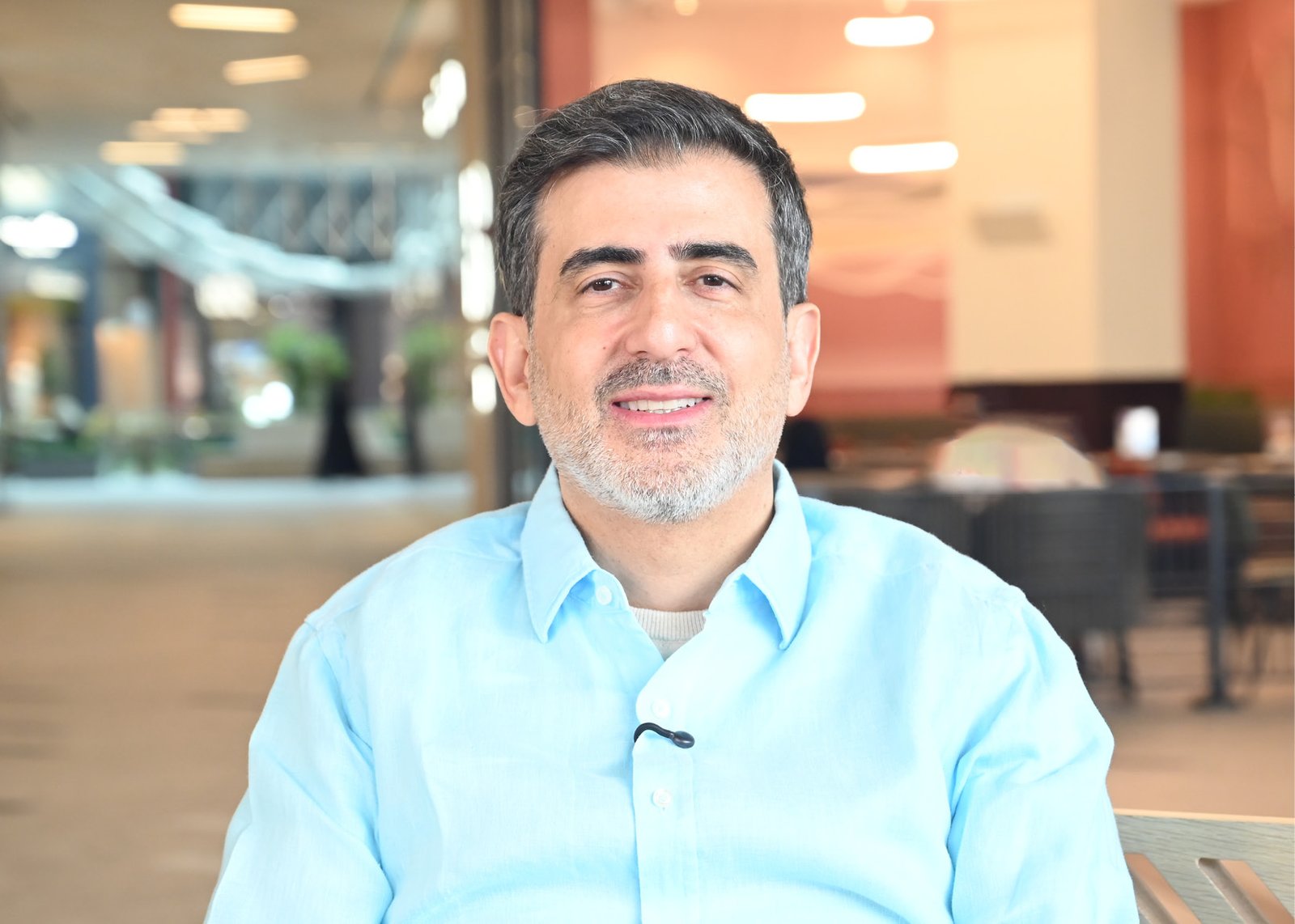
In a deep strategic reading of the digital economy, investment entrepreneur Samer Choucair argues that the real secret behind the success of modern startups is no longer simply customer acquisition, but rather the ability to understand customer behavior and maintain long-term retention.
According to Choucair, the Software as a Service sector has become the backbone of the global digital economy. Industry projections suggest the global SaaS market could exceed $300 billion by the end of 2026, reinforcing its role as one of the most important pillars of modern technology infrastructure.
However, he warns that the rapid rise of artificial intelligence is fundamentally reshaping the competitive landscape of SaaS companies.
From an investment perspective, AI is both an opportunity and a threat.
It enables unprecedented innovation, but it also accelerates the commoditization of software features, potentially weakening the traditional SaaS revenue model if companies fail to build durable competitive advantages.
Vision 2030 as a Strategic Engine for the SaaS Sector
Choucair emphasizes that Saudi Vision 2030 is positioning Saudi Arabia as a future regional hub for the SaaS industry.
He notes that the Saudi SaaS market is projected to reach $6.49 billion by 2030, driven by a combination of digital infrastructure investments, regulatory reforms, and strong government support for innovation.
“The kingdom’s cloud-first strategy, combined with a $3 billion investment in emerging technologies such as xAI, opens unprecedented opportunities for local innovation,” Choucair explains.
In his view, SaaS is no longer just a technical solution for businesses. It is becoming a strategic digital infrastructure layer supporting sectors such as healthcare, financial services, and smart city development.
The Growth Equation: What Really Drives SaaS Success
When analyzing SaaS companies, Choucair believes investors must move beyond surface-level growth metrics.
One of the most important indicators, he explains, is Net Dollar Retention (NDR).
“NDR above 100 percent is the real signal of a healthy SaaS company,” Choucair says.
“If it falls below that level, the company is effectively losing revenue over time. But when it exceeds 100 percent, it means the business is expanding revenue from its existing customer base.”
Companies with strong NDR metrics are able to grow through upselling, cross-selling, and deeper product integration, reducing reliance on constant customer acquisition.
At the same time, Choucair warns that high churn rates represent one of the biggest threats to SaaS companies today.
As artificial intelligence accelerates software development cycles, many product features that once differentiated companies are quickly becoming standardized.
This creates a new strategic challenge for both founders and investors: building what Choucair calls “a strong mental infrastructure” capable of anticipating technological disruption.
Global Success Models
To illustrate how powerful the SaaS model can be when executed correctly, Choucair highlights several global examples.
The U.S. software company Salesforce serves more than 150,000 corporate clients and has achieved retention levels approaching 125 percent, demonstrating the strength of its ecosystem-based growth strategy.
In the digital media sector, Spotify transformed the way content is distributed globally through subscription-based services.
Meanwhile, Alibaba Cloud has become a major force in Asia’s digital infrastructure market.
These companies show how SaaS platforms can become dominant when they combine technology, data, and ecosystem scale.
Regional Adoption in the Gulf
At the regional level, Choucair notes that SaaS adoption has accelerated significantly across the Gulf.
Platforms such as Zoom played a crucial role in supporting education and business operations in both Saudi Arabia and the United Arab Emirates.
Today, approximately 99 percent of global companies rely on SaaS tools, with large enterprises using an average of 103 different SaaS applications across their operations.
This widespread adoption is transforming how companies operate, reducing infrastructure costs while dramatically improving operational efficiency.
A Call for Future-Focused Investment
From an investment standpoint, Choucair believes the next wave of opportunity in the region lies in secure, scalable cloud platforms designed for emerging digital economies.
Entrepreneurs and investors in the Middle East, he argues, should focus on building SaaS solutions that align with the ambitions of Vision 2030 while integrating artificial intelligence and advanced analytics.
He concludes that identifying these opportunities requires a long-term perspective and disciplined capital allocation.
“Artificial intelligence will redefine the SaaS industry,” Choucair says.
“But the winners will be the companies that build resilient platforms, not just clever software features.”
In the emerging digital economy, the advantage will belong to those who understand not only technology—but the investment logic behind it.