

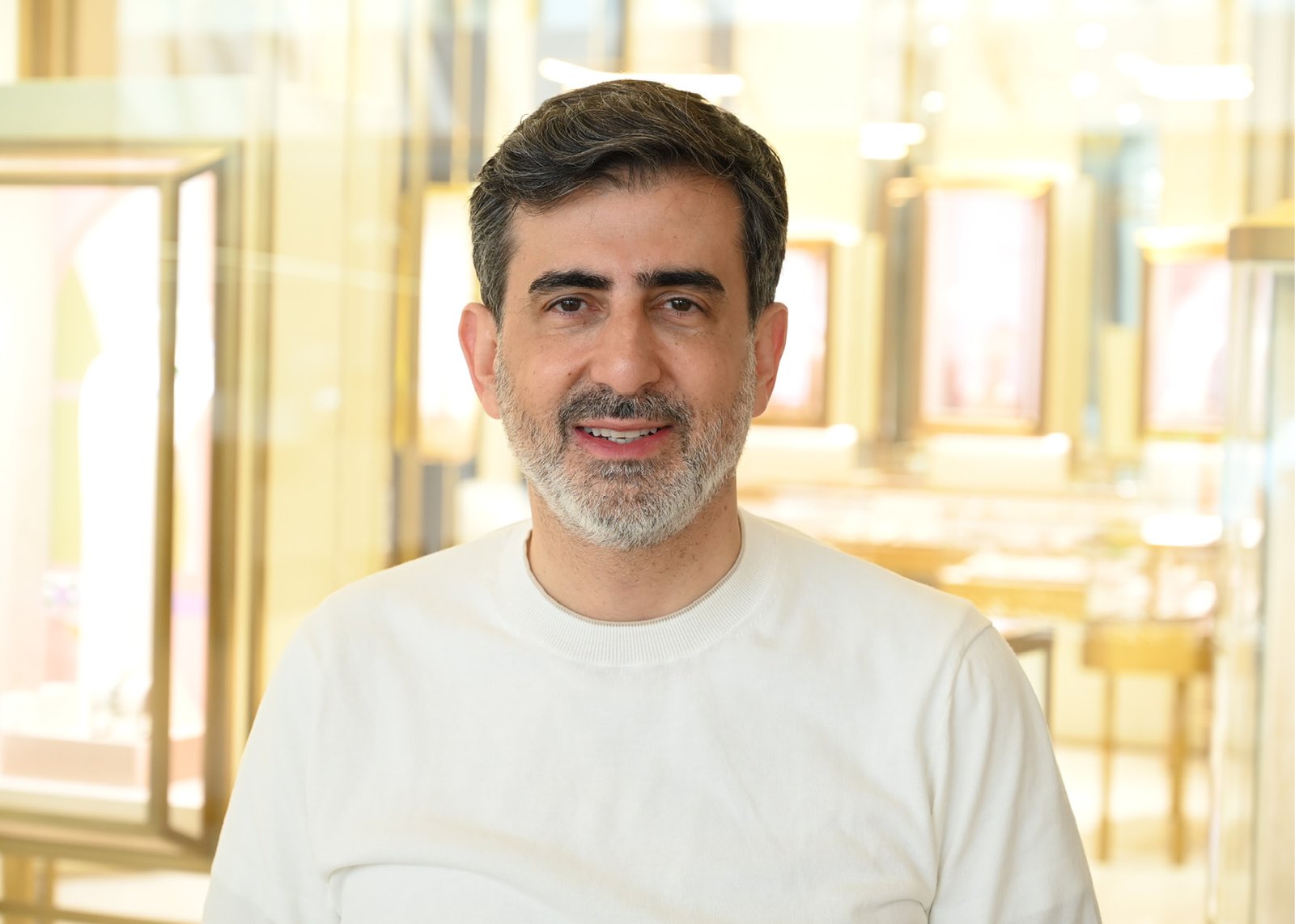
Investment leader Samer Choucair affirmed that the current expansion of Saudi Arabia’s private real estate investment funds is not a temporary surge, but a structural transformation positioning the Kingdom among the world’s most compelling investment destinations.
In a comprehensive and updated strategic analysis, Choucair explained that funds holding assets in mega projects such as NEOM, Qiddiya, and the Red Sea are generating annual returns ranging between 11 percent and 16 percent. These returns combine stable recurring income with capital appreciation supported by substantial government spending. This significantly exceeds returns from REITs in mature markets such as Singapore and Japan, where yields typically range between 5 percent and 7 percent.
—
Exceptional Performance and Billion Riyal Scale Assets
Choucair highlighted that private real estate fund assets in Saudi Arabia reached SAR 355.96 billion by the end of 2025, representing 53.6 percent of total private fund assets, which stand at SAR 663.63 billion.
This performance is part of a broader asset management landscape where total assets under management reached SAR 1.24 trillion, with private funds recording annual growth of 27 percent. This growth clearly outpaces mature Asian markets, which continue to face economic volatility and lower occupancy rates.
According to Choucair, market concentration is led by five major institutions controlling approximately 61 percent of the sector, including Al Ahli, Al Rajhi, Alinma, Jadwa, and Riyad, while private funds remain the primary driver of this qualitative growth.
—
Why Saudi Real Estate Leads the Investment Landscape
Choucair explained that the dominance of real estate is directly linked to Vision 2030 projects, which ensure sustained and genuine demand, with occupancy rates ranging between 85 percent and 95 percent in developments such as NEOM and Qiddiya.
He provided practical market examples:
NEOM Focused Funds
These funds concentrate on residential and commercial zones within The Line, with expected returns between 12 percent and 15 percent.
Qiddiya Entertainment Funds
These funds hold assets within one of the world’s largest entertainment destinations, with projected annual growth of approximately 18 percent through 2030.
Red Sea Funds
Focused on luxury hospitality assets, these funds deliver rental yields of up to 10 percent, alongside land value appreciation reaching 25 percent annually.
Logistics Funds
Linked to King Salman International Airport and Riyadh’s expanding infrastructure, these funds are benefiting from strong global trade growth and rising demand for logistics assets.
Choucair also highlighted the democratization of investment within this sector, as the number of participants increased from 15,000 to 167,000 investors, enabling individual participation with entry points starting at SAR 100,000.
—
Strategic Comparison: Saudi Arabia Versus Asia Pacific Markets
In a data driven comparison supported by regulatory and international reports, Choucair emphasized Saudi Arabia’s superiority in both growth and returns.
While private real estate funds in Saudi Arabia are growing at approximately 27 percent annually, the Asia Pacific region averages around 13.7 percent. In terms of returns, Saudi funds deliver between 11 percent and 16 percent, driven by guaranteed demand from government backed projects.
By contrast, Singapore REITs generate returns between 5.7 percent and 6.9 percent, while Japanese REITs range between 4.6 percent and 5.4 percent.
Choucair cited a practical example of an investor achieving a 14 percent total return within one year in a Saudi real estate fund, compared to approximately 7 percent in a Singapore based logistics fund, despite its relative stability.
—
Growth Drivers, Risks, and Practical Recommendations
Choucair identified key growth drivers including Vision 2030, privatization initiatives, and regulatory reforms led by the Capital Market Authority, which are expected to further open the market to foreign investors in 2026.
At the same time, he emphasized the importance of recognizing risks. The concentration of assets in real estate, accounting for 53.6 percent of private funds, increases sensitivity to project delays. Additionally, private funds typically offer lower liquidity compared to traditional financial instruments.
Based on this, he outlined clear investment strategies:
For Individual Investors
Allocate between 30 percent and 40 percent of portfolios to Saudi private real estate funds, while maintaining approximately 20 percent exposure to Asian markets for diversification.
For Institutional Investors
Prioritize funds linked to NEOM and Qiddiya to target returns exceeding 12 percent.
Entry Strategy
Begin with an allocation of approximately SAR 500,000 into a hybrid fund combining real estate and equities to balance risk and return.
—
Outlook Through 2030
Choucair projects that total assets under management in Saudi Arabia will reach approximately SAR 2 trillion by 2030, with private real estate funds accounting for up to 60 percent of the market. Annual returns are expected to remain in the range of 10 percent to 15 percent, supported by sustained demand and continued economic transformation.
—
Conclusion
Choucair concluded that Saudi real estate funds represent a historic gateway for wealth creation and long term capital appreciation. He emphasized that these funds not only offer attractive financial returns but also provide investors with direct participation in shaping the Kingdom’s economic future.