

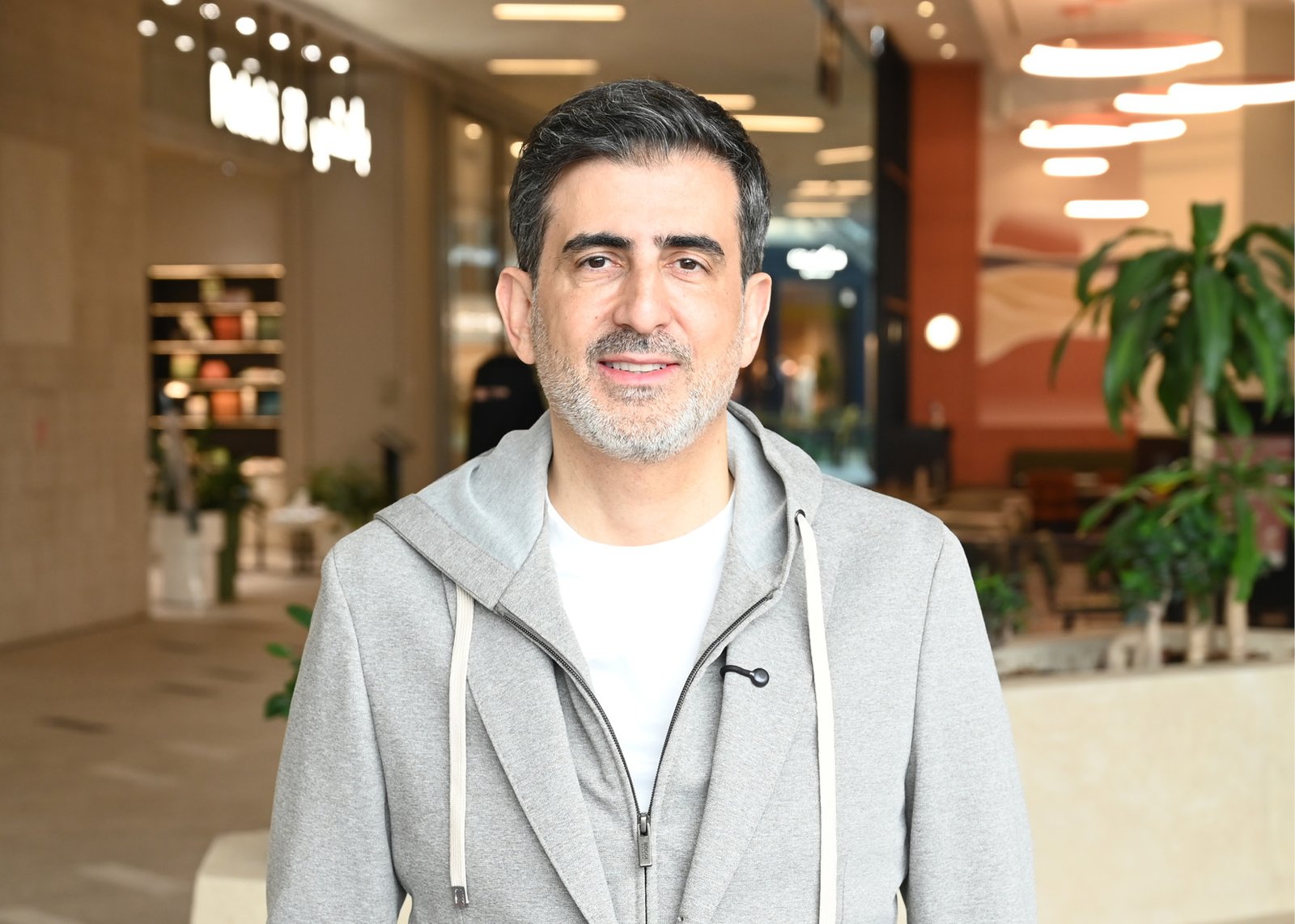
Investment leader Samer Choucair has released a comprehensive strategic analysis of Saudi Arabia’s financial landscape, emphasizing that the Kingdom’s achievement of SAR 1.24 trillion in assets under management by the end of 2025 marks the beginning of a new growth phase rather than a peak. He noted that Saudi Arabia is entering a period defined by accelerated expansion and structural sustainability that outpaces global benchmarks.
—
Saudi Arabia Leads in Growth Velocity While the UAE Dominates in Scale
In a detailed comparative assessment, Choucair explained that Saudi Arabia is outperforming global averages in AUM growth by approximately three times. This momentum is driven primarily by internal economic transformation, including privatization initiatives and large scale national development projects.
By contrast, the United Arab Emirates continues to lead in total asset size, supported by its free zone ecosystem and cross border capital inflows. However, Choucair emphasized that the Saudi model is distinguished by the depth and durability of its structural reforms, making its growth trajectory more internally anchored and sustainable.
—
Private Funds as the Core Engine of Market Expansion
Choucair highlighted that private funds have become the primary driver of the Saudi investment ecosystem, with assets reaching SAR 663.63 billion, accounting for 53.5 percent of total assets under management.
He noted that real estate dominates private fund allocations, representing 53.6 percent of the segment, reflecting its central role in delivering Vision 2030 development objectives and large scale urban transformation projects.
—
Key Growth Drivers and Strategic Risks
According to Choucair, four core factors underpin this exceptional expansion:
The execution of Vision 2030 and privatization programs, including more than 15 major transactions
Market liberalization and increased foreign investor participation, with foreign ownership exceeding SAR 590 billion
Strong credit fundamentals combined with relatively moderate interest rate conditions
Expansion in investment products and a significant increase in licensed fund managers since 2019
Despite these strengths, Choucair cautioned against several structural risks. These include high concentration in real estate, exposure to construction cycle slowdowns, liquidity constraints in certain private funds, and fee structures that may reach 2 percent in management fees and 20 percent in performance fees.
—
Strategic Recommendations for Investors
Choucair outlined targeted strategies for different investor segments:
Individual Investors
He advised allocating between SAR 100,000 and SAR 500,000 into private real estate funds or private equity, supported by a diversified portfolio model consisting of 40 percent real estate, 30 percent equities, 20 percent private equity, and 10 percent liquid assets. Expected annual returns are projected in the range of 10 percent to 15 percent.
Institutional Investors
He recommended allocating between 25 percent and 35 percent of total assets toward Saudi private funds, with a strong focus on strategic sectors such as logistics, tourism, and technology. He also emphasized the importance of diversification by allocating at least 20 percent of investments outside the largest asset managers in the market.
—
Outlook 2026 to 2030
Choucair projects that total assets under management in Saudi Arabia will reach approximately 2 trillion SAR by 2030, with private funds increasing their dominance to between 55 percent and 60 percent of the total market. This growth will be supported by the continued expansion of specialized sector focused funds and sustained investor demand.
—
Conclusion
Choucair concluded that the current phase represents a rare and historic entry point for investors. Saudi Arabia’s asset management industry is transitioning from growth to global relevance, supported by structural reform, capital inflows, and institutional maturity.
He emphasized that investors who position early within private markets, particularly in sectors aligned with Vision 2030, stand to benefit from long term value creation. In this context, disciplined allocation and strategic diversification will be critical to capturing the full upside of this transformation.