

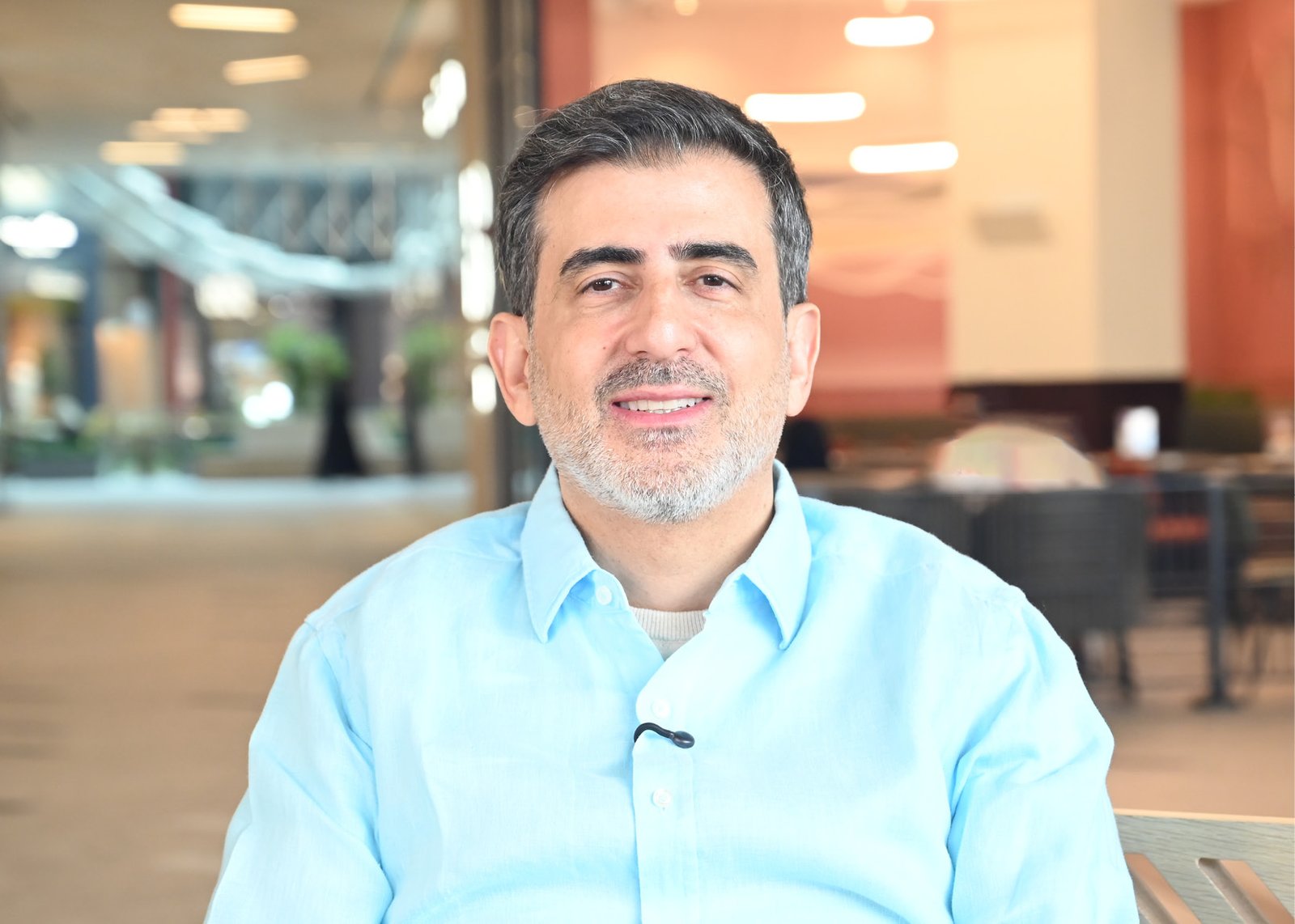
Investment strategist Samer Choucair argues that the world is living through a historic moment that is redefining the concept of assets. Wealth, he explains, is no longer measured solely by land or factories—but increasingly by computational power.
> “Data centers are the digital oil fields of our time, and GPUs have become the most in-demand resource in the global economy.”
This shift, Choucair notes, explains the massive capital inflows into the sector in 2026.
—
The Equation Changing the Game
Choucair outlines a compelling investment model grounded in real-world dynamics seen in companies like NVIDIA and OpenAI.
A simplified framework:
$1 billion capital investment
Acquisition of ~22,000 GPU units
Rental pricing: ~$4 per hour
Utilization rate: ~75%
This leads to:
Annual revenues: $500–580 million
Net profit: ~$150 million
Payback period: under 7 years
> “We are looking at an asset class that behaves like infrastructure—but delivers returns closer to high-growth tech,” Choucair explains.
He adds:
> “These are not just investments—they are AI production factories. Whoever owns them controls the next economy.”
—
Why Data Centers Exploded in 2026
According to Choucair, the surge is driven primarily by the rise of generative AI applications such as ChatGPT, which fundamentally reshaped demand dynamics.
He identifies three core drivers:
- Unlimited demand for compute power
- Severe GPU shortages
- A global shift toward AI-first business models
These forces combined have pushed demand growth beyond 300% in a short period.
> “AI is no longer a tool—it is global infrastructure.”
—
The Gulf’s Strategic Entry into the Game
Choucair highlights the Gulf—particularly Saudi Arabia—as a future global hub for data infrastructure.
Driven by Vision 2030, the region offers:
Low-cost energy
Abundant land
Strong government backing
Projects like NEOM provide ideal conditions for large-scale data centers.
> “The Gulf holds the winning formula: energy + capital + vision.”
—
The Real Bottleneck: Energy, Not Technology
Choucair stresses that the biggest constraint is not technology—but energy availability.
A single data center can consume energy equivalent to a small city
Europe faces energy shortages
The U.S. faces infrastructure bottlenecks
The Gulf enjoys energy surplus + renewable expansion
This creates a clear structural advantage for the region.
—
How to Enter the Market Strategically
Choucair outlines a disciplined approach to entering the sector:
Partner with major players like Microsoft and cloud providers
Treat energy as a strategic advantage, not just a cost
Build integrated compute platforms, not just facilities
Focus on AI-as-a-Service (AIaaS) models
Monitor risks:
Supply chains
Geopolitics
GPU pricing volatility
> “Success in this sector is not about speed—it’s about strategic positioning.”
—
Why This Opportunity Is Different
Choucair explains that data centers represent a unique hybrid asset class:
Recurring revenues (like infrastructure)
High switching costs (customer stickiness)
Structural demand (AI-driven)
> “This is a rare convergence of real estate, energy, and technology in a single asset.”
—
Conclusion: Compute Power Is the New Strategic Resource
Choucair concludes that control over computational capacity is now the defining factor in global economic power.
> “Just as natural resources shaped the past, computational power is reshaping the future.”
He frames the opportunity clearly:
> “We are at the beginning of an investment cycle that could last decades. The question is no longer whether to invest—but when to enter before it’s too late.”