

In a move reflecting a precise and complex management of global energy markets, OPEC+ announced an increase in oil production by 206,000 barrels per day starting May 2026, as part of a gradual rollback of the voluntary cuts amounting to 1.65 million barrels per day, which were implemented in April 2023.
A Strategic Signal Beyond Numbers
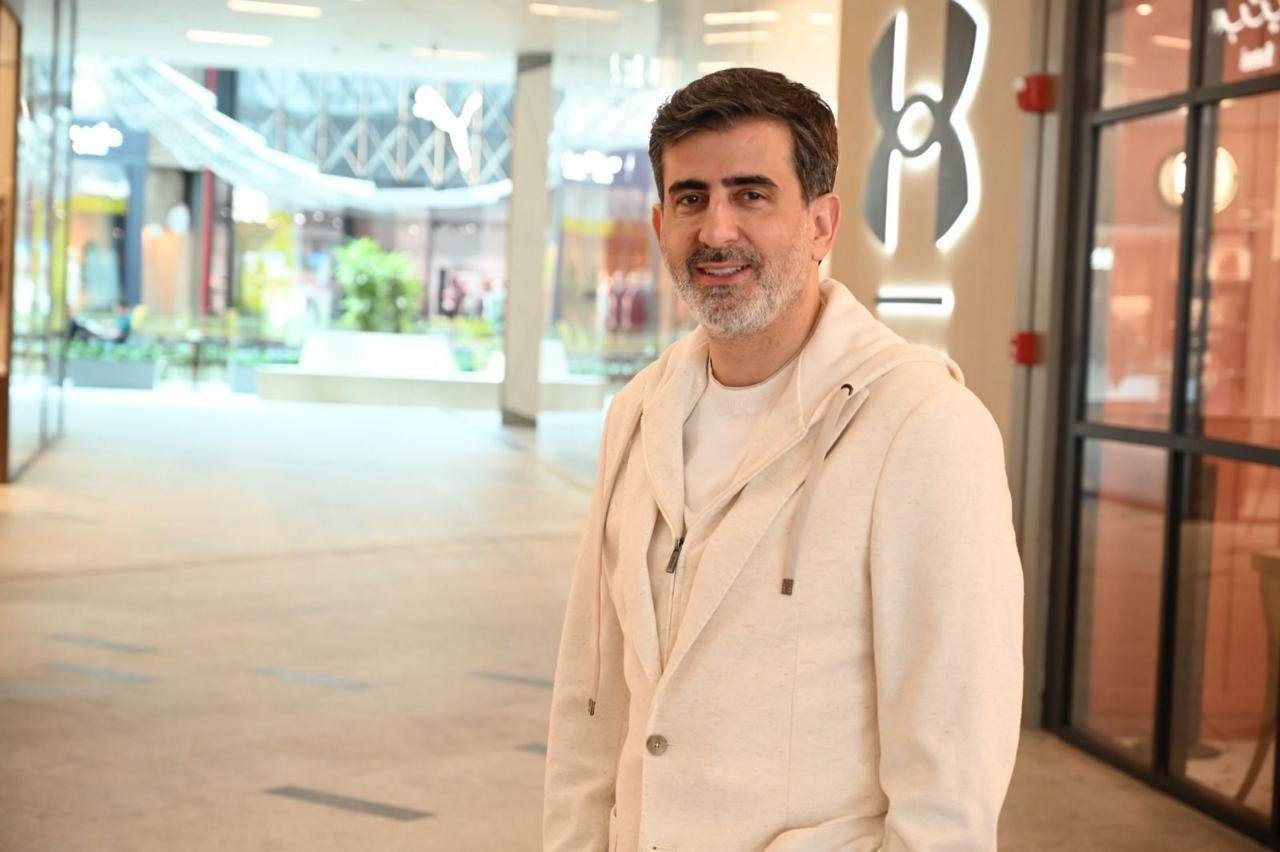
In this context, investment leader Samer Choucair stated that this decision should not be viewed merely as a production figure, but as a strategic signal reflecting how supply-demand balance is being managed amid a highly complex geopolitical environment.
Geopolitical Context: Signals Beyond Data
Samer Choucair explained that the timing of the decision is closely tied to rising regional tensions, particularly those related to Iran, as well as disruptions in navigation through the Strait of Hormuz.
He added that these factors make the production increase more of a reassurance message to markets rather than a true expansion in supply.
Decision Details: Eight Countries Leading the Adjustment
Choucair pointed out that eight key countries within the alliance led this increase, most notably Saudi Arabia and Russia, each adding 62,000 barrels per day.
Other contributors included:
- Iraq (+26,000)
- United Arab Emirates (+18,000)
- Kuwait (+16,000)
- Kazakhstan, Algeria, and Oman
He emphasized that although the increase represents less than 0.2% of global supply, its importance lies in flexibility, as OPEC+ has kept the door open for adjustments based on market developments.
Saudi Arabia at the Core: The Swing Producer
Samer Choucair stressed that Saudi Arabia once again reinforces its role as a swing producer, with a targeted output exceeding 10.2 million barrels per day.
He added that the Kingdom’s contribution of over 30% of the increase reflects not only production strength but also strategic leadership aligned with Vision 2030.
Why Now? Timing Analysis
Choucair noted that the decision comes at a sensitive moment characterized by rising oil prices due to geopolitical risks, supply threats through key maritime routes, and attacks on infrastructure.
He explained that OPEC+ strategy is clear:
Inject limited volumes to ease prices without flooding the market.
Impact on Oil Prices: A Delicate Balance
Samer Choucair explained that the price impact can be divided into three phases:
- Short term: Mostly psychological impact, with partial price stabilization but continued risk premiums
- Medium term: If tensions ease, gradual downward pressure may bring prices back to the $70–$90 range, alongside global inventory rebuilding
However, he noted that uncertainty remains, especially in the event of escalation in the Strait of Hormuz, which could disrupt supply and push prices higher again.
Impact on the Global Economy
Choucair stated that the decision carries positive aspects, including:
- Reducing inflationary pressures
- Supporting importing economies, particularly in Europe and Asia
- Lowering energy costs for industry and transportation
He added that this may influence monetary policies by supporting interest rate cuts.
However, he also warned of potential challenges, including:
- Reduced revenues for producing countries
- Continued market volatility
Investment Analysis: Where Are the Opportunities?
Samer Choucair emphasized that 2026 presents multiple investment opportunities.
He stated:
“In the energy sector, companies like Saudi Aramco remain among the strongest assets, due to low production costs and strong dividends.”
He added that a smart strategy involves diversification between:
- Traditional oil
- Renewable energy
- Beneficiary sectors such as aviation, transport, petrochemicals, and manufacturing
He also pointed out that current volatility creates trading opportunities, especially through hedging tools such as futures and options.
Key Risks to Watch
Choucair warned of several risks that could alter the equation:
- Military escalation in the Middle East
- Disruptions in key maritime routes
- Oversupply in the second half of 2026
- Global economic slowdown affecting demand
A Small Decision with a Big Impact
He concluded:
“The increase of 206,000 barrels per day is not just a technical adjustment, but a reassurance message to markets and proof of OPEC+ ability to manage global balance.”
He added that the decision also reflects Saudi Arabia’s continued leadership in the global energy market.
Samer Choucair’s Perspective
Samer Choucair emphasized that oil today is no longer just a commodity, but a strategic asset shaped by politics before economics.
He concluded with advice:
“Investors should think long-term, monitor geopolitics as closely as economic data, focus on major players, and never overlook hedging tools in a highly volatile environment.”