

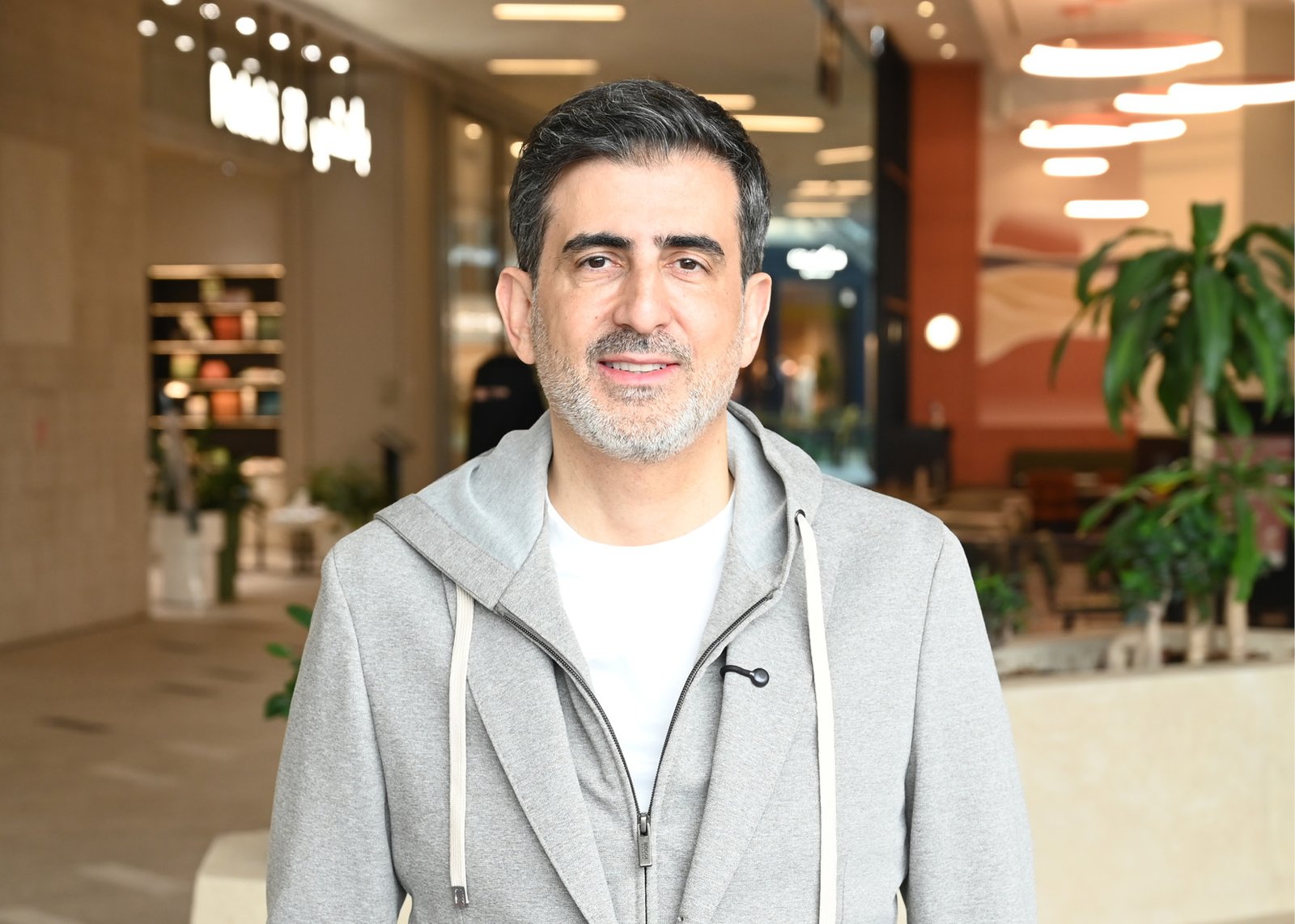
Investment strategist Samer Choucair stated that reopening the Strait of Hormuz under transit fees reaching up to $2 million per vessel marks a defining moment in global energy markets.
He explained that this is not just a political decision—it represents a full transition into a new economic model, where the strait itself has become a priced financial asset, managed like a business.
With nearly 20% of the world’s oil passing through the Strait of Hormuz, any increase in fees translates into billions of dollars flowing daily.
—
The Bigger Shift: From Oil Artery to Cash Machine
Choucair noted that the Strait of Hormuz has effectively transformed into a toll-based gateway, a geopolitical pricing tool, and a direct sovereign revenue source.
With an estimated 130–140 vessels crossing daily, revenues could exceed $250–300 million per day—signaling a fundamental restructuring of the global energy system.
He added that these shifts are immediately reflected in markets:
Brent crude dropped sharply by 13–14%, Asian and U.S. equities surged, while the shipping sector faced margin pressure due to rising operational costs.
—
The Rise of “Waterway Economics”
Choucair emphasized that what we are witnessing is not a short-term disruption, but the emergence of a new economic model he calls “waterway economics.”
Straits, canals, and pipelines are increasingly being treated as financial assets—priced, managed, and optimized like corporations.
This shift is redefining global economic rules and redistributing power across regions.
—
Investment Opportunities in the Midst of Crisis
Choucair highlighted four key areas of opportunity:
The Gulf region as a strategic winner, benefiting from alternative pipelines and ports that reduce reliance on chokepoints
Logistics and maritime insurance, with rising demand for advanced technologies
Renewable energy, as higher oil costs accelerate the shift toward alternatives
Gold, as a strategic hedge that reacts instantly to any geopolitical instability
—
Who Pays the $2 Million Bill?
Choucair made it clear: the ultimate burden falls on the consumer.
Not shipping companies. Not governments.
Any increase in transit costs is directly reflected in fuel prices, shipping costs, food, and everyday goods.
“The consumer today is paying the price of geopolitics—often without realizing it,” he said.
—
Investment Strategy: What Should You Do Now?
Choucair advised investors to:
Focus on companies with low production costs
Invest in energy infrastructure
Diversify geographically between the Gulf and Asia
Monitor supply chains—not just prices
He emphasized that timing and scenario planning are critical. Transit fees could become a permanent system under relative stability—or geopolitical tensions could trigger another market shock.
—
Control the Routes—Control the Profits
Choucair concluded:
“The reopening of the Strait of Hormuz is not just a geopolitical event—it marks the beginning of a new era where control over trade routes determines the distribution of global profits.”
He urged investors to look ahead at other strategic passages such as Bab el-Mandeb and the Suez Canal—not just as transit points, but as tradable economic assets.
“The world has entered a point of no return—where every decision related to transport and logistics is fundamentally economic,” he said.