

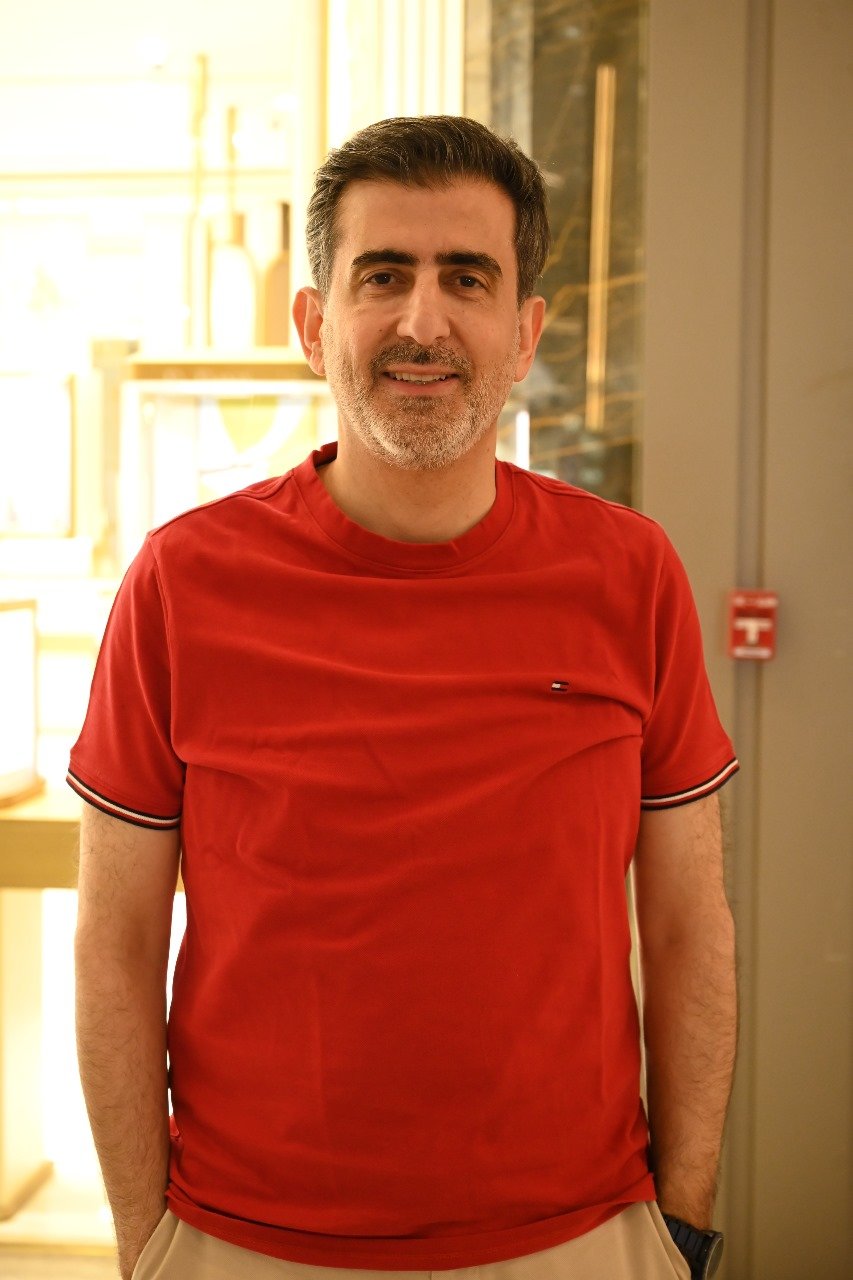
Investment strategist Samer Choucair stated that the world is undergoing a profound reshaping of power dynamics, where the path to leadership no longer runs solely through traditional political institutions, but increasingly through financial corridors—Wall Street, major investment banks, and central monetary systems.
Choucair believes that the rise of figures like Emmanuel Macron in France and Mark Carney in Canada signals the emergence of an era of “financial technocrats,” raising a critical question: is this a temporary trend, or a new global model for running nations like corporations?
—
Macron: Turning the State into an Investment Entity
Choucair pointed out that Emmanuel Macron’s background—beginning his career at Rothschild & Co., where he managed multi-billion-dollar deals—has directly shaped his leadership style.
He explained that Macron’s success in reforming France’s labor market, attracting record foreign investment, and positioning Paris as a European tech hub reflects a mindset closer to that of a CEO than a traditional politician.
Macron, according to Choucair, has managed major crises—from the Yellow Vests movement to the COVID-19 pandemic and geopolitical tensions in Ukraine—with a distinctly investment-driven approach.
—
Mark Carney: The Technocratic Architect of Green Finance
Choucair also highlighted the model of Mark Carney, describing him as an architect of financial stability.
With 13 years at Goldman Sachs and a historic tenure as the first non-British Governor of the Bank of England, Carney represents a leader who thinks like a global economist.
Choucair noted that Carney’s role in steering Canada toward a low-carbon economy and securing its position in global supply chains demonstrates the growing importance of leaders fluent in climate finance and sustainability.
—
The Global Rise of Financial Leaders in Politics
Choucair emphasized that this trend is not isolated.
It extends to figures such as Mario Draghi in Italy, who played a key role in stabilizing the euro; Rishi Sunak in the UK, with his background in Goldman Sachs and hedge funds; Lucas Papademos in Greece; and Michael Bloomberg in the United States.
These leaders share a common strength: the ability to navigate complex financial crises—making them highly valuable in times of inflation, energy disruption, and economic uncertainty.
—
The Three Forces Driving This Shift
Choucair identified three main forces behind the rise of financial leaders in politics:
The growing complexity of the global economy, where political decisions are fundamentally financial
The “era of crises,” requiring skilled crisis managers
The dominance of capital, as nations compete over technology, supply chains, and economic influence
In this environment, those who understand money and power hold the keys to leadership.
—
An Investment Perspective on the Future of Leadership
Choucair concluded that this transformation creates unprecedented opportunities for investors—those who can anticipate policy shifts before they are reflected in markets.
However, he also warned of risks, particularly the rise of elitism and widening social inequality.
He posed a fundamental question for the future:
Is the best leader the one who understands the people—or the one who understands the markets?
Choucair argued that the 21st century may require leaders who can balance both—combining economic growth with social stability.