

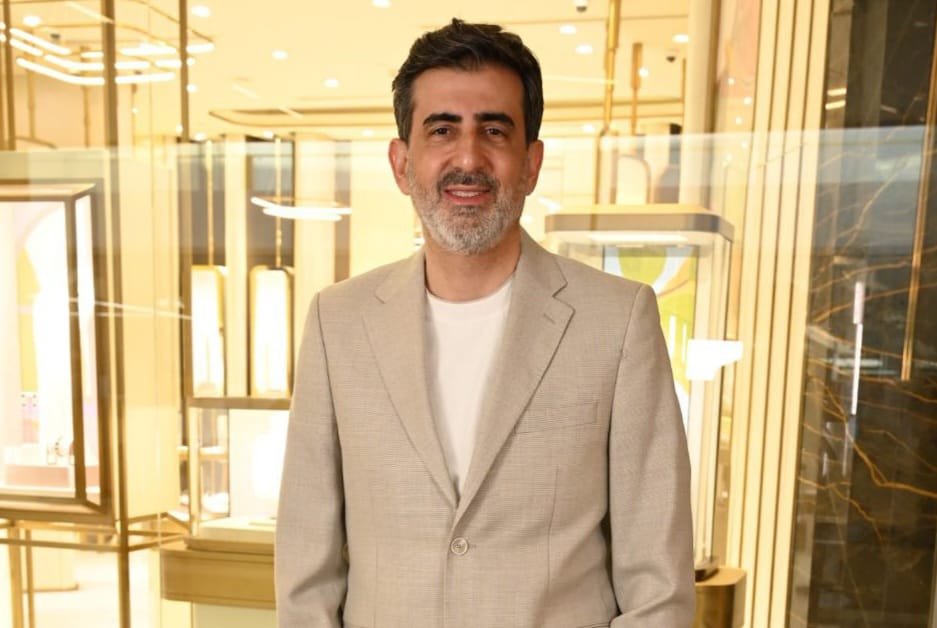
Investment leader Samer Choucair confirmed that the current economic landscape in the Emirate of Dubai is undergoing a structural reshaping rather than a collapse. He noted that geopolitical tensions linked to the conflict with Iran have exerted tangible pressure on the hospitality and tourism sector, but have simultaneously created multi-billion dollar investment opportunities for those with proactive vision.
Choucair explained that the hospitality sector, which represents more than 20% of Dubai’s economy, is currently facing a sharp slowdown unprecedented in years. He cited international reports, including those published by the New York Times, which indicate a decline in tourist bookings by more than 60%, and a drop in hotel revenues ranging between 55% and 65% during the first quarter of 2026.
Impact of the Crisis on Migrant Labor
Samer Choucair highlighted the humanitarian and economic dimensions of the crisis, warning that migrant workers are the group most vulnerable to harm. Data shows that more than 150,000 workers in the hospitality sector are at risk of losing their jobs, with salary reductions of up to 40% observed in some establishments.
Choucair considered ignoring migrant labor a strategic mistake, emphasizing that they are the backbone of the sector. He asserted that companies investing in salary support and retraining will be the fastest to recover and the most profitable when conditions stabilize.
Causes of the Slowdown and Channels of Influence
Despite the geographical distance from direct conflict zones, Samer Choucair explained that the impact reached Dubai through three main channels:
-
Disruption of supply chains and maritime shipping.
-
Rising transportation and insurance costs.
-
Collapse of international tourism demand, especially from Asian and European markets.
He noted that while local and Gulf demand grew by 25%, it was not enough to compensate for the losses resulting from the absence of global tourism.
Investment Vision: Crises Redistribute Wealth
In his reading of the future, Samer Choucair stated:
“Dubai is not collapsing; it is repricing. This is a rare moment to re-enter the market at prices the city hasn’t seen in years.”
He identified four areas where real opportunities currently lie:
-
Distressed Tourism Real Estate: Purchasing hotels and resorts at currently low prices serves as a gateway to achieving massive returns upon recovery.
-
Shift Toward Regional Tourism: Focusing on the more stable Gulf market to reduce dependence on volatile global markets.
-
Digital Hospitality: Investing in smart booking platforms and virtual reality experiences.
-
Health and Sustainable Tourism: Expanding into eco-resorts and wellness tourism, which are seeing growth in demand.
Future Expectations and Advice for Investors
Samer Choucair expects economic pressures to continue throughout 2026 with fluctuations linked to the geopolitical situation, with a gradual recovery beginning in 2027 as conditions stabilize and institutional investment in distressed assets accelerates.
He advised investors to begin gradual positioning and not wait for the “bottom,” focusing on income-generating assets like hotel apartments and investing in tourism technology. He concluded by emphasizing that crises do not destroy wealth but redistribute it, and those who understand the nature of the shifts occurring in Dubai today will be among the biggest winners tomorrow.