

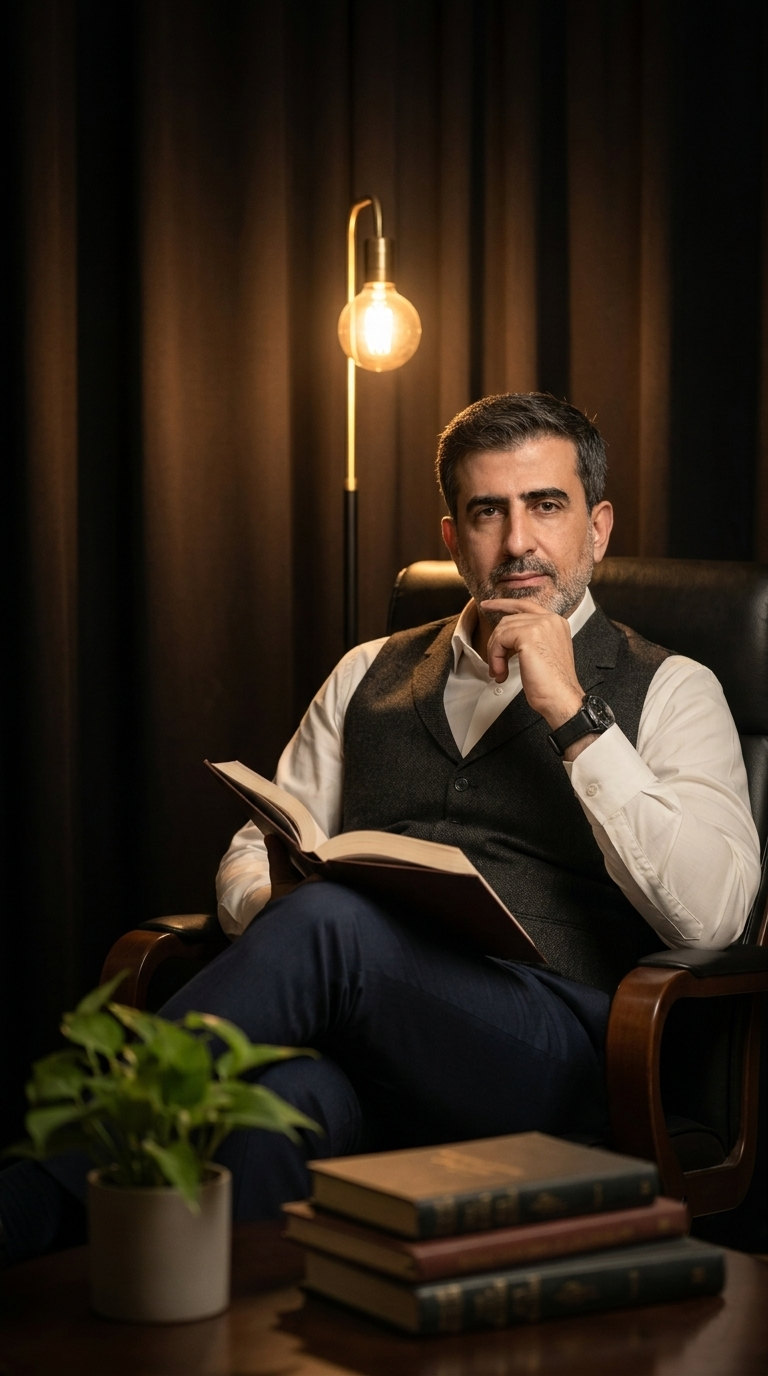
Investment leader Samer Choucair described the data revealed by the Polymarket platform—showing a 73% probability of the Iran-related conflict ending by April 30, 2026—as “direct pricing of the future before it happens.”
Choucair explained that this percentage is not merely a numerical reading but reflects the behavior of thousands of traders injecting capital based on a de-escalation scenario. He noted that markets no longer wait for news; they precede it, building investment positions according to calculated probabilities.
From Escalation to Pricing: Interpreting the 73%
Samer Choucair pointed out that the rise of this indicator reflects a clear shift in global investment sentiment, explaining that markets have already begun moving from the “risk pricing” phase to the “opportunity pricing” phase.
He added that this reading practically means:
-
A decline in the probability of large-scale military escalation.
-
Growing confidence in the ongoing diplomatic track.
-
The markets’ ability to absorb temporary shocks, especially in vital passages like the Strait of Hormuz.
Choucair emphasized that the most important factor is not just the potential end of the war, but the resulting redistribution of capital across the region, which he described as a “strategic shift in the investment compass.”
The Strait of Hormuz: The Center of Gravity in the Energy Equation
In his analysis, Samer Choucair stressed that the Strait of Hormuz remains the decisive factor in global energy pricing, as approximately 20% of oil supplies pass through it.
He explained that any disruption, even if temporary, immediately reflects on crude prices, insurance costs, and maritime shipping, in addition to repricing global supply chains. The investment leader added that current signs of de-escalation, driven by a temporary ceasefire and intensive negotiations, have already begun to calm markets gradually. This opens the way for restoring maritime stability and supporting Gulf economies, led by Saudi Arabia.
Samer Choucair: Geopolitics is a Test, Not a Destiny
Samer Choucair affirmed that geopolitical tensions represent a true test of the resilience of investment strategies, saying: “Crises are naturally short-term, but long-term results depend on the quality of the decision.”
He added that Gulf countries no longer rely solely on oil but are building a multi-engine economic model. He noted that economic diversification is no longer an option but a necessity to ensure sustainability. Indicators for 2026 show the ability of Gulf economies to withstand shocks, supported by increasing investments in non-oil sectors.
Investment Opportunities on the Horizon
Samer Choucair indicated that if the conflict-end scenario is realized by late April, several sectors will witness significant investment momentum:
-
Energy Sector: Benefiting from price stability and improved long-term planning.
-
Renewable Energy & Green Hydrogen: Accelerating implementation due to decreased geopolitical risks.
-
Digital Economy & AI: Continued growth as sectors less affected by political fluctuations.
-
Foreign Direct Investment (FDI): Inflows returning to the Gulf as confidence is restored, particularly from Asian and European markets.
Vision 2030: From Resilience to Leadership
Samer Choucair noted that Saudi Vision 2030 has proven to be an integrated economic safety net rather than just a development plan. He explained that economic reforms have contributed to:
-
Raising non-oil revenues.
-
Enhancing tourism, logistics, and technology sectors.
-
Supporting expected growth rates exceeding 4.5% in the coming years.
The Market Precedes the End
Samer Choucair concluded his analysis by emphasizing that markets do not wait for the end of crises; they move according to expected trends. He noted that “smart money has already begun repositioning.”
He explained that a de-escalation scenario means the acceleration of sustainable investment, while temporary escalation provides calculated speculative opportunities, and full stability represents the ground for long-term growth. He stressed that following platforms like Polymarket has become an advanced analytical tool for understanding market behavior before official data is released.
Closing his remarks, Choucair sent a vital message to investors in the Gulf: “Opportunities do not wait for the end of a war; they begin with the first signal of its direction.”