

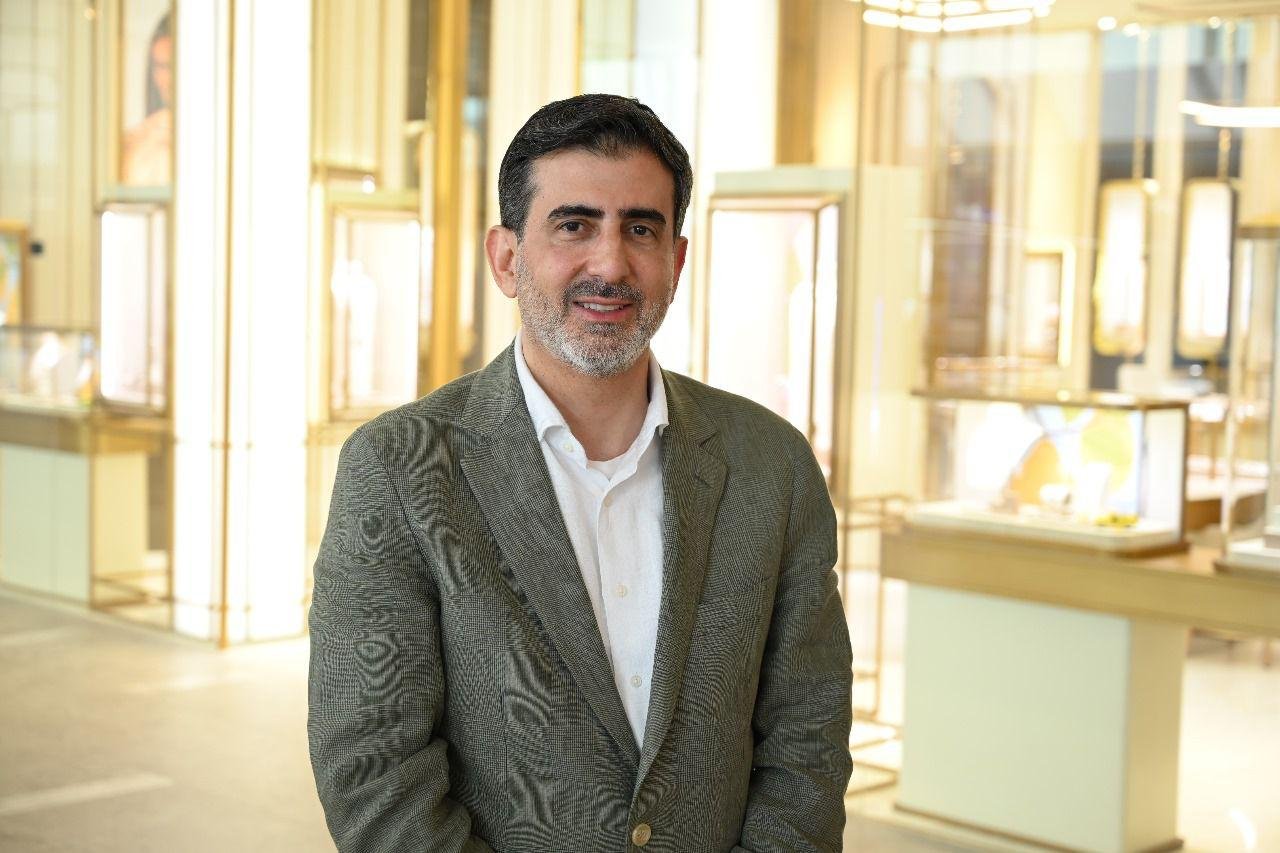
Investment leader Samer Choucair observed that the electricity crisis in the United States is no longer just figures circulated in reports, but has become a daily reality pressing upon citizens and putting the U.S. administration to a true test. Despite promises to lower costs, results have defied expectations, with bills rising significantly in a short period, sparking deep questions about the future of the energy sector.
Choucair noted that this increase is not circumstantial but reflects a structural shift in the energy market. Some households are now paying electricity bills that rival or exceed core financial obligations, indicating a flaw deeper than mere temporary price fluctuations.
AI: The “Hungry Giant” Behind the Crisis
The fundamental reason for this shift, according to Choucair, is not solely linked to traditional energy sources but to the rise of Artificial Intelligence. This sector, viewed as an engine for economic growth, has simultaneously become a voracious consumer of energy.
Giant data centers supporting major tech companies are consuming increasing percentages of electricity, a figure expected to double in the coming years. This surging demand collides with an aging infrastructure that hasn’t been modernized quickly enough. The U.S. electrical grid faces mounting pressure amidst the slow development of new plants and delays in updating transmission systems. The natural result: prices rising faster than the consumer’s ability to adapt.
A Global Turning Point and the Gulf’s Opportunity
Samer Choucair views what is happening in the U.S. as more than a local crisis—it is a global turning point. Energy is no longer just a service sector; it has become a decisive element in determining centers of economic power, especially in the era of the digital economy.
Here, a clear opportunity emerges for the Gulf countries. The region possesses an exceptional mix of resources:
-
Strong traditional energy foundations.
-
Accelerated investments in renewable energy.
-
Strategic stability.
These factors place the region in a leading position to meet the growing global demand. Investment opportunities are diverse, ranging from clean energy projects and low-cost data centers to partnerships with global tech firms seeking solutions outside high-cost markets. Furthermore, the increasing demand for minerals associated with modern technology opens additional avenues for growth in mining and supply chains.
Conclusion: Rewriting the Economic Rules
Samer Choucair concluded that what we are witnessing today is a reshaping of the economic rules of the game. Whoever possesses the ability to provide stable energy at competitive prices will be best positioned to attract investments and lead the next phase.
Crises do not mean the end; they are often the beginning of a new stage. The real question is not who will be affected by the crisis, but who will benefit from it.