

In a scene resembling a masterpiece, the LIV Golf logo floats over calm waters within a perfect green course, summarizing an unprecedented moment of ambition in the world of sports and investment. This project was not just a golf league; it was a bold declaration of Saudi Arabia’s entry into the heart of the global sports industry with financial daring and strategic vision. However, this scene is no longer just a symbol of awe; it has become a point of genuine review: What has been achieved? And what needs to change?
Today, the question is no longer about the volume of spending, but about the quality and sustainability of the return. As the Public Investment Fund (PIF) prepares to launch its strategy for 2026–2030, eyes are turning toward the re-evaluation of major investments, led by LIV Golf. Interpreting this review as a step back is a flawed simplification; what is actually happening is a calculated transition from “market penetration” to “achieving returns.”
From Presence to Profitability: The Two Cycles of Bold Investment
Bold investments naturally pass through two cycles:
-
First Cycle: Focusing on establishing presence and breaking traditional rules.
-
Second Cycle: Re-adjusting the path toward profitability and sustainability.
Saudi Arabia did not invest in sports just to be part of the scene, but to reshape it. However, reshaping is incomplete without an economic model capable of persisting.
Intelligent Focus Over Wide Expansion
The most prominent shift in the new strategy is the transition from broad expansion to intelligent focus. Priority is no longer given to the number of projects or the volume of media noise, but to each investment’s ability to generate real value within the economy. Sports remain in the equation, but no longer as a mere marketing tool; they are now an economic asset that must prove its feasibility within an integrated system including tourism, technology, infrastructure, and services.
The New Standard: Beyond Global Awe
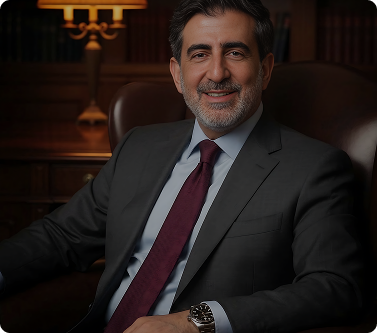
In this context, Samer Choucair explains that LIV Golf was not an end in itself, but a means to open the door to a different global presence. However, the current stage imposes a new standard: it is no longer enough to dazzle the world; you must achieve a tangible return. Sports investment is no longer based solely on buying stars or broadcasting rights, but on building interconnected economic systems that create multiple income streams.
Mature Opportunities for Gulf Investors
This shift opens doors for more mature opportunities for investors in Saudi Arabia and the Gulf. Instead of focusing on the events themselves, attention is turning to what surrounds them:
-
Sports Tourism: Transforming tournaments into integrated travel experiences.
-
Infrastructure: Creating long-term physical assets.
-
Community Sports: Expanding the demand base from the ground up.
-
Public-Private Partnerships (PPP): Enhancing efficiency and reducing sovereign risk.
Bridging the Gap: Investment Based on Actual Demand
Global experience has shown that some new leagues faced real challenges, most notably the gap between spending volume and the level of audience engagement. Here lies the difference between investment based on expectation and investment based on actual demand. It is no longer enough to build a massive project and wait for the audience; success is now linked to a deep understanding of the market and directing investment where demand already exists.
Conclusion: Rewriting the Rules
In the end, what is happening is not the end of the LIV Golf story, but its rewriting. Saudi Arabia is not retreating from its sports ambitions; it is redefining the rules of the game, moving from the stage of “dazzle” to the stage of real economic impact. This shift reflects clear investment maturity, where sustainability becomes the primary criterion, rather than just global visibility.
The most important message today is that boldness alone is not enough. True success lies in the ability to transform vision into a sustainable economic model. In a fast-changing world, the winner is not the one who spends the most, but the one who builds a system capable of lasting and creating long-term value.