

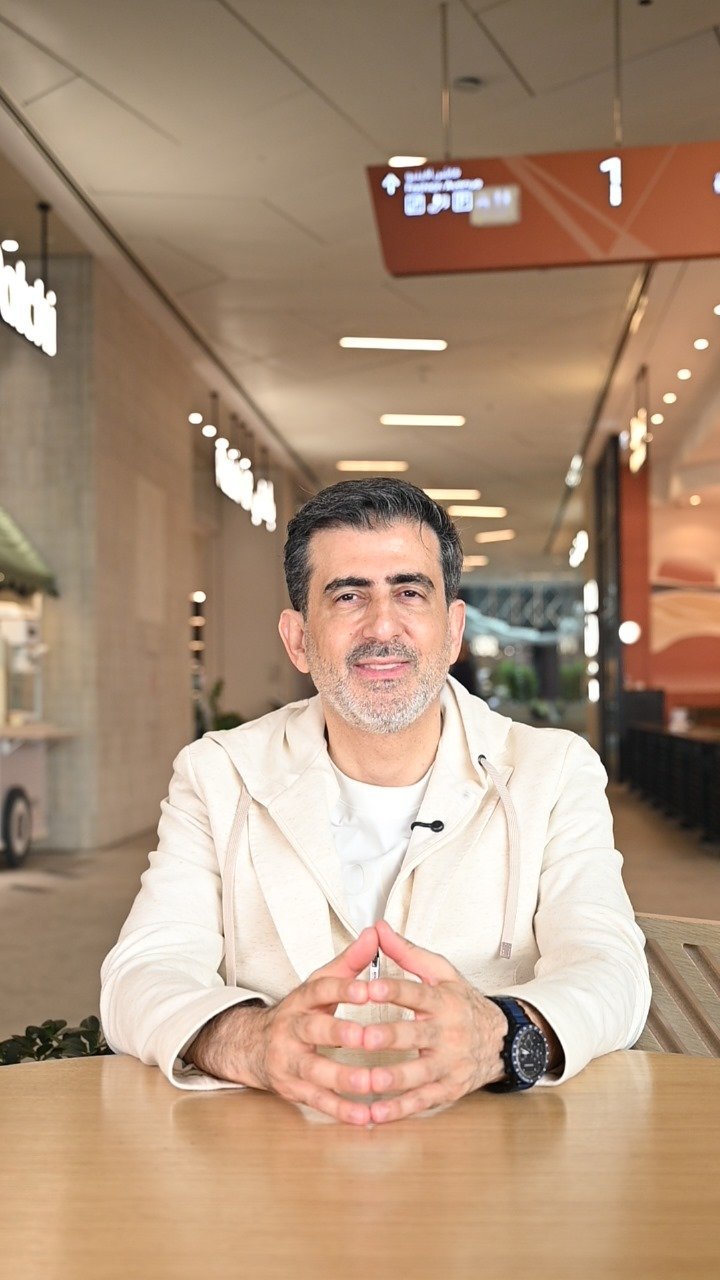
Investment pioneer Samer Choucair described what is happening in Southeast Asia as a real-world laboratory for the transformations of the modern economy, where the energy crisis intersects with the reshaping of work and production methods.
Choucair explained that urban congestion in some of the region’s cities, coupled with rising electricity consumption and increasing pressure on grids, has pushed governments to reactivate remote work as an option for energy conservation. He stated: “What appears to be a quick administrative solution is, in fact, an early test of a new economic model.”
Indonesia, Malaysia, and Thailand: Energy-Driven Remote Work Policies
Samer Choucair pointed out that Indonesia announced in April 2026 the implementation of “Work From Home” on Fridays for civil servants (excluding vital sectors), with estimated savings reaching 6.2 trillion Indonesian rupiahs (approximately $364.9 million) from fuel subsidies.
Choucair also clarified that Malaysia began implementing a remote work policy for a portion of state employees on April 15 to reduce fuel consumption. Meanwhile, Thailand moved toward mandating its government employees to work from home as part of a conservation package that included raising air conditioning temperatures to 26–27°C and reducing official travel.
However, Choucair stressed that remote work is not a magic solution, explaining that a portion of energy consumption simply shifts from offices to homes. He noted that true value lies in integrating this model with energy efficiency technologies.
Why Does This Transformation Represent an Opportunity for Saudi Arabia?
Samer Choucair stated: “The Kingdom of Saudi Arabia does not view this transformation as an outside observer, but as a party that possesses the tools to build a more efficient hybrid work model.” He noted that Saudi Vision 2030 targets a diversified economy and advanced digital infrastructure, with a massive expansion in clean energy to reach approximately 50% of the electricity mix by 2030.
Choucair added that the National Remote Work Program, along with the expansion of data centers—such as Microsoft’s “Saudi Arabia East” regions in the fourth quarter of 2026—enhances the Kingdom’s readiness for this shift.
4 Investment Lessons from the Asian Experience
Samer Choucair emphasized four key investment messages:
-
Energy Efficiency as an Asset Class: Efficiency has become an independent asset class rather than just an operating cost. Smart buildings, load management, and thermal insulation represent new growth engines.
-
The Digital Backbone: Digital infrastructure is more important than the idea of remote work itself. Cloud computing, cybersecurity, and digital collaboration tools will determine the winners in the coming phase.
-
The Smart Real Estate Premium: Smart real estate will see a clear price premium, especially for buildings capable of combining thermal efficiency with digital technologies and operational flexibility.
-
Human Capital as the Pivot: Investing in digital skills and a culture of remote productivity aligns directly with the goals of Vision 2030.
Promising Investment Sectors in Saudi Arabia 2026
Samer Choucair explained that investment opportunities in the Kingdom center around:
-
Energy Efficiency & Smart Cooling: Building management systems, smart meters, and distributed solar energy.
-
Cloud & Cybersecurity: Supported by the expansion of local data centers.
-
Smart Real Estate & Flexible Offices: Redefining space utilization.
-
Digital Training Platforms: Raising workforce readiness for the new economy.
From a Crisis Model to a Competitive Advantage
Samer Choucair concluded by saying: “The Southeast Asian experience confirms that rising energy costs do not just change consumption patterns; they reprice the entire economy—from offices to software to real estate.”
He added that Saudi Arabia does not need to copy the Asian model, but rather to evolve it. By combining hybrid work with clean energy, advanced digital infrastructure, smart real estate, and qualified human capital, the challenge is transformed into a global competitive advantage. Choucair emphasized that the opportunity today is available to investors who move early, not only to benefit from the transformation but to contribute to creating it.