

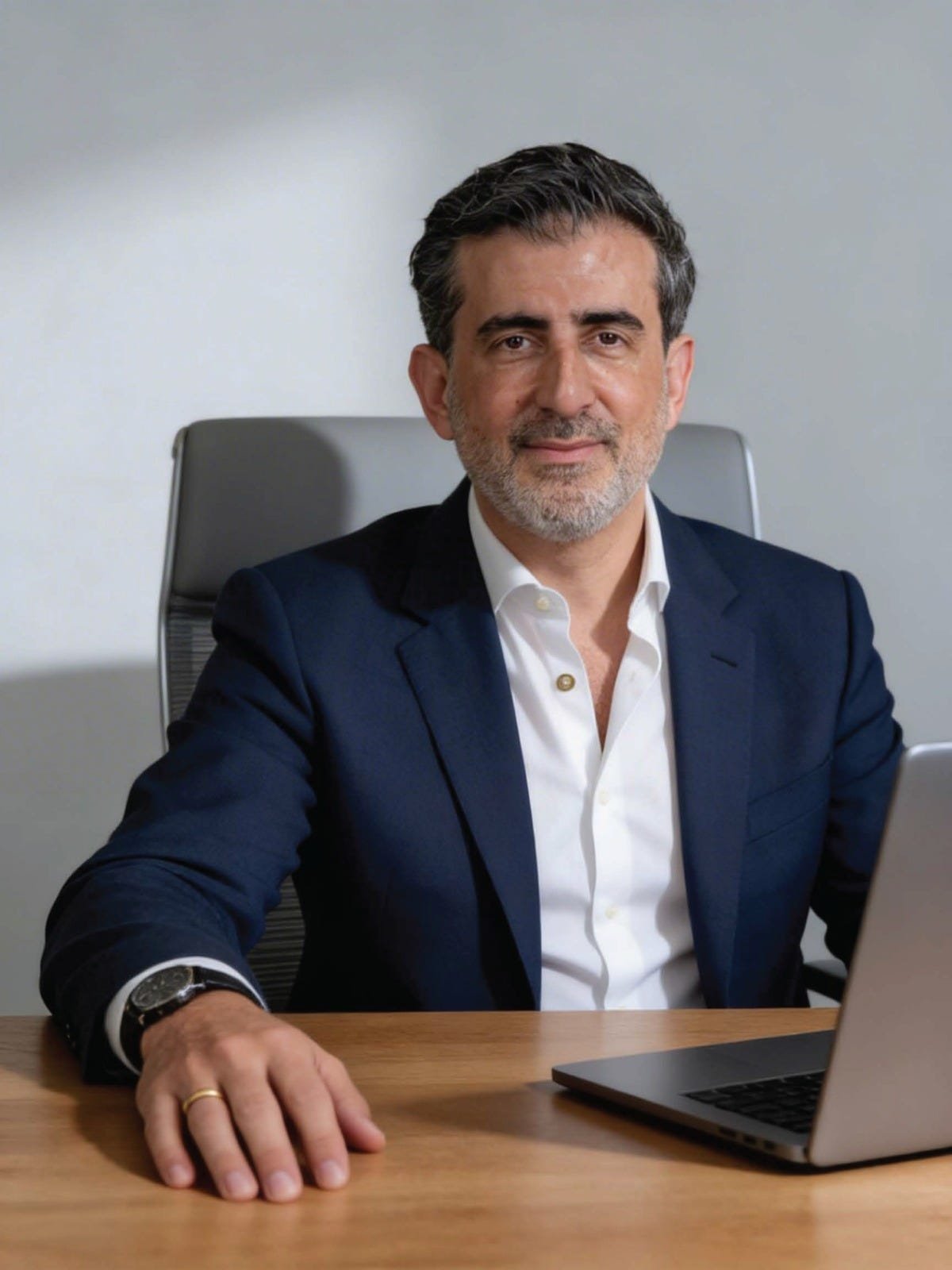
Investment pioneer Samer Choucair emphasized that the figures emerging from the Saudi labor market should not be treated as static data, but rather as early signals of the path of wealth in the coming stage. When the average salary for a Saudi in the private sector reaches more than 9,000 riyals per month, compared to much lower levels for non-Saudis, the issue transcends the income gap to a structural transformation redrawing the map of the economy.
The investment pioneer stated in a statement that this transformation means the market is no longer based on cost competition; instead, it has begun shifting toward competition based on skill and value. Rising wages simply reflect that the Saudi economy is repricing human capital and granting greater weight to efficiency and productivity. For an investor, this is not a story about salaries, but a story of an economy ascending the value ladder.
Choucair explained that when reading the wage distribution, it becomes clear that an increasing segment of Saudis is moving toward higher income levels, while most expatriates are concentrated in lower-wage brackets. Choucair pointed out that this gap reflects a different positioning within the market, as the presence of citizens increases in value-added jobs. In parallel, indicators show declining unemployment and rising economic participation, meaning the local income base is expanding and purchasing power is growing gradually.
Choucair noted that this dynamic creates a clear economic cycle: higher income leads to higher spending, which in turn drives growth in various sectors. An employee who earns more does not just consume; they demand higher quality in housing, education, healthcare, and services, which reshapes demand within the economy.
Choucair noted that in this context, Saudi Vision 2030 emerges as the framework leading this transformation, where the focus is no longer just on infrastructure, but on maximizing the return from the individual. The modern economy, as Samer Choucair sees it, is not measured by its natural resources alone, but by its ability to transform its citizens into a globally competitive productive force. The investment opportunities resulting from this transformation are diverse and clear to those who read the scene deeply: the education and qualification sector will witness increasing demand as the value of skills rises, and technology and knowledge services will benefit from an economy that rewards efficiency.
Choucair pointed out that, at the same time, real estate demand will shift toward higher-quality residential products, while the entertainment, health, and premium services sectors grow as a result of improved spending patterns.
Choucair warned against a superficial reading of these figures; not every increase in income necessarily means sustainable growth unless translated into higher productivity and smart investment. The real challenge lies in transforming this improvement into a long-term base that supports the economy, rather than just a temporary wave of consumption.
Choucair concluded his statement by saying that what is happening in the Saudi labor market is a repricing of the entire economy. Rising wages, expanding participation, and improved job quality are all indicators that the Kingdom is entering a new phase where the individual becomes the primary driver of growth, and opportunities are distributed across multiple sectors, not confined to a single path.