

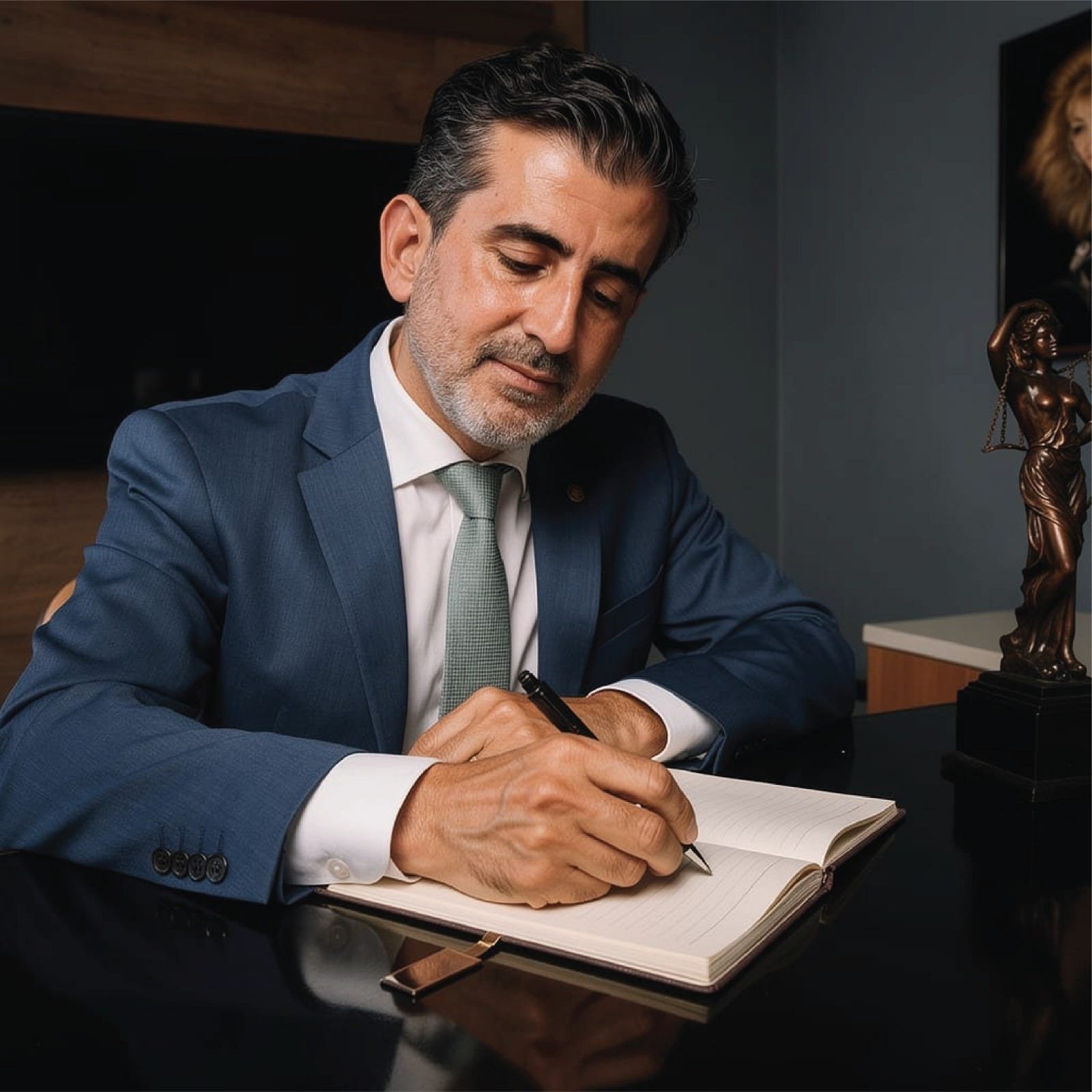
Investment pioneer Samer Choucair stated that the focus is no longer on whether the Saudi financial sector is growing, but rather on the magnitude of undiscovered opportunities within this rapid expansion. He emphasized that the ongoing transformation goes beyond mere numbers to a redefinition of the role of capital in the economy.
Figures Reflecting Deep Restructuring
Samer Choucair explained that recent data reveals a radical shift, noting that banking sector assets rose from approximately 2.63 trillion riyals in 2019 to nearly 4.96 trillion riyals in 2025. Meanwhile, the volume of credit facilities provided by banks and financing companies reached about 3.6 trillion riyals by 2025.
Samer Choucair added that institutional ownership in the main market reached 95.37% in 2025, compared to 86.91% in 2016. This reflects—in his description—the market’s transition to a more mature and stable phase. He stressed that these indicators are not just statistics, but clear evidence of an economic restructuring that makes the Kingdom an attractive regional financial center for strategic investments.
From Financial Intermediary to Growth Engine
Samer Choucair explained that the financial sector is no longer just a traditional funding channel, but has transformed into a platform for managing and directing economic growth. He stated: “What is happening today is not traditional banking growth, but a complete reshaping of the role of money within the Saudi economy.”
Liquidity: The Fuel for Vision Execution
Samer Choucair pointed out that the banking sector’s assets reaching levels near 5 trillion riyals reflects an unprecedented financing capacity. This capacity is used to support major projects such as NEOM, Qiddiya, and Special Economic Zones, alongside financing infrastructure, tourism, and new industries.
Samer Choucair describes this by saying: “We are facing the building of a liquidity machine capable of financing an economic transformation the size of a continent.” He clarified that this liquidity represents the real fuel for executing Vision 2030 with efficiency and speed.
A More Stable and Attractive Institutional Market
Samer Choucair affirmed that the rise in institutional ownership to 95.37% reflects the market’s transformation into a more stable and less volatile investment environment. He added that the Qualified Foreign Investor (QFI) reforms played a pivotal role in turning the market into a strategic platform that attracts sovereign funds and global institutions, rather than being just a short-term trading arena.
Credit as a Tool for Distributing Growth
Samer Choucair noted that the growth of credit facilities from 2.13 trillion riyals in 2021 to 3.6 trillion riyals in 2025 reflects the maturity of the private sector. He indicated that this liquidity supports small and medium enterprises (SMEs), real estate developers, and projects directly linked to Vision 2030. He added that what we are witnessing is not just an expansion in lending, but an intelligent distribution of growth across various sectors of the economy.
Fintech: The Next Turning Point
Samer Choucair emphasized that 2026 will witness the financial sector’s transition to a new phase where traditional finance meets technological innovation. He explained that Embedded Finance, AI-powered lending, and digital payments will be among the most prominent value drivers. He added that the next true value will be created at the intersection of traditional finance and Artificial Intelligence.
Saudi Arabia as a Rising Regional Financial Hub
Samer Choucair pointed out that this transformation strengthens the Kingdom’s position as a competitive regional financial center, supported by the presence of more than 600 regional headquarters for global companies, alongside deep regulatory reforms and abundant liquidity. This makes it an attractive destination for regional and international capital.
Qualitative Investment Opportunities in 2026
Samer Choucair identified the most prominent investment opportunities, explaining that they are concentrated in:
-
Fintech: Especially digital payments, digital lending, and digital banks.
-
Asset Management: Including equity funds and private investment linked to Vision projects.
-
Real Estate Finance: As one of the largest beneficiaries of credit expansion.
-
Asset Tokenization: Which allows for converting traditional assets into digital liquidity and expanding the investor base.
The Financial Sector Leads the Economy
Samer Choucair concluded by emphasizing that the financial sector is no longer just a supporter of the economy, but has become its leader, given the availability of massive liquidity, a sophisticated institutional market, deep regulatory reforms, and rapid integration with technology.
Samer Choucair clarified that Saudi Arabia today is no longer just an emerging market, but a rapidly forming global investment platform. He added that opportunities are no longer measured by market size, but by the speed of transformation. “Those who realize this now will lead the way, and those who lag behind will find themselves chasing a reality that was already crafted in 2026.”