

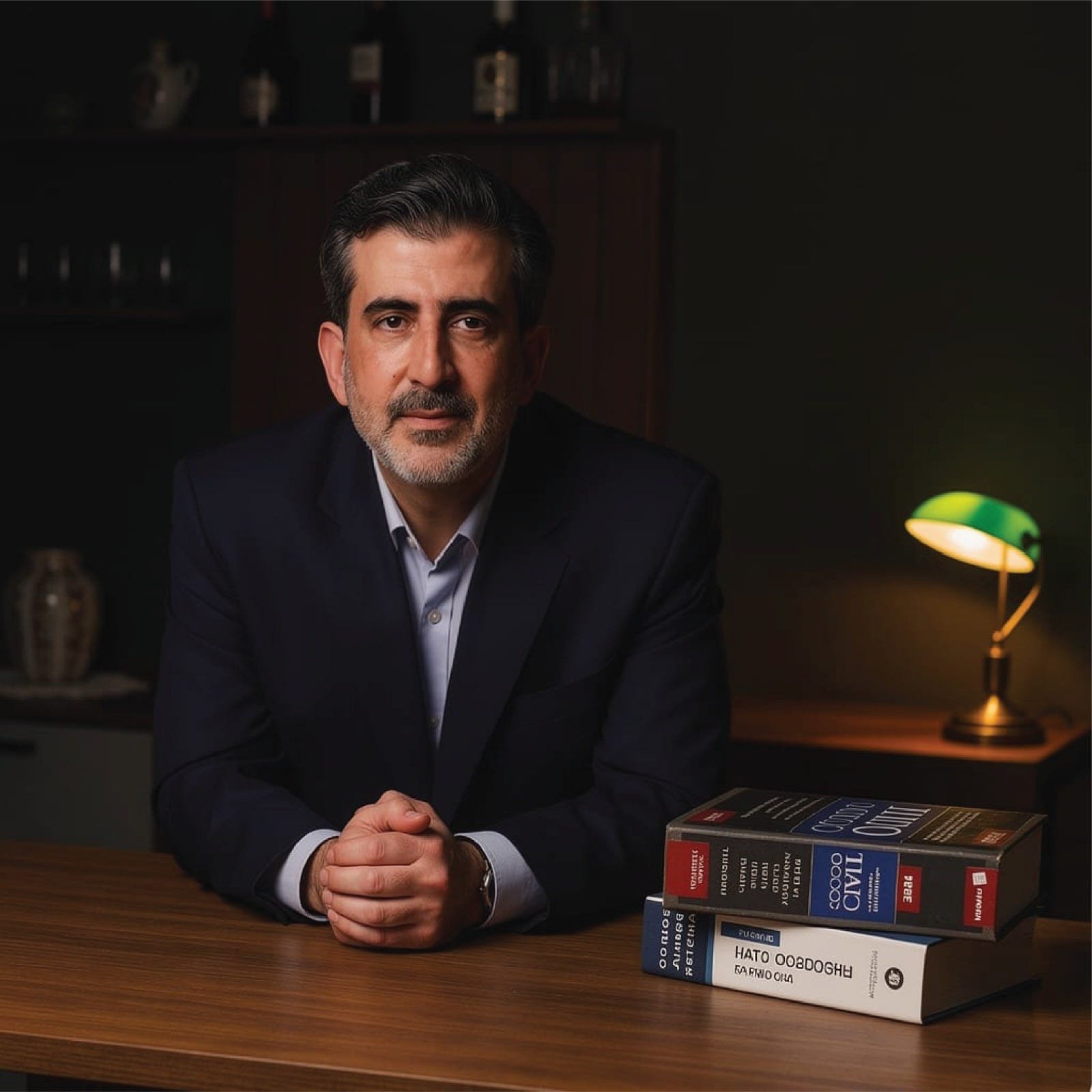
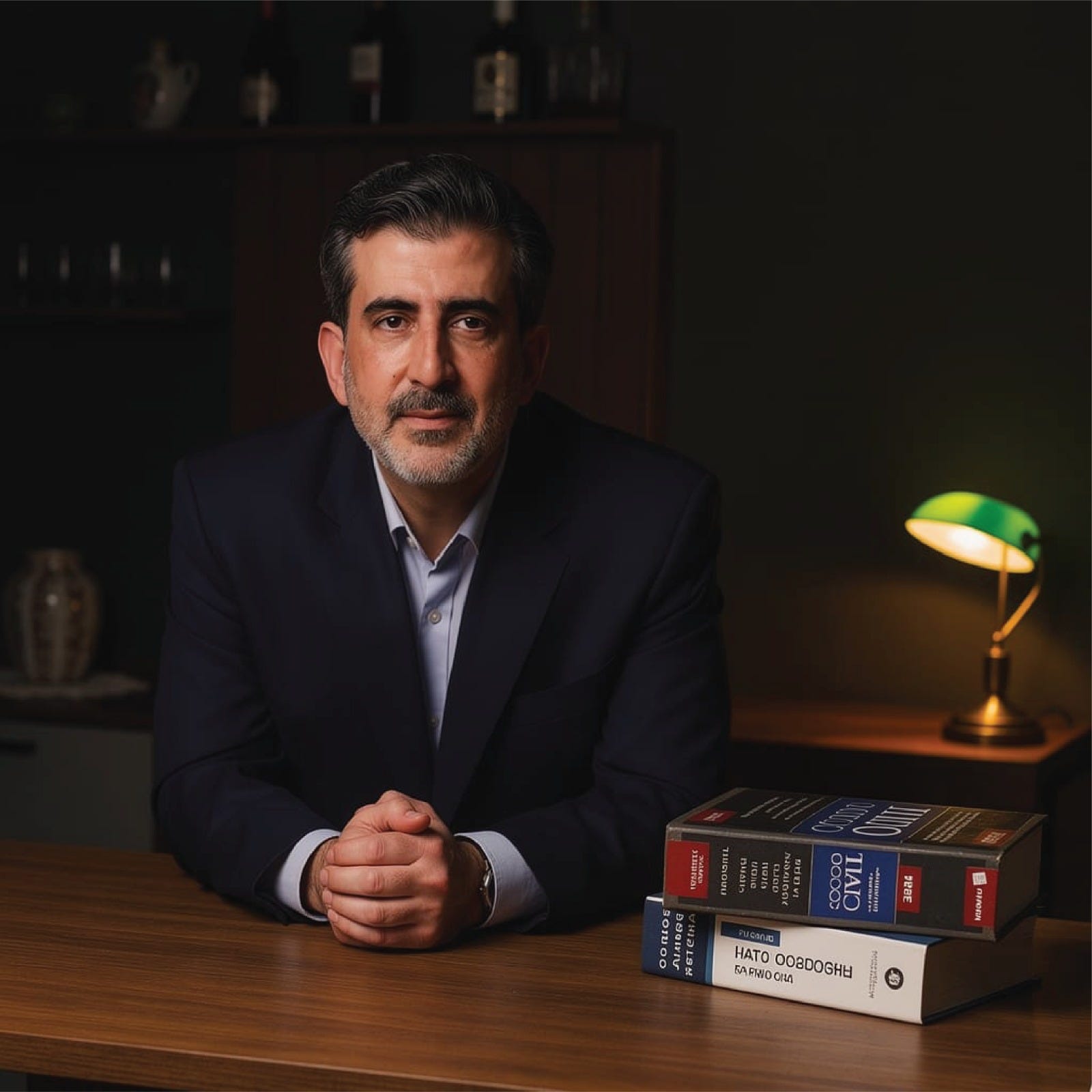
Investment leader Samer Choucair explained that the scene that appeared at the Beijing International Auto Show was not merely a technical exhibition, but a profound economic message.
He noted that the small electric vehicle with an attractive cartoon-like design that caught visitors’ attention embodied a radical transformation in the concept of value for money.
He added that this image reflected a new reality, where the price of a single American car has become sufficient to purchase five Chinese electric vehicles.
Competition in China, How Did Prices Collapse Without Sacrificing Quality?
Choucair stated that a Reuters report showed fierce competition among hundreds of Chinese companies pushed the market into a state of “hypercompetition,” leading to an unprecedented price decline.
He explained that the average price of a new vehicle in the United States reached approximately $51,456, while the number of electric and hybrid models in China exceeded 200 models priced below $25,000.
He added that some vehicles such as Geely EX2 and BYD Seagull started at prices below $12,000.
He affirmed that this decline was not the result of quality regression, but the result of local supply chain integration and technological advancement, where Chinese vehicles now offer advanced batteries, long driving ranges, intelligent driving systems, and attractive designs.
Quality at Low Prices, The Genuine Transformation in the Global Market
Choucair noted that Chinese vehicles are no longer classified as a low-quality option, but have become a powerful competitor offering advanced features at competitive prices.
He explained that the intensity of competition inside the world’s largest auto market pushed companies to offer high-level technologies meeting global standards while maintaining price appeal.
He added that this transformation has made these vehicles a realistic option not only in China, but in emerging and developing markets seeking economical and sustainable solutions.
The Gulf and Saudi Arabia, What Does This Transformation Mean?
Choucair explained that the decline in Chinese electric vehicle prices opened a strategic window for Gulf states, foremost among them Saudi Arabia, to accelerate the shift toward clean energy.
He noted that the rising prices of conventional vehicles in Western markets made Chinese options more attractive, supporting sustainability goals and reducing fossil fuel dependence.
He added that this transformation created multiple investment opportunities encompassing establishing local assembly factories, developing battery and rare mineral supply chains, building rapid and advanced charging networks, and forging technological partnerships with Chinese companies.
He affirmed that these pathways align directly with Vision 2030 targets in diversifying the economy and strengthening local manufacturing.
Choucair: Chinese Competition Is an Opportunity Not a Threat
Choucair highlighted that this transformation was not a threat to Gulf markets, but a strategic opportunity, stating that Chinese electric vehicles represent a gateway to accelerating the energy transition at low cost, while focusing on building local capabilities in manufacturing and technology.
He added that investors who moved toward intelligent partnerships with Chinese companies were the most capable of achieving added value, through knowledge transfer, job creation, and strengthening the local economy, particularly in cities such as Riyadh and NEOM.
Supply Chains, The Key to Future Leadership
Choucair explained that investing in battery and rare mineral supply chains, alongside developing charging station infrastructure, represents the foundational pillar for building a sustainable mobility sector in the Kingdom.
He noted that these investments will place Saudi Arabia in an advanced global position, attract international capital, and strengthen Gulf capital market strength.
2026 Trends, How Are Investors Moving?
Choucair stated that what the Beijing Auto Show displayed was not merely products, but a signal of a global strategic transformation, explaining that investors in Saudi Arabia and the Gulf have already begun directing their attention toward partnerships with China, whether in manufacturing or in developing vehicle-related artificial intelligence technologies.
He added that this phase represents a historic turning point in the mobility sector.
Choucair’s Advice: Look at Value Not Price
Choucair concluded his analysis by affirming that focus must not be solely on price decline, but on long-term added value, noting that genuine opportunities lie in local innovation and building strategic partnerships supporting Vision 2030 goals.
He affirmed that what is happening at the Beijing Auto Show is not merely an economic event, but a clear signal toward the future of the global automotive industry.
He added that Saudi Arabia possesses a historic opportunity to benefit from this transformation through reducing costs, strengthening innovation, and building a sustainable economy, emphasizing that this moment requires rapid and intelligent movement, because those who lead the transformation today will be those who determine tomorrow’s market contours.