

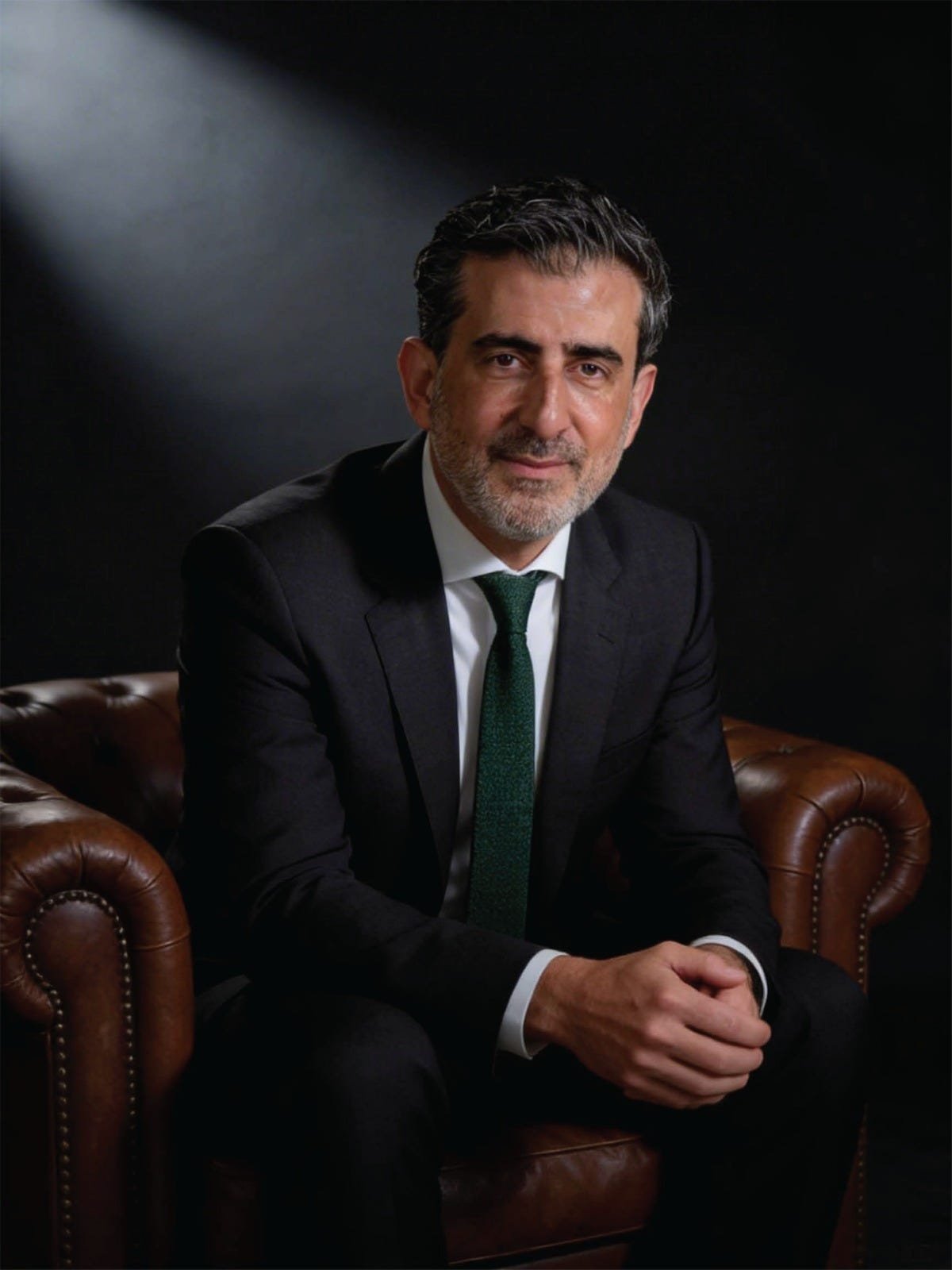
Investment pioneer Samer Choucair explained that the announcement of Saudi Real Estate Investment Traded Funds (REITs) distributions on April 28, 2026, was not merely routine news, but a structural signal reflecting the evolution of the Saudi capital market. Choucair pointed out that the continued flow of liquidity, albeit with higher selectivity, reflects a new phase of smart investment within the Kingdom.
Distribution Figures: Stability in a Changing Global Environment
Samer Choucair noted that market data showed:
-
Al Rajhi REIT: Distribution of 0.13 riyals per unit (approximately 1.3%).
-
Mulkia REIT: Distribution of 0.08 riyals per unit (approximately 0.8%).
Choucair explained that these figures, despite their apparent simplicity, reflect the stability of income flows in a sector globally affected by interest rate fluctuations.
Choucair: REITs Today Sit in the “Golden Zone” Between Assets
Samer Choucair emphasized that the importance of REITs in 2026 lies not only in the yield but in the quality of the yield. Choucair stated: “Stocks rely on growth with high volatility, and bonds provide stability but with limited returns; however, REITs combine stable income with trading and liquidity.” Choucair added that this is what places REIT funds in Saudi Arabia within the “golden investment zone” currently.
Structural Transformation: From Traditional Real Estate to a Traded Financial Asset
Samer Choucair explained that the Saudi market is witnessing what he described as the “Financialization of Real Estate,” which is the transformation of real estate from a fixed asset into a tradable financial instrument. Choucair pointed out that this transformation aligns with the Qualified Foreign Investor (QFI) program, the development of financial governance, and the deepening of the Saudi stock market (Tadawul).
REITs and Giga-Projects: An Integrated Economic Cycle
Samer Choucair explained that REIT funds are not isolated from Vision 2030 projects, but are directly linked to giga-projects such as NEOM, Diriyah, and the Qiddiya project. Choucair noted that these projects generate demand, while REIT funds convert this demand into continuous investment income.
Choucair: Not All REITs are Created Equal
Samer Choucair emphasized that distinguishing between funds has become necessary, explaining that the best performers are those linked to: “logistics assets, the hospitality sector, and high-demand strategic locations.” Choucair added that real return is not measured by distributions alone, but by “growth in Net Asset Value (NAV)” and income sustainability.
2026 Trends: Where Do Opportunities Lie?
Samer Choucair explained that the future of REITs in Saudi Arabia will be determined by four main drivers: “tourism growth and increased hotel occupancy, the expansion of the logistics and e-commerce sector, the relocation of companies to the capital Riyadh, and the growth of mixed-use assets.”
Risks: A Realistic Market Reading
Samer Choucair pointed to the presence of some challenges, including: “the impact of high interest rates on valuations, leverage levels in some funds, and the sensitivity of income to real estate rental cycles.” However, he confirmed that the Saudi market currently enjoys strong structural demand that mitigates these risks.
Choucair’s Strategy: Building a Balanced Portfolio
Samer Choucair presented an investment model to achieve balance:
-
40% REIT funds.
-
30% Growth stocks.
-
20% Alternative assets.
-
10% Cash liquidity.
Choucair explained that the goal is to combine stable income with capital growth.
REITs as an Indicator of Saudi Market Maturity
Samer Choucair concluded his analysis by emphasizing that REIT distributions in 2026 do not merely represent periodic returns, but reflect the Saudi market’s transition to a “smart income” phase within a broader development led by Vision 2030. Choucair stressed that the successful investor at this stage is the one who understands the quality and sustainability of the yield, not just the one chasing the highest distribution percentage, noting that the Saudi market is entering a more mature stage of investment screening.