


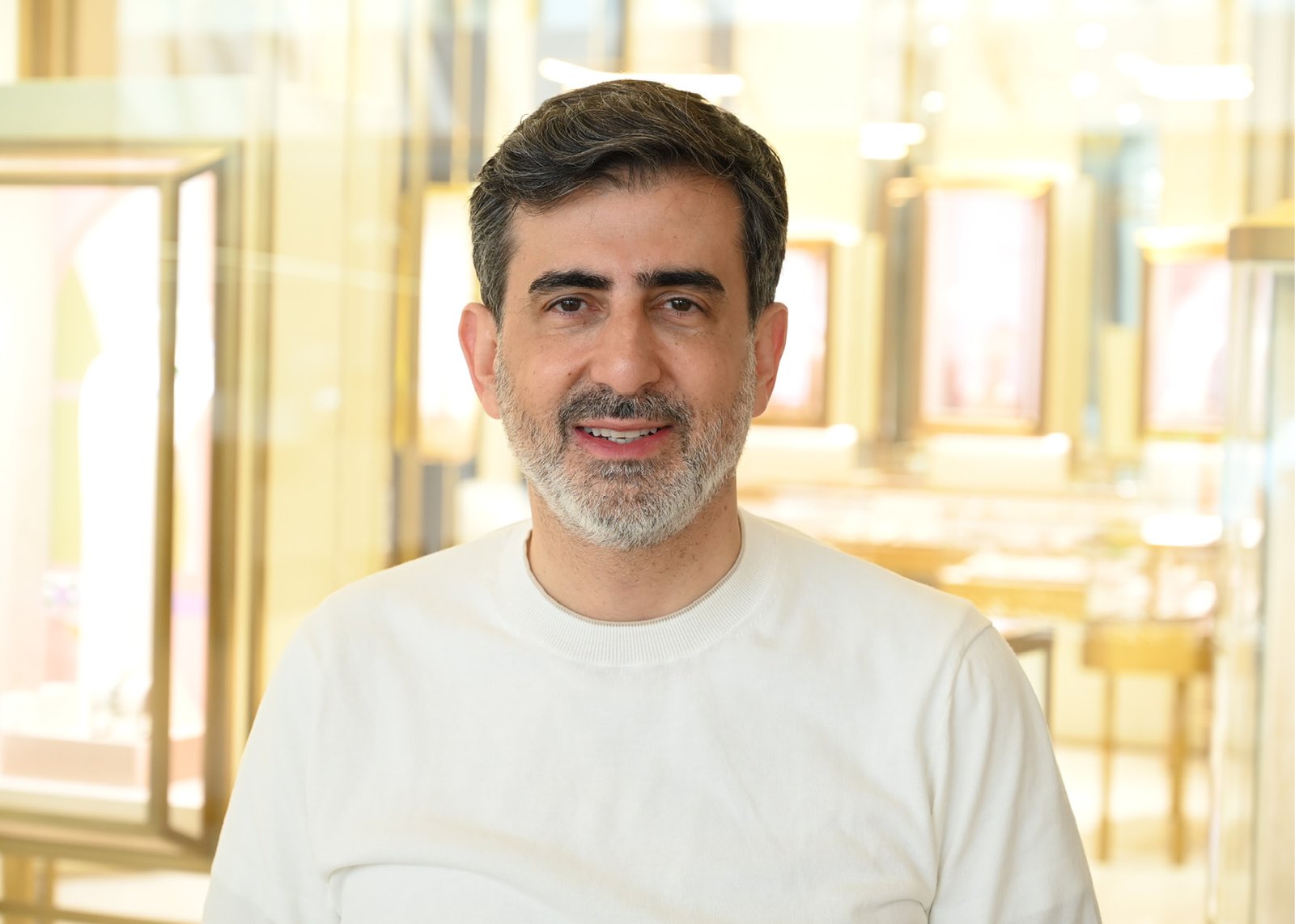
Digital Economy Drives a Modern Investment Revolution
Investment pioneer Samer Choucair has released an extensive analytical report outlining the economic roadmap for 2026, emphasizing that global markets are undergoing a structural transformation reminiscent of a modern-day “gold rush.” According to Shuqair, “smart money” is shifting from major tech corporations toward sectors forming the backbone of artificial intelligence, cloud infrastructure, and the broader digital economy.
Choucair highlighted that this transformation is not only technological but also economic, as investment flows increasingly target sectors with high scalability and long-term growth potential. The shift reflects a broader trend where digital platforms, AI-driven services, and high-tech manufacturing are becoming central drivers of global wealth creation within the digital economy.
He explained that investment success today depends on understanding the principle of “from the part to the whole,” where specific niche sectors collectively drive the momentum of a global market valued in the trillions of dollars. Strategic allocation across emerging technologies ensures that investors capture the full spectrum of opportunities fueling the digital economy.
Strategic Analysis Pillars for 2026
Cloud and Quantum Infrastructure
shuqair asserts that the cloud computing sector, led by Nebius Group, now accounts for 40% of growth in the global AI market. He forecasts that the group’s revenues could expand by up to 521% during 2026.
Quantum computing, represented by Rigetti Computing, is emerging as a catalyst for accelerated innovation within the advanced computing market, currently valued at $1.3 trillion. By enabling faster computation and complex simulations, quantum technologies are expected to enhance AI research, cybersecurity, and financial modeling, strengthening the foundation of the digital economy.
Investors are encouraged to explore both public and private investment opportunities in these sectors, as they are likely to deliver outsized returns and drive long-term economic transformation.
The Revolution of High-Speed Communications and Data
Choucair noted that AST SpaceMobile contributes roughly 15% to the global telecommunications market by enabling satellite-based connectivity in remote and underserved regions. Credo Technology underpins 25% of global data infrastructure, while Ciena Corp provides essential data transport solutions powering AI networks within a $6 trillion global market.
These high-speed communication networks and advanced data solutions are integral to the digital economy, supporting everything from cloud computing to AI-driven analytics. They ensure seamless connectivity, reduce latency in global transactions, and enable businesses to harness data as a strategic asset.
Choucair emphasized that companies investing in high-speed communications are positioning themselves at the forefront of technological leadership in the digital economy.
Raw Materials: The Backbone of Modern Industry
In the mining sector, Shuqair emphasized Coeur Mining’s supply of nearly 20% of critical metals required for electronics, with high silver prices amplifying market significance. Alcoa Corp supports the electric vehicle and energy grid sectors through aluminum production, with growth projections reaching 153%.
These raw materials are crucial for sustaining the digital economy, as advanced electronics, renewable energy systems, and AI hardware all rely on consistent access to high-quality metals. Choucair stressed that strategic investment in these foundational sectors provides long-term stability and hedges against supply chain disruptions.
Investors integrating raw material exposure into diversified portfolios are better positioned to capitalize on the ongoing industrial and technological revolution.
Digital Memory, Advertising, and Real Estate
Micron Technology provides 30% of the global memory chips required for AI systems, while The Trade Desk controls 25% of the global advertising market in the post-cookie era.
In real estate, MAB Holdings (MAB1) is positioned as a “sleeping pick” amid the UK housing market recovery. Real estate remains a key component of the digital economy, as digital platforms increasingly rely on data centers, smart infrastructure, and commercial spaces optimized for technology deployment.
These sectors collectively drive innovation, provide essential digital services, and ensure that the digital economy continues to scale efficiently across industries.
A Forward-Looking Investment Philosophy
Concluding his outlook, Choucair stated:
“We are not merely investing in stocks; we are investing in the engines that will make the world function in 2026. The transition from technological hype to physical execution separates ordinary investors from strategic ones.”
He recommended rebalancing portfolios so that at least 50% is allocated to foundational sectors, ensuring long-term sustainability and growth aligned with the digital economy.
Choucair further highlighted the importance of monitoring emerging technologies, geopolitical trends, and industrial shifts to adapt investment strategies in real time. Strategic, forward-looking investors who prioritize critical infrastructure, AI development, and digital services are most likely to thrive in the evolving digital economy.