


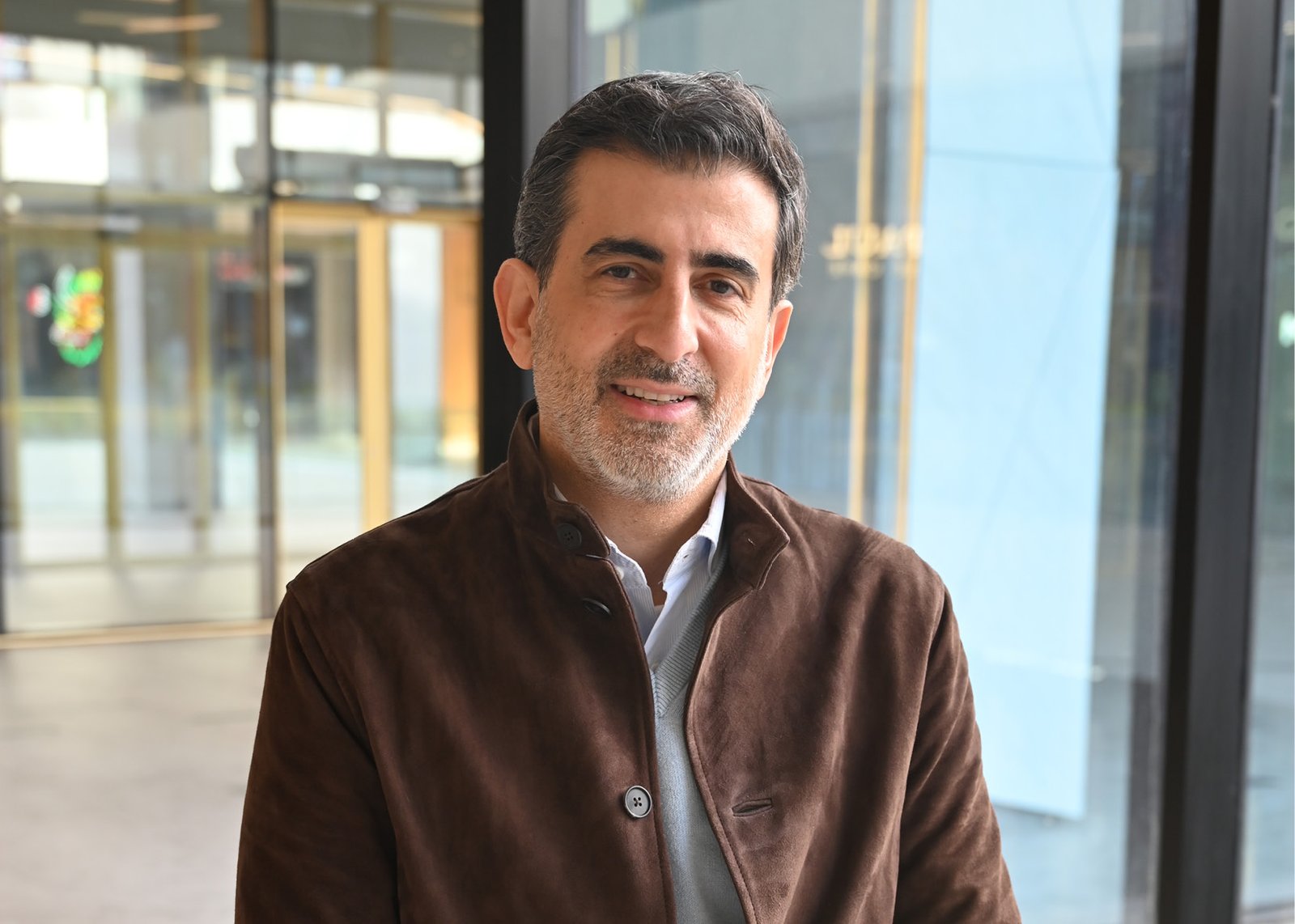
Saudi Arabia’s Structural Shift and Digital Transformation
Investment pioneer Samer Choucair affirmed that Saudi Arabia is undergoing an unprecedented structural transformation that extends far beyond its traditional oil-based economy. This shift is driven by an ambitious digital transformation strategy aimed at positioning the Kingdom as a global technology leader and reducing its dependence on النفط كمصدر رئيسي للدخل.
According to Choucair, Saudi Arabia is emerging as a third global technological force, challenging the long-standing dominance of the United States and China in the global technology landscape. This transformation is not فقط استثمار في التكنولوجيا، بل إعادة تشكيل شاملة للاقتصاد الوطني. Massive investments in artificial intelligence are expected to contribute more than $135 billion to the Saudi economy by 2030, representing approximately 12.4% of GDP and reinforcing the country’s commitment to digital transformation as a core pillar of future growth.
He added that this shift is supported by government reforms, regulatory flexibility, and strong institutional backing, which collectively create a favorable environment for innovation, entrepreneurship, and foreign investment.
Strategic Vision and Technological Leadership
Choucair noted that the launch of HUMAIN in May 2025, chaired by Mohammed bin Salman and wholly owned by the Public Investment Fund, represents a cornerstone of this transformation journey. The initiative reflects a long-term vision aimed at positioning Saudi Arabia at the center of the global digital transformation landscape.
He described HUMAIN as an integrated technological ecosystem built on four main pillars that support Saudi Arabia’s digital transformation goals:
Advanced data center infrastructure
Scalable cloud platforms
Proprietary AI models, including what is expected to become the world’s largest Arabic-language model
Transformational AI-driven solutions for government and industry
This ecosystem is designed not only to support local demand but also to position Saudi Arabia as a regional hub for digital services and advanced computing. Choucair emphasized that such initiatives enhance national competitiveness and attract global technology companies seeking expansion in emerging markets.
Phased Development and Global Partnerships
Choucair outlined HUMAIN’s development stages, which demonstrate ambitions extending beyond regional influence and strengthening Saudi Arabia’s role in global digital transformation.
Infrastructure Expansion (2025)
The company plans to build data centers with a total capacity of 6 gigawatts by 2030, supported by strategic partnerships with NVIDIA and Qualcomm in agreements valued at $86.25 billion. These partnerships aim to localize computing power, reduce reliance on external infrastructure, and position the Kingdom as a key player in global data processing and AI capabilities.
Software and Platform Innovation
HUMAIN is developing HUMAIN OS, described as the first native operating system built around AI agents outside the US–China axis. The system has already begun implementation across government entities, accelerating national digital transformation efforts and improving operational efficiency across public sectors.
International Expansion and Investment
In January 2026, HUMAIN secured $1.2 billion in funding to expand its infrastructure. Additionally, Saudi Arabia invested $3 billion in xAI, founded by Elon Musk, further strengthening its position in global technology markets. These moves reflect a strategic approach to integrating into the global digital transformation ecosystem while maintaining local technological sovereignty.
Golden Opportunities for Investors
From an investment perspective, Choucair emphasized that this large-scale digital transformation is creating significant opportunities for forward-looking investors seeking exposure to high-growth markets.
Foreign ownership in Saudi equities has increased to between 11% and 12%, supported by regulatory reforms that facilitate foreign investment and improve transparency and governance standards. This shift signals growing international confidence in the Saudi market as a destination for long-term capital.
Choucair stated:
“The Saudi market is currently undergoing a strategic investment rebalancing phase. The greatest fortunes are built during quiet transformation periods—long before they become widely celebrated realities.”
He also noted that CEO readiness to adopt artificial intelligence in Saudi Arabia has reached 84%, exceeding the global average of 76%. This indicates a strong institutional willingness to embrace innovation, making the Kingdom a fertile ground for startups, venture capital, and technology-driven investments within the broader digital transformation ecosystem.
The Future of the Digital Economy
Choucair concluded by highlighting that the Saudi AI market is projected to grow at an annual rate of 43.1% through 2030, driven by continuous investment in infrastructure, talent development, and advanced technologies. This growth reflects a broader shift toward a knowledge-based economy centered on innovation and digital capabilities.
With plans to list HUMAIN on both the Saudi stock exchange and NASDAQ within the next four years, Saudi Arabia is not just diversifying its economy—it is building a globally competitive digital transformation model capable of attracting international investors and technology leaders.
The Kingdom aims to establish itself as a leading hub for computing infrastructure and digital innovation, creating over 200,000 jobs and significantly increasing the contribution of technology sectors to GDP. This aligns closely with the objectives of Saudi Vision 2030, which seeks to position Saudi Arabia as a global center for innovation, investment, and sustainable economic growth driven by digital transformation.