

Fitch Ratings has placed eight major Qatari banks under Negative Rating Watch, following a review of Qatar’s sovereign rating. This move has reignited investor concerns about potential risks in the Gulf banking sector.
Context Matters: Beyond the Surface
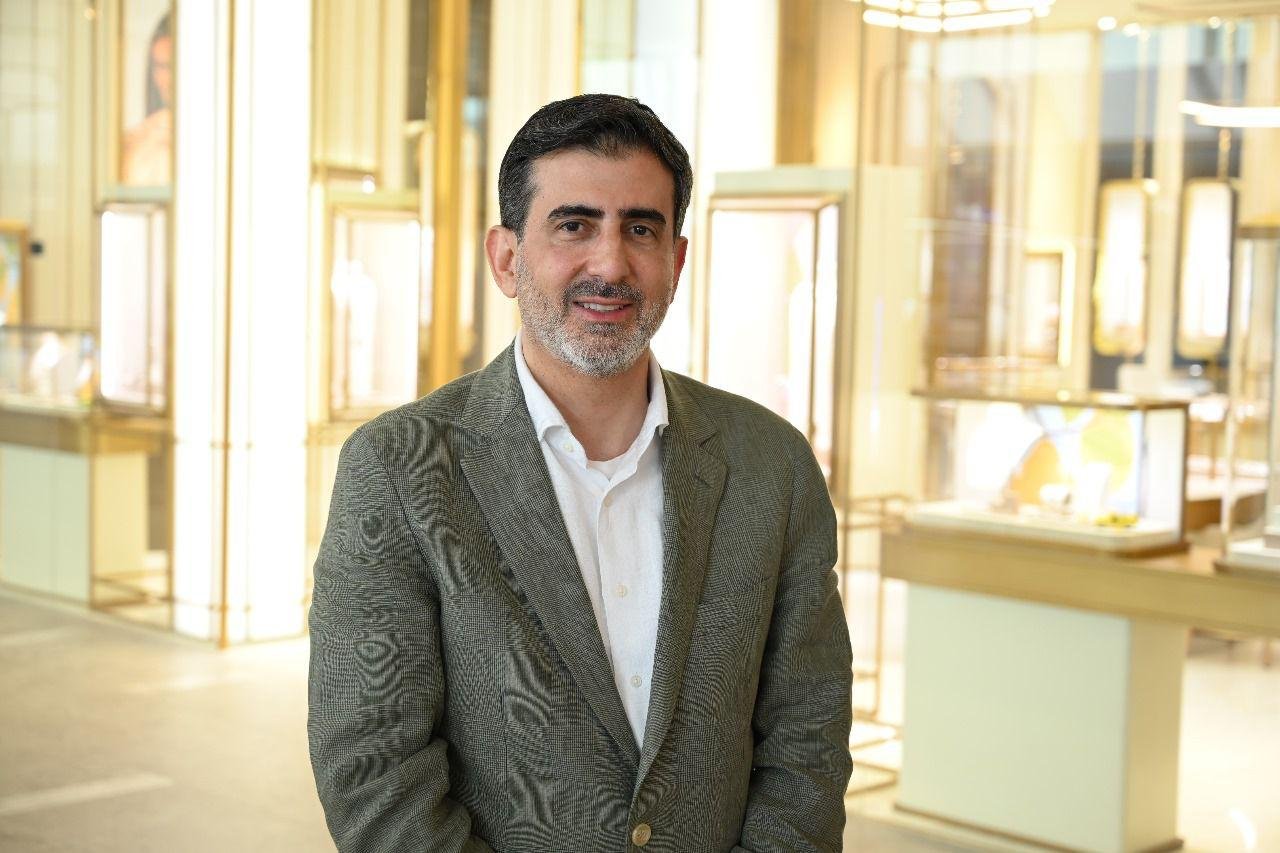
In this context, investment leader Samer Choucair stated:
“The decision cannot be analyzed in isolation from Fitch’s historical approach, which often links bank ratings to the strength of the supporting sovereign, not just their operational performance.”
Fitch’s Track Record: History Repeats Itself
Samer Choucair explained that what is happening today is not unprecedented.
During the 2008 global financial crisis, Fitch took similar actions, placing major banks under rating pressure due to mortgage market instability and liquidity shortages.
He added that during the European debt crisis, banks in Italy, Spain, and Greece were affected due to their close ties to sovereign debt.
Even in the Gulf region, similar adjustments occurred during:
- The oil price downturn (2016–2017)
- The COVID-19 pandemic (2020)
He emphasized that:
“Fitch does not target banks as independent entities; it typically reacts to changes in sovereign credit conditions.”
Qatari Banks Under Scrutiny
The banks placed under Negative Watch include:
- Qatar National Bank
- Qatar Islamic Bank
- Masraf Al Rayan
- Doha Bank
- Commercial Bank
- Dukhan Bank
- International Islamic Bank
- Ahli Bank Qatar
Choucair noted that these banks share a common characteristic:
A structural reliance on government support, whether through state deposits or confidence linked to sovereign backing.
This is known in credit analysis as the “Sovereign Link”, where banks effectively become financial extensions of the state.
Why Now? Geopolitics Repricing Risk
Samer Choucair attributed the timing of the decision to rising regional tensions, particularly those involving Iran.
He explained:
“Markets do not wait for crises to occur; they reprice risks in advance.”
Geopolitical tensions increase:
- Insurance costs
- Financing costs
- Investor uncertainty
He added that Gulf banks, despite their strength, partially rely on external funding, making them sensitive to global and regional disruptions.
Negative Watch: Early Warning, Not a Final Verdict
Choucair stressed that placing banks under Negative Watch does not mean an immediate downgrade.
Instead, it serves as a warning signal that a downgrade may occur within 3 to 6 months, depending on developments.
Key factors include:
- Geopolitical stability
- Strength of public finances
- Liquidity levels within the banking system
A Deeper Insight: The Issue Is Not the Banks
In a more nuanced analysis, Samer Choucair highlighted an important point:
Fitch has not downgraded the banks’ Viability Ratings.
This indicates that the issue does not lie in the banks’ asset quality or management, but rather in the surrounding environment—particularly the government’s ability to maintain strong support.
Investors: Between Fear and Opportunity
Regarding market reactions, Choucair noted:
Initial responses are often negative, with potential declines in stock prices and widening bond spreads.
However, he added that:
“This environment also creates valuable investment opportunities for those who understand the signals.”
He pointed out that:
- Market dips may present buying opportunities
- Rising bond yields could be attractive
- Islamic banks may show relative resilience
From Risk to Opportunity: Investment Perspective
Choucair concluded his analysis by stating:
“As an investor, this decision should not be seen as a crisis, but as an early signal for strategic repositioning.”
He added that if geopolitical conditions stabilize and Qatar’s gas sector remains strong, this phase could become one of the best entry points into the Gulf banking sector in 2026.
A Test of Strength, Not the Beginning of a Crisis
Samer Choucair emphasized that Fitch’s decision represents a precautionary warning and risk reassessment, not a declaration of a banking crisis.
He concluded:
“Markets do not reward fear—they reward understanding. What we are witnessing today is a real test of the Gulf’s financial model, not its end.”