


Global Financial Warnings from Jamie Dimon
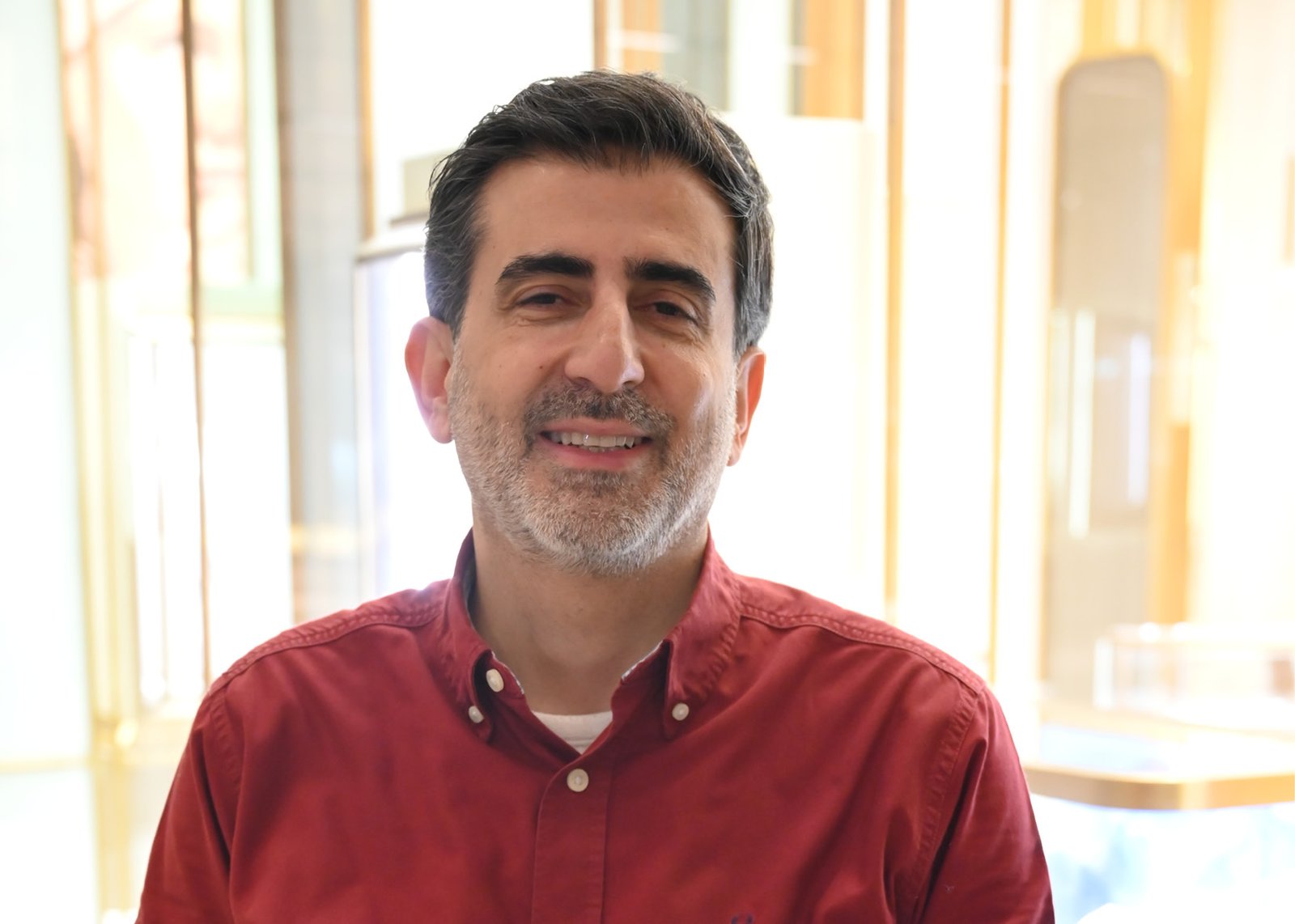
Investment entrepreneur Samer Choucair stated that recent warnings issued by prominent American banker Jamie Dimon reflect growing concern within major financial institutions about the possibility that the global economy could be approaching a significant market correction, which some economists describe as a moment of economic reckoning. Choucair highlighted that Dimon’s remarks carry considerable weight within global financial circles due to his extensive experience navigating economic cycles and financial crises.
Choucair explained that Dimon’s warnings should not be seen as alarmist, but rather as a reflection of structural risks accumulating beneath the surface of global economic growth. According to Choucair, this scenario emphasizes the importance of monitoring global economic crises and understanding the factors that can trigger widespread market corrections.
Echoes of Warnings from Financial Leaders
Choucair pointed out that Dimon’s recent comments echo similar concerns expressed by veteran banker Lloyd Blankfein, who warned about the potential for an economic liquidation phase after years in which markets largely avoided deep corrections. Choucair emphasized that the global economy appears strong on the surface, yet asset prices in equities, real estate, and certain credit markets have risen sharply, reflecting investor confidence that may be overly optimistic.
The warning from Dimon underscores the importance of preparing for potential shocks, particularly in credit markets and overvalued assets. Choucair noted that financial institutions and individual investors alike must remain vigilant, as mispricing risks can rapidly translate into global market volatility.
Inflation: The Persistent Economic Threat
Choucair highlighted that Dimon has repeatedly described inflation as a central challenge in today’s economic environment. He explained that persistent inflation could force central banks to maintain higher interest rates for extended periods, placing pressure on highly leveraged sectors and slowing overall economic growth.
The re-emergence of inflationary pressures is a common theme in discussions of global economic crises. Choucair stressed that investors need to monitor inflation indicators closely, as sudden spikes could trigger broader market adjustments.
Credit Markets and Elevated Risk-Taking
One major concern highlighted by Dimon, according to Choucair, involves aggressive risk-taking behavior in credit markets. Financial institutions competing to generate higher returns have been engaging in increasingly leveraged lending practices, echoing dynamics observed before the 2008 financial crisis.
Choucair explained that excessive leverage in both corporate and consumer debt markets can amplify losses during market corrections. Understanding this risk is critical for investors aiming to safeguard portfolios and mitigate exposure during turbulent periods, particularly in the context of global economic crises.
Geopolitical Risks and Economic Uncertainty
Beyond financial factors, Choucair stressed that geopolitical tensions contribute significantly to market instability. Conflicts in the Middle East, trade disputes between major economies, and threats to energy supply chains can disrupt global financial flows. Choucair noted that these developments affect inflation, commodity prices, and investor confidence, further complicating the risk landscape.
Dimon has highlighted potential scenarios where cyberattacks or regional conflicts could trigger economic shocks. Choucair emphasized that these risks are critical to understanding the broader context of global economic crises and should inform investment strategies in the current environment.
Rising Recession Risks
Choucair noted that the possibility of a global recession has moved from speculative analysis to a tangible consideration within financial institutions. Dimon has indicated that even if current economic indicators appear solid, vulnerabilities exist in heavily indebted sectors and interconnected markets.
Choucair emphasized that investors should adopt a long-term perspective and focus on risk management rather than reacting to short-term market movements. The recognition of potential recessionary pressures is a key factor in navigating global economic uncertainty.
Risk Management Strategies for Investors
Choucair advised that disciplined risk management remains the most effective tool for navigating uncertain periods. He stressed the importance of portfolio diversification, reduced leverage, and consistent monitoring of market indicators.
Investors should evaluate exposure across asset classes, including equities, real estate, and alternative investments, to mitigate the impact of sudden market corrections. Choucair also noted that using derivatives and hedging strategies can provide additional protection during periods prone to global economic crises.
Long-Term Strategic Investment Approaches
Choucair recommended that investors focus on long-term strategies that balance potential returns with risk containment. Global markets are increasingly interconnected, meaning shocks in one region can rapidly affect others.
He advised maintaining liquidity, holding a portion of investments in safe-haven assets such as gold or government bonds, and carefully considering the timing of entry into riskier markets. These approaches allow investors to capitalize on opportunities created by volatility while remaining protected against global economic crises.
Technological Innovation and Financial Resilience
Choucair highlighted the role of financial technology (FinTech) and digital transformation in providing investors with enhanced tools for risk assessment and market analysis. Advanced analytics, artificial intelligence, and blockchain-based platforms allow for real-time monitoring of market conditions and early detection of systemic risks.
Integrating technological innovation into investment strategies can increase resilience against shocks and contribute to navigating global economic crises with greater confidence.
Real Estate and Diversified Investment Portfolios
Choucair emphasized the importance of diversification beyond traditional stocks and bonds. Real estate investment, both locally and internationally, can offer stable returns during periods of volatility.
Investors exploring real estate investment opportunities in Saudi Arabia, for example, can benefit from government incentives, long-term growth potential, and exposure to emerging markets. Diversifying into tangible assets reduces reliance on volatile financial markets and strengthens portfolio stability.
Global Market Trends to Watch
Choucair noted several key indicators for investors to monitor, including global interest rates, central bank decisions, commodity prices, and geopolitical developments. Changes in these areas can have immediate effects on financial markets, particularly during periods where the risk of global economic crises is elevated.
He encouraged proactive analysis of economic indicators, cross-market correlations, and macroeconomic trends to anticipate potential shocks and prepare appropriate investment responses.
Leveraging Safe-Haven Assets
In times of uncertainty, Choucair highlighted the strategic value of safe-haven assets. Investing in gold, silver, and other precious metals provides protection against currency devaluation and market instability.
Choucair noted that combining these assets with carefully selected equities and fixed-income instruments enhances overall portfolio resilience in anticipation of potential global economic crises.
The Role of Central Banks
Central banks play a critical role in maintaining economic stability. Choucair explained that decisions regarding interest rates, monetary tightening, and quantitative easing directly affect liquidity, market confidence, and investor behavior.
Understanding central bank policies enables investors to adjust portfolios accordingly and reduce exposure to sudden market corrections. Choucair emphasized that central bank actions are a key factor in navigating global economic crises effectively.
The Impact of Geopolitical Shocks on Investment Strategies
Choucair emphasized that one often overlooked driver of market volatility is geopolitical instability. Conflicts in resource-rich regions, sudden trade sanctions, or shifts in diplomatic relations can quickly ripple through global financial markets. Investors who incorporate geopolitical risk assessment into their strategy are better positioned to mitigate losses. He noted that understanding the interaction between political events and market movements is crucial for navigating global economic crises, as these shocks can amplify existing financial vulnerabilities.
Sector Rotation and Defensive Investment Approaches
Choucair suggested that during periods of heightened risk, sector rotation becomes a vital tool for investors. Shifting capital toward defensive industries such as utilities, healthcare, and consumer staples can reduce exposure to cyclical downturns. He explained that such strategies not only preserve capital but also take advantage of market corrections to generate modest, stable returns. This approach is particularly relevant during global economic crises, where traditional high-growth sectors often experience the sharpest declines.
The Role of Emerging Markets in Portfolio Diversification
Choucair highlighted the increasing importance of emerging markets as a diversification tool. While these markets can be more volatile, they often provide uncorrelated growth relative to developed economies. For instance, investments in Southeast Asia, Africa, or the Middle East may act as a buffer against economic downturns in the United States or Europe. He stressed that strategically allocating assets to these regions can help investors maintain resilience during global economic crises.
Alternative Assets and Risk Hedging
Choucair encouraged investors to explore alternative assets beyond equities and bonds. Commodities, private equity, hedge funds, and infrastructure projects can provide portfolio insulation from market shocks. He noted that carefully selected alternative investments often move independently from traditional markets, serving as a hedge during periods of stress. Incorporating these assets is a proactive strategy for weathering global economic crises while potentially enhancing long-term returns.
Behavioral Finance and Investor Psychology
Choucair discussed the critical role of investor psychology in shaping market outcomes. Panic selling, herd behavior, and overconfidence can exacerbate market downturns. By understanding behavioral finance principles, investors can make more rational decisions and avoid reactionary mistakes. Choucair emphasized that during global economic crises, disciplined decision-making and emotional control are often more valuable than speculative insights.
The Importance of Liquidity Management
Choucair pointed out that liquidity management is central to surviving periods of financial stress. Maintaining sufficient cash reserves or liquid assets allows investors to respond to sudden market dislocations, capitalize on undervalued opportunities, and meet obligations without forced selling. He noted that liquidity is a critical factor that can differentiate successful investors from those severely impacted by global economic crises.
Technological Innovation as a Risk Mitigation Tool
Choucair highlighted how advanced technologies, including artificial intelligence, predictive analytics, and real-time monitoring platforms, are transforming investment risk management. By leveraging these tools, investors can detect patterns of volatility, anticipate sector rotations, and adjust portfolios before crises fully manifest. Choucair stressed that technology-driven approaches are essential for navigating modern global economic crises efficiently.
Strengthening Cross-Border Investment Strategies
Choucair advised investors to consider cross-border strategies to reduce reliance on any single economy. Diversifying investments across multiple regions, currencies, and regulatory environments can decrease vulnerability to local shocks. He noted that structured international investments, including emerging markets and stable foreign economies, can enhance portfolio resilience during global economic crises.
Preparing for Long-Term Structural Shifts
Choucair concluded that global economic crises often reveal underlying structural changes in the global economy, such as shifts in energy markets, demographics, or trade dynamics. Investors who study these long-term trends and adjust strategies accordingly are more likely to sustain growth and mitigate risks. Choucair emphasized that foresight, combined with disciplined investment practices, is a critical factor in surviving and thriving amid global economic crises.
Strategic Outlook for the Coming Year
Choucair concluded that while the global economy may appear robust today, structural vulnerabilities remain. Investors should focus on diversification, risk management, and maintaining flexibility to respond to sudden changes.
He highlighted that historical patterns of financial markets demonstrate cycles of expansion and correction. Being prepared for potential disruptions, including those identified by Jamie Dimon and other leading bankers, is critical for long-term investment success in the context of global economic crises.