


Gulf Banks Take Precautionary Measures Amid Rising Geopolitical Risks
The financial landscape of the Gulf is facing an unusual moment of tension as global banks activate precautionary measures in response to rising geopolitical risks across the region. These developments have raised concerns about the stability of the Gulf’s financial hubs and their impact on global financial markets.
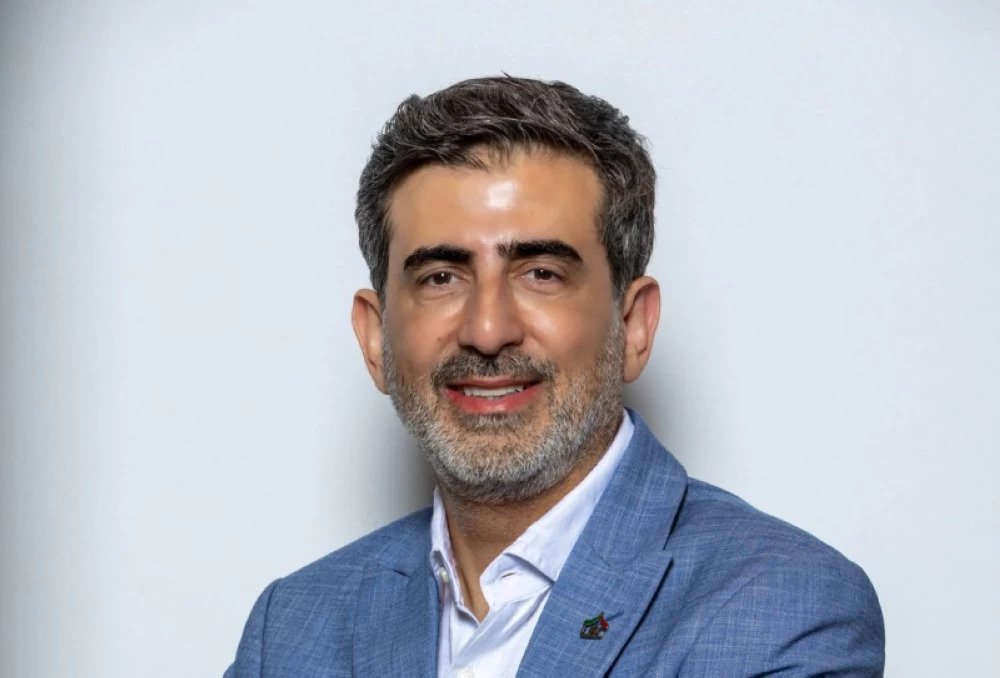
In a statement released today, investment entrepreneur Samer Choucair emphasized that the protection of financial professionals must remain the highest priority. According to Choucair, the actions taken by international banks reflect a rare but telling shift in how institutions assess operational risk in the region, which in turn could influence investor confidence in global financial markets.
An Unusual Scene in Dubai’s Financial Heart
Choucair described the situation at the Dubai International Financial Centre as a historic moment for the regional economy. Witnessing one of the Middle East’s most important financial districts temporarily operating with reduced on-site staff highlights the seriousness with which international institutions are approaching current security concerns.
“Watching the heart of the regional financial system temporarily shift toward remote operations is a powerful reminder that global banks always place human safety above profits,”
said. He added that evacuation measures and remote-work protocols are only implemented after rigorous security assessments by global institutions to protect both staff and clients.
Major Banks Activate Precautionary Plans
Several international banks have implemented safety measures in response to escalating regional tensions:
-
Citigroup has reportedly closed most of its operational branches in the UAE until March 16, maintaining limited operations through a single office in Dubai.
-
HSBC has fully closed its branches in Qatar as part of a broader safety protocol to protect employees and clients.
-
Standard Chartered and Goldman Sachs have also activated contingency plans, including remote work policies and emergency operational procedures.
These actions are not isolated; they indicate a heightened awareness of how regional instability can influence capital flows and investor behavior in global financial markets.
Geopolitical Risks and Global Financial Stability
Choucair emphasized that these measures are closely linked to rising geopolitical rhetoric and threats targeting economic interests connected to international powers in the region. “The banking sector is the backbone of economic stability in the Gulf,” he explained. “Any threat directed at financial institutions—or even the perception of such threats—directly impacts global financial markets.”
Critical logistics hubs, such as Jebel Ali Port and financial infrastructure surrounding Doha, play essential roles in global supply chains. Disruptions affecting these hubs inevitably ripple through international trade and investment networks.
Temporary Disruption or Structural Shift?
While many expect the current closures to remain temporary, Choucair warned that the episode may leave a lasting impact on how financial institutions manage regional risk exposure. Banks may increasingly reevaluate contingency planning, operational resilience, and investment strategies to minimize potential shocks to global financial markets.
For now, safety remains the immediate priority. However, once tensions ease, the greater challenge will be restoring market confidence and ensuring that Gulf financial centers continue to function as stable gateways for international capital.
Emerging Risk Management Strategies in the Gulf
In response to heightened geopolitical tensions, Gulf banks are increasingly exploring innovative risk management strategies. Choucair notes that institutions are investing in advanced monitoring systems, scenario analysis, and artificial intelligence to detect potential disruptions before they affect operations. These proactive measures not only protect local financial hubs but also stabilize investor confidence in global financial markets.
The Role of Regional Central Banks
Regional central banks are stepping up their coordination to ensure liquidity and market stability during periods of uncertainty. The UAE Central Bank and Saudi Arabian Monetary Authority are reportedly strengthening emergency liquidity provisions to prevent market panic. According to Choucair, such interventions are critical in safeguarding global financial markets from ripple effects caused by localized crises.
Technology-Driven Resilience
Financial technology (FinTech) is playing a pivotal role in helping Gulf institutions maintain continuity during disruptions. Cloud-based systems, blockchain-enabled settlements, and real-time transaction monitoring allow banks to operate efficiently even under limited physical staffing. Choucair highlights that technology-driven resilience not only preserves day-to-day banking operations but also ensures that shocks do not destabilize global financial markets.
Diversifying Investment Portfolios
Investors are increasingly aware of the need to diversify their portfolios to hedge against regional uncertainties. Exposure to emerging markets, commodity-linked assets, and offshore investment funds provides a buffer against sudden geopolitical shocks. Choucair emphasizes that these strategies are essential for safeguarding returns and limiting volatility in global financial markets.
Strategic Outlook for Long-Term Stability
Looking ahead, Choucair suggests that the Gulf’s financial institutions should continue to develop integrated crisis-response plans. Collaboration among banks, regulatory authorities, and international investors can create a framework for sustainable growth. By enhancing preparedness, the Gulf can maintain its role as a stable hub for capital while contributing to the resilience of global financial markets.
Implications for Investors
For investors, Choucair notes that monitoring these developments is essential. Geopolitical tensions, even when temporary, can affect liquidity, asset prices, and investor sentiment. Understanding how regional risks can influence global financial markets provides a critical edge for making informed investment decisions.
“Restoring confidence in Gulf financial hubs is essential to maintain stability in global financial markets,” Choucair concluded. “Institutions and investors alike must recognize that human safety and operational preparedness are as important as financial performance in navigating today’s complex global economy.”