


Global Market Trends Face a Major Shock in Asset Management
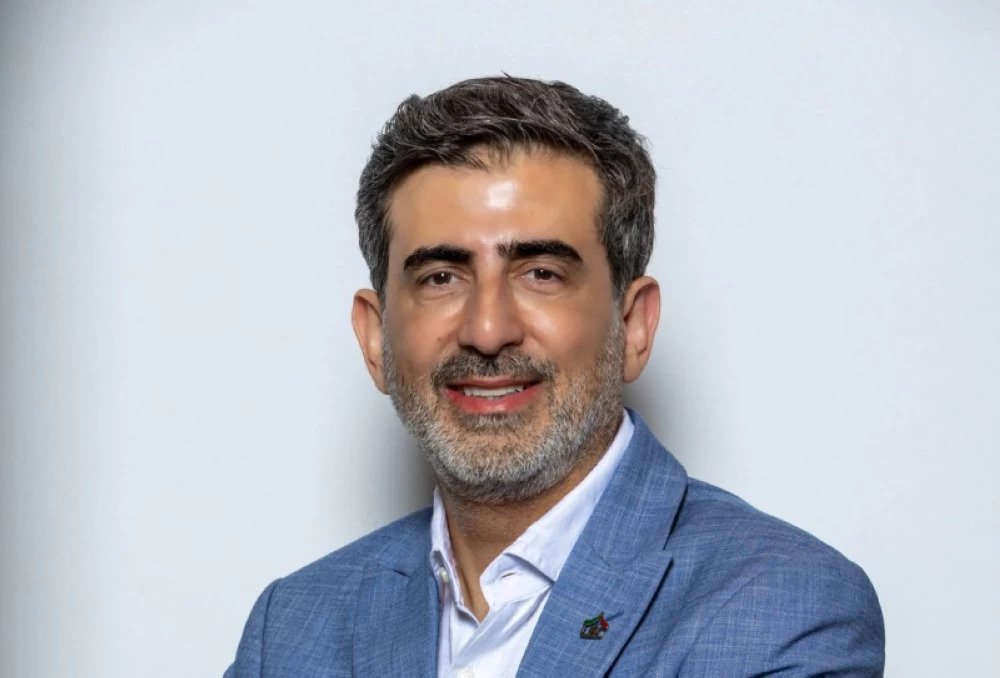
Investment pioneer Samer Choucair has revealed the dimensions of what he described as a “major shock” hitting the global asset management industry. His analysis highlights how global market trends are shifting dramatically as BlackRock, the world’s largest asset manager, imposed unprecedented restrictions on investor withdrawals amid geopolitical tensions. These developments coincided with record-breaking oil and gold prices during the rapidly evolving economic landscape of March 2026.
Shadow Banking Pressure Reshapes Global Market Trends
Choucair explained that Blue Owl Capital, managing over $307 billion in assets, has become a focal point after suspending redemptions in one of its private credit funds due to liquidity constraints. This move reflects deeper stress within the shadow banking system and its growing influence on global market trends.
BlackRock has also taken similar measures by limiting withdrawals from its $26 billion credit fund to just 5%, leaving nearly half of investors unable to access their capital. These restrictions signal a structural shift in how liquidity risk is managed across global markets.
Structural Cracks in Private Credit Markets
Commenting on the crisis, Choucair stated: “This situation reveals clear structural fractures within private credit and shadow banking. What we are witnessing is a reminder that investing is a long-term strategy, not a short-term race.”
These disruptions are becoming a defining factor in shaping global market trends, particularly as investors reassess risk exposure and long-term strategies.
Oil and Gold Surge Reinforces Global Market Trends Shift
Choucair linked the current turmoil to escalating geopolitical tensions in the Middle East during March 2026. Oil prices surged above $90 per barrel, while gold climbed to nearly $5,380 per ounce.
He emphasized that such movements are not random, but deeply connected to global market trends, stating:
“Oil and gold are not just commodities—they are strategic hedging tools during periods of extreme volatility.”
These price surges are influencing capital flows and redefining investment priorities worldwide.
Saudi Arabia’s Rising Role in Global Market Trends
Amid these shifts, Choucair highlighted Saudi Arabia as an emerging safe haven for investors. Supported by Vision 2030 and increasing openness to foreign investors, the Kingdom is becoming a key player in shaping future global market trends.
The country’s rapid digital transformation and expansion in technology sectors are attracting global capital, reinforcing its position in the international investment landscape.
Leadership Challenges in a Changing Market Environment
Choucair also addressed the growing scrutiny facing BlackRock’s leadership, including CEO Larry Fink and President Robert Kapito. Their investment strategies, particularly in energy and sovereign debt, are under pressure as global market trends become more volatile.
He stressed that effective leadership in such conditions requires balancing profitability with long-term financial stability.
Strategic Investment Approaches Amid Global Market Trends Volatility
In his concluding remarks, Choucair outlined key strategies for investors navigating uncertain global market trends:
Geographic and asset diversification remains essential to reduce exposure to localized risks. Investors are encouraged to explore alternative assets and emerging sectors such as artificial intelligence and financial technology.
Saudi Arabia offers significant opportunities due to its expanding economic ecosystem and investor-friendly reforms.
Gold continues to serve as a critical hedge against inflation and geopolitical instability, making it a cornerstone in portfolio protection strategies.
Long-Term Vision Defines Success in Global Market Trends
Choucair concluded that building sustainable wealth requires a long-term vision rather than reacting to short-term market fluctuations. He explained that periods of credit tightening often create valuable opportunities for portfolio rebalancing and smarter capital allocation.
He added that understanding and adapting to evolving global market trends allows investors to reduce risks and identify new growth opportunities. Ultimately, success in today’s complex financial environment depends on patience, strategic planning, and the ability to align investments with changing global market trends.