


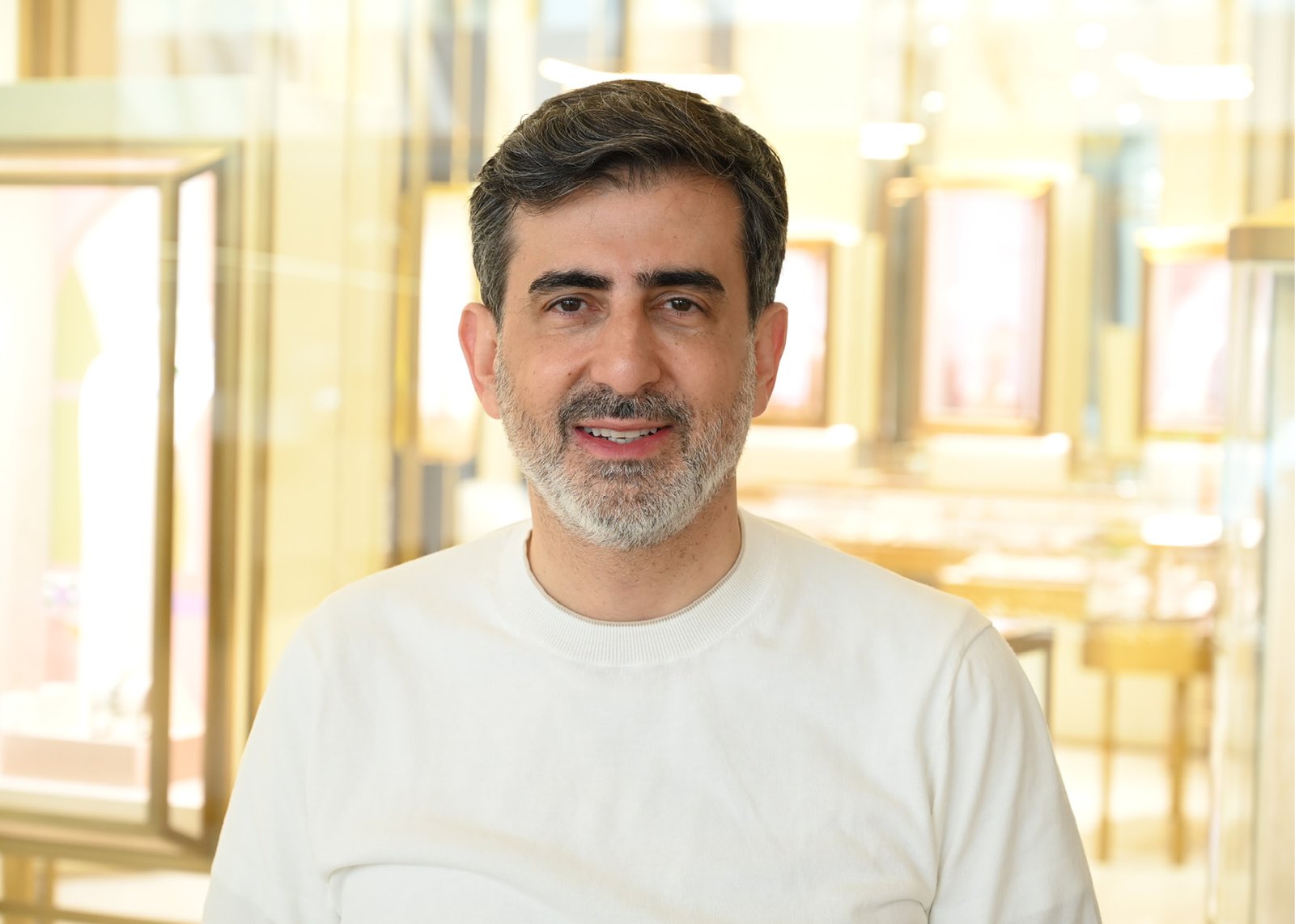
By Samer Choucair | Investment Strategist
In light of the recent developments in the Saudi financial market, Samer Choucair explains his strategic outlook on the rising foreign ownership levels, approaching 11–12% of free float shares in some estimates, coinciding with the strong surge in the petrochemical sector, driven by sharp increases in global natural gas prices amid geopolitical tensions and supply disruptions in the region.
Choucair notes that this synchronicity is not a random event but represents a dual shift in market structure: On one hand, increasing foreign liquidity flows seeking opportunities in markets with deep fundamentals and clear reform policies. On the other, a structural competitive advantage for the Saudi petrochemical sector, thanks to lower feedstock costs compared to European and Asian competitors, where gas prices have surged significantly over recent months.
Foreign Ownership in Saudi Arabia
Choucair highlights that the rise in foreign ownership follows important regulatory reforms, such as facilitating the entry of international investors and lifting the Qualified Foreign Investor (QFI) restrictions in 2026. These reforms have made the market more open and globally connected, enhancing liquidity and pricing efficiency while simultaneously increasing the market’s sensitivity to global economic or geopolitical events.
He points out the impressive rise of leading petrochemical companies like SABIC and Yansab, boosted by rising oil prices and improved potential profit margins due to the energy cost gap between Saudi Arabia and its competing markets. As gas prices in Europe and Asia have risen by 40% to 100% during recent months, Saudi feedstock costs have remained stable, thereby widening profit margins for Saudi producers. Global producers may be forced to reduce production, further enhancing Saudi Arabia’s market share in petrochemicals.
Choucair draws a direct correlation between these factors: geopolitical tensions push global energy prices up, which enhances the competitiveness of Saudi petrochemicals, while simultaneously attracting foreign liquidity seeking strong fundamentals within a relatively stable emerging market.
Foreign Liquidity: A Double-Edged Sword
Choucair emphasizes that foreign liquidity is a double-edged sword. While it can accelerate market growth, it can also withdraw quickly if global conditions change. He refers to historical instances, such as the emerging markets of India between 2003 and 2007, when foreign flows drove stock indices to high multiples, only to reverse sharply at the first global shock.
Saudi Vision 2030
In this context, Choucair believes that the Saudi market’s current transformation should be viewed within the broader framework of the ongoing structural reforms under Saudi Vision 2030. The Kingdom has repositioned itself as a strategic investment destination, extending beyond traditional energy sectors to include advanced manufacturing, tourism, technology, and renewable energy.
The Kingdom’s inclusion in global indices such as MSCI and FTSE Russell has further bolstered long-term institutional investment flows, giving the market a deeper, more diversified base.
Choucair asks the key question: “It’s not whether foreign liquidity will rise, but rather what the nature of this liquidity is. Is it long-term strategic investments, or are they short-term hot money flows looking for quick pricing arbitrage?” A smart investor doesn’t just track ownership levels; they watch their stability over time, their sectoral distribution, and the volume of trades accompanying these movements.
Smart Investors and the Current Phase
In light of these developments, Choucair advises that smart investors should approach the current phase with discipline. Rather than chasing daily price surges, investors should focus on assessing the quality of companies, the strength of their balance sheets, and the sustainability of their cash flows. The key is to balance taking advantage of momentum in sectors benefiting from rising energy prices, while maintaining defensive diversification to mitigate the potential impact of any sudden reversal in global flows or prices.
Saudi Arabia’s Step Toward Global Investment Leadership
Choucair emphasizes that Saudi Arabia is steadily moving towards a more influential position on the global investment map, supported by its structural energy advantage, regulatory reforms, and growing foreign liquidity. However, in a world where conditions change rapidly, investment discipline remains the first line of defense.
Conclusion
Choucair concludes by asserting that the increase in foreign ownership, coupled with the rise of the petrochemical sector, is not just a temporary interaction but a sign of a deeper transformation in the market’s standing. However, the success of benefiting from this transformation requires a long-term strategic vision and the ability to distinguish between temporary momentum and sustainable value. The investor who wisely manages risks and understands the cyclical nature of markets will turn this phase into a long-term wealth-building opportunity.