


Global Market Inflection Points and Investing in Stocks
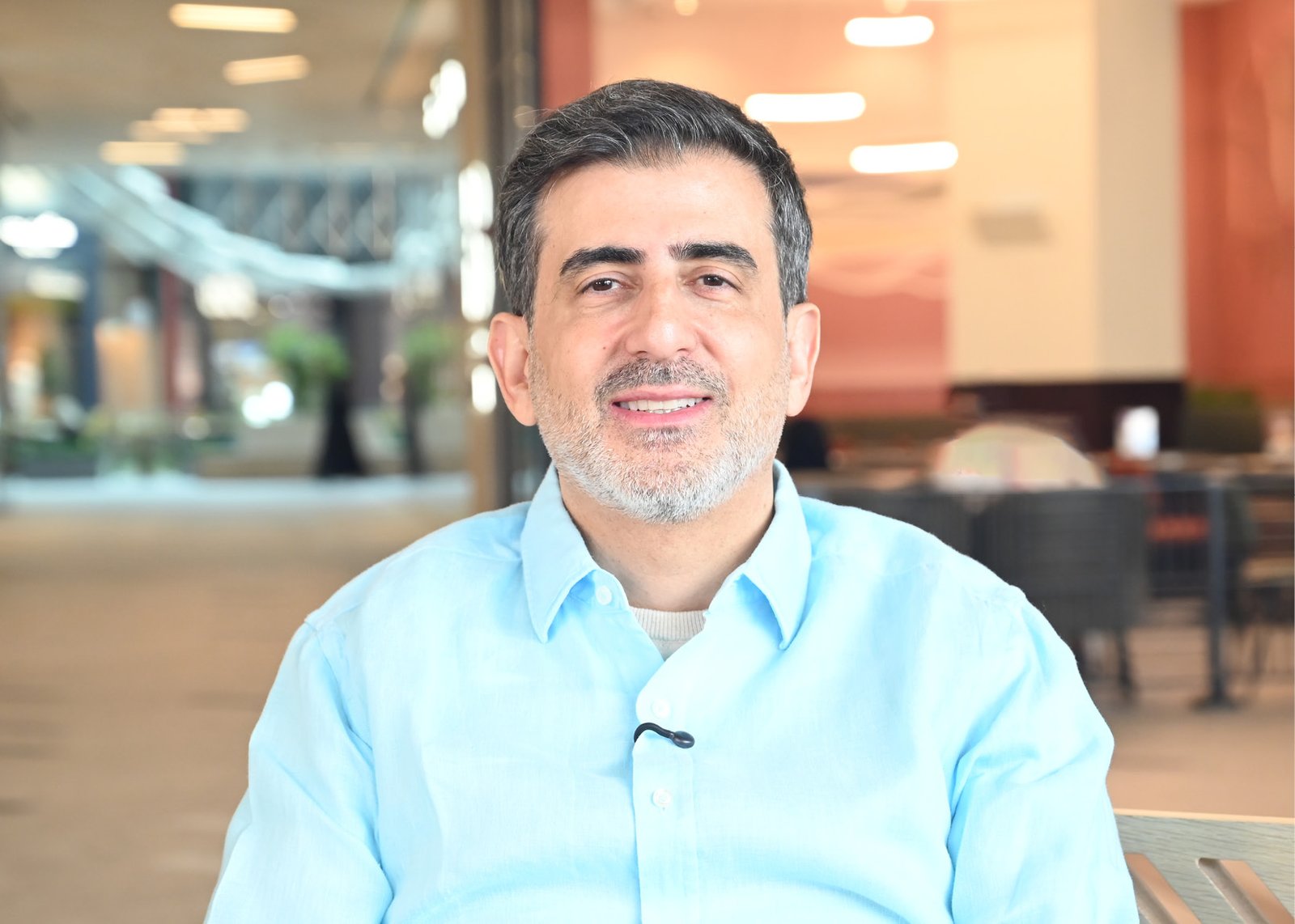
Investment entrepreneur Samer Choucair believes that global financial markets are approaching a critical inflection point that will redefine strategies for investing in stocks worldwide He emphasized that investors must carefully analyze macroeconomic trends geopolitical developments and energy market fluctuations to navigate this increasingly complex environment Understanding these dynamics is essential for both individual and institutional investors seeking to optimize returns through disciplined investing in stocks The current environment demands a forward-looking approach where anticipation of policy shifts and market reactions is as important as traditional financial analysis
Rising Energy Prices and Inflationary Pressures
Choucair highlighted that the surge in oil prices driven by geopolitical tensions particularly conflicts between Iran and the United States threatens to reignite inflationary pressures across major economies As Brent Crude nears unprecedented levels the cost of transportation production and industrial operations rises This escalation directly impacts corporate profit margins and investor sentiment Consequently those engaged in investing in stocks must account for sector-specific vulnerabilities and opportunities created by fluctuating energy costs Understanding energy price sensitivity within sectors such as transportation utilities and manufacturing allows investors to make informed allocation decisions
Lessons from Past Monetary Cycles
Examining prior cycles of monetary tightening Choucair explained how energy-driven inflation has historically prompted central banks to adjust interest rates which in turn affects stock market performance He cited examples from post Russia Ukraine conflict periods when rapid interest rate hikes caused sharp adjustments in equity valuations Investors focused on investing in stocks that were resilient to inflationary pressures managed to preserve capital and capture growth He stressed that combining historical knowledge with real-time economic indicators forms the foundation for strategic stock market decisions during periods of high volatility including monitoring inflation rates GDP growth employment statistics and commodity pricing
Geopolitical Events and Market Sentiment
Choucair emphasized that geopolitical developments influence investor behavior beyond immediate energy concerns Trade disputes regional conflicts sanctions and diplomatic uncertainties often trigger rapid market corrections affecting equities in multiple sectors Investors engaged in investing in stocks need to integrate geopolitical intelligence with financial analysis This approach enables proactive sector rotation and risk management allowing portfolios to adapt swiftly to changes in global market sentiment By evaluating political risk indices and analyzing historical responses to similar events investors can identify sectors likely to outperform or underperform during geopolitical disruptions
Emerging Markets and Structural Investment Opportunities
According to Choucair emerging markets including those in the Gulf region are positioned to benefit from current global volatility He highlighted that economic reforms such as Saudi Vision 2030 are creating substantial opportunities for investing in stocks across infrastructure renewable energy technology and industrial sectors By aligning investment strategies with these structural reforms investors can capitalize on long-term growth potential while mitigating exposure to short-term volatility Emerging market equities require detailed analysis of regulatory environments corporate governance and sector trends to ensure sustainable investment outcomes including identifying companies with transparent reporting practices and scalable business models
Strategic Allocation Across Sectors
Choucair explained that successful investing in stocks requires disciplined allocation across defensive growth cyclical and innovation-driven sectors Diversification reduces portfolio risk while allowing participation in high-growth opportunities He recommended combining sectors such as technology healthcare energy and industrials with cyclical consumer sectors to optimize returns Investors must continually reassess allocations in response to global economic indicators including inflation rates interest rate expectations and commodity market movements Understanding sector correlations and adjusting positions based on leading indicators enhances long-term portfolio performance
Technology and Innovation as Growth Drivers
The integration of artificial intelligence blockchain cloud computing and FinTech solutions is reshaping the global economy Choucair highlighted that companies leveraging these technologies are likely to outperform traditional market participants This trend makes technology-focused equities critical for investors in stocks seeking long-term growth Digital transformation initiatives in healthcare logistics finance and manufacturing create multiple investment channels He advised monitoring adoption rates regulatory developments and competitive positioning to select high-performing equities across innovation-driven industries
Risk Management and Portfolio Resilience
Effective investing in stocks requires proactive risk management Choucair emphasized monitoring global economic indicators geopolitical developments currency fluctuations and commodity price trends This multidimensional analysis allows investors to implement hedging strategies adjust sector allocations and maintain diversified exposure By combining quantitative analysis with strategic foresight portfolios can withstand market shocks and capture opportunities during periods of heightened volatility Incorporating scenario planning stress testing and sensitivity analysis strengthens the resilience of equity portfolios
Behavioral Finance and Investor Psychology
Understanding the psychological dimensions of market behavior is essential for long-term investing Choucair explained that fear-driven sell-offs over-optimism and herd behavior can distort stock valuations Investors engaged in investing in stocks should integrate behavioral insights with analytical frameworks This ensures decisions are guided by data and long-term objectives rather than emotional reactions which often lead to suboptimal portfolio outcomes Techniques such as identifying cognitive biases monitoring sentiment indicators and using contrarian strategies can enhance disciplined investment practices
Dividend Strategies and Income-Oriented Investing
Choucair highlighted that dividend-paying stocks provide stability and predictable cash flows during market turbulence They complement growth-oriented investments allowing balanced portfolio construction Investors focused on investing in stocks with sustainable dividend policies can achieve capital preservation while participating in long-term equity appreciation Combining dividend strategies with sector diversification enhances overall portfolio resilience Dividend-focused approaches are particularly useful in sectors experiencing moderate growth but consistent cash generation
The Role of Central Banks and Monetary Policy
Central bank actions directly affect investing in stocks through interest rate decisions monetary tightening quantitative easing and policy guidance Choucair emphasized that keeping abreast of central bank announcements enables investors to anticipate market reactions and adjust portfolios proactively Understanding the interplay between fiscal policy energy prices and global interest rates is critical for equity market positioning Investors should evaluate forward guidance statements yield curve movements and central bank balance sheet expansions to better position their portfolios
Cryptocurrency and Alternative Asset Considerations
While traditional equities remain a core focus Choucair observed that alternative assets such as digital currencies tokenized real-world assets and commodities can complement investing in stocks These instruments provide diversification inflation protection and exposure to emergent economic trends Integrating alternative assets with traditional stock investments requires careful analysis of correlation risks liquidity constraints and regulatory environments Including selective exposure to cryptocurrencies or gold backed tokens can reduce overall portfolio volatility
Regulatory Developments and Compliance
Choucair stressed that changes in regulatory frameworks globally influence equity investment strategies Compliance with new tax rules corporate reporting standards and cross-border investment regulations is essential for investors seeking sustainable returns Investing in stocks without accounting for regulatory shifts may expose portfolios to unexpected risks Proactive monitoring of policy updates ensures legally compliant and strategically sound investment positions Investors should engage local counsel and regulatory consultants when investing across multiple jurisdictions
ESG Integration in Equity Portfolios
Environmental social and governance considerations are increasingly shaping investor preferences Choucair emphasized that incorporating ESG criteria enhances portfolio resilience and aligns with long-term market trends Companies demonstrating strong ESG performance are often more adaptable during crises Investors focused on investing in stocks should evaluate ESG factors alongside traditional financial metrics to identify equities capable of sustained outperformance and risk mitigation Incorporating ESG ratings sustainability scores and carbon footprint metrics supports ethical investing while maximizing long-term returns
Technological Adoption Across Non-Tech Sectors
Choucair noted that digital transformation is no longer confined to pure technology companies Healthcare industrials logistics and financial services are increasingly leveraging AI blockchain and automation This creates novel opportunities for investing in stocks beyond conventional tech equities Investors must assess operational efficiency gains revenue potential and regulatory compliance to select high-performing equities across sectors Cross-industry adoption of technology often indicates companies with better adaptability to market disruptions
Capitalizing on Energy Transition
The global shift toward renewable energy and decarbonization presents strategic avenues for stock investment Choucair emphasized that energy transition policies influence company profitability capital expenditure and sector rotation opportunities Investors engaged in investing in stocks should evaluate the pace of adoption government incentives and technological feasibility to position portfolios for long-term growth in clean energy markets Energy efficiency initiatives green bonds and sustainable infrastructure projects represent sectors with expanding opportunities
Global Economic Indicators and Informed Decision Making
Choucair highlighted that monitoring global economic indicators including GDP growth inflation rates commodity prices and trade balances is essential for investing in stocks Data-driven insights enable investors to anticipate macroeconomic trends and adjust stock portfolios accordingly Integrating statistical models qualitative research and scenario planning enhances decision-making accuracy Investors should combine macroeconomic projections with company-level financial analysis to identify resilient equities
Emerging Sector Leaders
Identifying early-stage leaders within growth sectors provides substantial returns Choucair explained that in healthcare biotechnology digital platforms renewable energy and advanced manufacturing early investments can generate superior equity performance He added that understanding the regulatory landscape competitive barriers intellectual property protection and funding cycles is essential for selecting companies with sustainable growth potential Investors focused on investing in stocks should conduct detailed analysis of market positioning competitive advantages scalability potential management quality and adoption rates of innovative solutions This comprehensive approach enables investors to capture exponential growth opportunities while reducing exposure to companies that may fail to achieve market traction Additionally monitoring sector-specific catalysts such as government incentives technological breakthroughs and strategic partnerships often triggers significant stock price appreciation Early engagement with emerging leaders also allows investors to influence governance practices and participate in shareholder initiatives enhancing long-term value creation
Geopolitical Intelligence and Equity Markets
Choucair emphasized that geopolitical intelligence is vital for anticipating market disruptions and maintaining portfolio resilience Energy supply tensions trade negotiations and regional conflicts all impact stock performance directly and indirectly Investors must integrate data from diplomatic developments international trade agreements sanctions regimes and regional stability assessments By combining these insights with financial metrics such as earnings forecasts debt levels and cash flow analysis investors can better anticipate sector rotations and market volatility Certain industries including defense energy logistics and technology are especially sensitive to geopolitical shifts requiring closer monitoring Leveraging scenario planning geopolitical risk modeling and consultation with global policy experts ensures portfolios remain agile and capable of benefiting from emerging trends while minimizing exposure to adverse events
Diversification Across Geographies
Choucair recommended spreading investments across global markets to reduce concentration risk and optimize long-term returns Geographic diversification allows investors to participate in high-growth economies emerging markets and mature developed markets simultaneously This strategy mitigates domestic economic risks currency fluctuations and sector-specific downturns while providing exposure to a broader range of growth drivers When investing in stocks internationally evaluating local regulatory environments corporate governance standards political stability and market liquidity is critical Additionally diversifying across geographies enables balancing cyclical and defensive sectors across regions and capturing asymmetrical market recoveries Combining quantitative analysis with regional expertise and strategic partnerships with local investment firms enhances decision-making and ensures portfolios remain resilient while capturing new opportunities across multiple economic zones
Long-Term Strategic Planning
Choucair concluded that successful investing in stocks requires long-term vision integrating macroeconomic insights technological trends regulatory analysis and behavioral finance Combining these elements allows investors to construct portfolios that balance risk and growth potential while remaining adaptive to evolving market conditions Disciplined execution informed by data and strategic foresight is critical for sustained equity market success Investors should continuously monitor global economic indicators corporate earnings technological developments and geopolitical events to adjust strategies proactively