


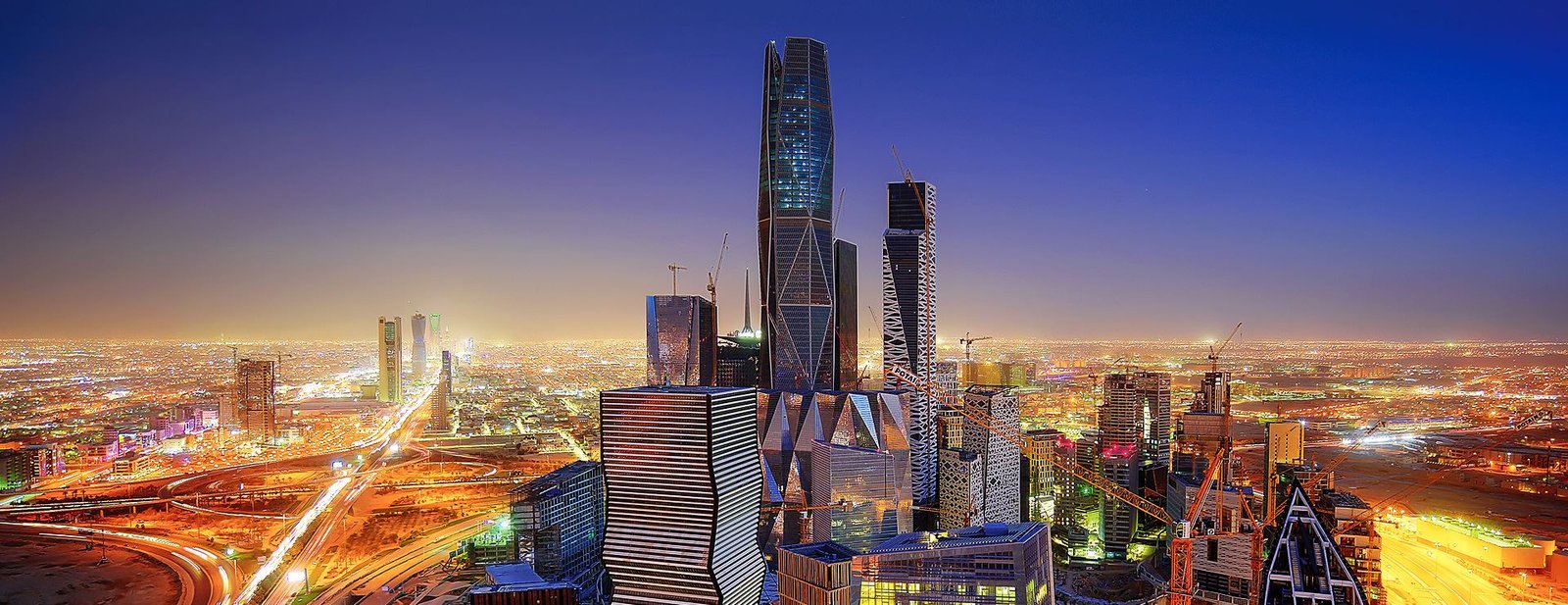
The figures presented by Khalid Al-Falih, Minister of Investment, during the Absher 2025 conference were not a routine presentation of sectoral achievements. At their core, they amounted to a declaration that Vision 2030 has entered a phase of comprehensive investment maturity. Saudi Arabia today stands before a landscape that is redefining its economic appeal, transforming the Kingdom into a major global investment power guided by a precise strategic compass drawn by His Royal Highness the Crown Prince. Riyadh is no longer a peripheral option on the world’s economic map, but an indispensable destination in the emerging global economic order.
Structuring Trust: The Dividend of Vision
The qualitative leap in the number of foreign investors—now reaching 58,000—and the fourfold increase in foreign direct investment are neither temporary spikes nor the product of coincidence. They represent the structural outcome of a broad re-engineering of the business environment that began with the launch of Vision 2030. This vision did not merely seek to attract large pools of capital; it redefined investment as an accessible and viable pathway for Saudi entrepreneurs themselves. In doing so, innovation moved beyond rhetoric to become a daily practice embedded in both current and future sectors of the economy.
Digital Sovereignty and Decoupling from Oil
A closer analytical reading of Al-Falih’s remarks reveals that the digital economy’s 15 percent contribution to gross domestic product is compelling evidence of the vision’s success in achieving one of its most difficult objectives: breaking the Kingdom’s historical dependence on oil prices. Leadership in the digital transformation of security and judicial systems has given Saudi Arabia a rare competitive advantage—sovereign reliability. Strong data governance and efficient, predictable justice have emerged as core guarantees, allowing the non-oil economy to expand independently of the volatility traditionally associated with global energy markets.
Engineering Opportunity: From Enablement to Industry
What the minister revealed about the availability of thousands of investment opportunities—through the Ministry of Investment, the Furas platform, and the Public Investment Fund—demonstrates that Vision 2030 has succeeded in building a fully integrated investment ecosystem. When opportunities range from startups requiring as little as SAR 50,000 to strategic, sovereign-scale industries such as aircraft manufacturing worth billions of dollars, it signals a decisive shift from enablement to execution. The National Investment Strategy, now nearing completion, stands as the operational engine translating the vision’s ambitions into tangible industrial and technological capacity.
A Defining Moment
Taken together, the figures and realities outlined by Khalid Al-Falih convey a clear and unified message: Saudi Arabia is no longer preparing for the future—it is deliberately shaping it. The Kingdom’s emergence as a global investment hub is not aspirational rhetoric, but the natural outcome of Vision 2030, which has repositioned investment as a central pillar of national transformation. In doing so, Saudi Arabia is not only accelerating economic growth, but also redefining its role as a leading force in a global economy increasingly driven by innovation, digital capability, and long-term institutional strength.