

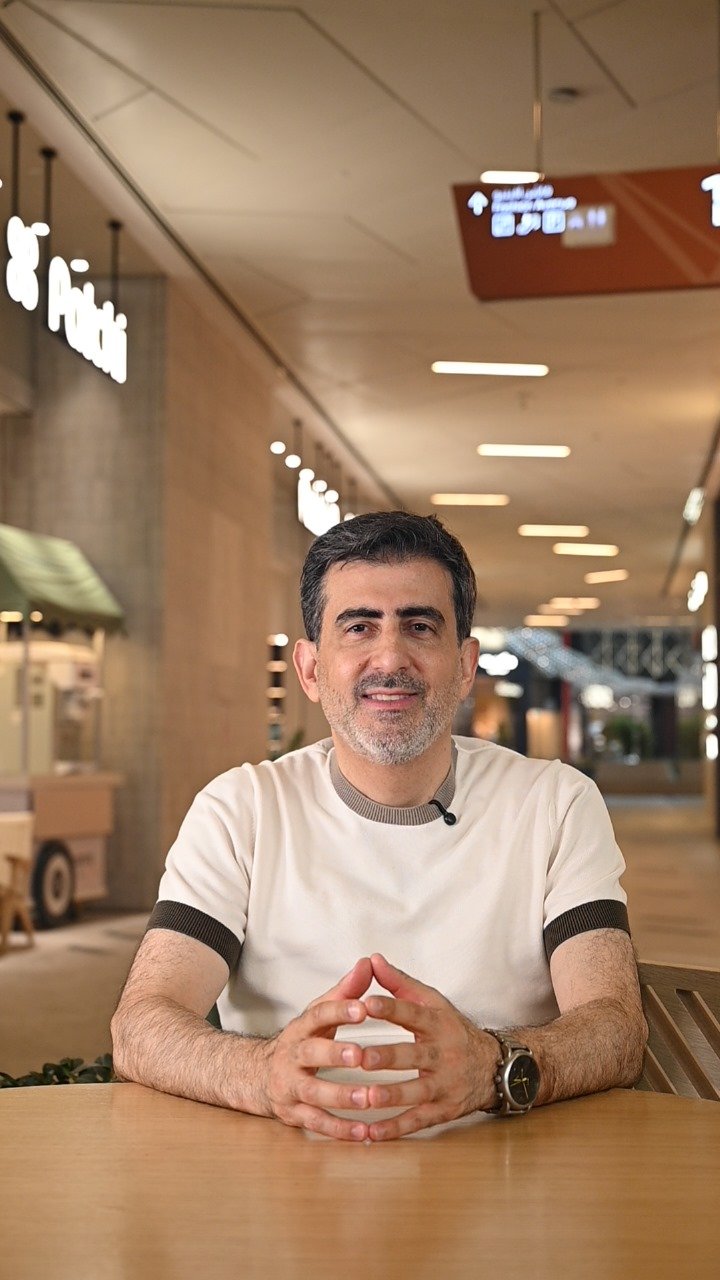
Investment strategist Samer Choucair stated that what is currently unfolding in global markets represents a “silent shock” that consumers are directly bearing—despite the common belief that geopolitical crises only impact governments and corporations.
Choucair explained that the reality is very different:
“The consumer is paying the price every single day without realizing it—through rising costs of essential goods such as phones, clothing, and food, all of which are directly affected by global supply chain disruptions.”
He added:
“Shipping companies are not charities—every increase in freight costs is passed directly to the end consumer.”
—
The Untold Truth: Who Really Pays?
Choucair noted that the question of who bears the cost of rising shipping prices reveals the core of the crisis.
“The answer is simple: the consumer is the weakest link—but the one who pays for everything.”
He added:
“The equation is straightforward—any increase in cost is directly added to the final price of the product, without exception.”
—
What Happened in the Red Sea—and Why Prices Are Rising
Choucair explained that the current crisis is not random, but the result of interconnected geopolitical developments.
“Security disruptions in the Red Sea have driven up maritime insurance costs and forced many vessels to reroute away from the Suez Canal,” he said.
As a result, ships have been diverted around the Cape of Good Hope—leading to longer journeys and significantly higher operational costs.
“The outcome is clear: shipping costs have surged by up to 300% on some routes, delivery times have doubled, and operational expenses have skyrocketed,” he added.
—
How the Shock Moves From Ships to Your Pocket
Choucair outlined how the crisis reaches consumers:
“It starts with higher shipping costs—each container becomes more expensive, raising the price of every product inside.”
He continued:
“Then come additional risk premiums, where geopolitical insurance costs are added directly to invoices. Delays further increase storage costs and reduce supply—pushing prices even higher.”
“The final result is simple: product prices rise—even if their original production cost hasn’t changed,” he emphasized.
—
Who Benefits? The Side Few See
Choucair pointed out that crises do not mean losses for everyone—some players benefit directly.
He explained that alternative ports, particularly in Saudi Arabia, are emerging as key logistics hubs. Major shipping companies with modern fleets are also gaining, along with countries that have strong infrastructure, such as the United Arab Emirates.
“Crises don’t just destroy—they redistribute economic power,” he noted.
—
The Real Impact on Arab Economies
Choucair stated that the effects of the crisis are already visible across Arab economies:
“There is imported inflation in countries like Egypt and Lebanon, declining purchasing power, and significant pressure on small businesses.”
He warned:
“This is not ordinary inflation—it is geopolitical inflation tied to global supply chains.”
—
Where Is the Opportunity? How Smart Investors Think
Choucair emphasized that opportunities always emerge within crises.
“Investment in logistics and infrastructure has become a priority, along with local manufacturing to reduce reliance on imports,” he said.
He added:
“There are also major opportunities in leveraging AI to improve supply chain efficiency, as well as strengthening regional trade to reduce dependence on long routes.”
“Whoever controls supply chains—controls the economy,” he stressed.
—
You Pay—But You Can Also Profit
Choucair concluded by stating that what is happening today goes beyond a shipping crisis:
“We are witnessing a reshaping of the global trade map.”
“Yes, the consumer is paying now—but the informed investor looks beyond the crisis. Wealth is created in moments of uncertainty—for those who understand the direction before others do.”