

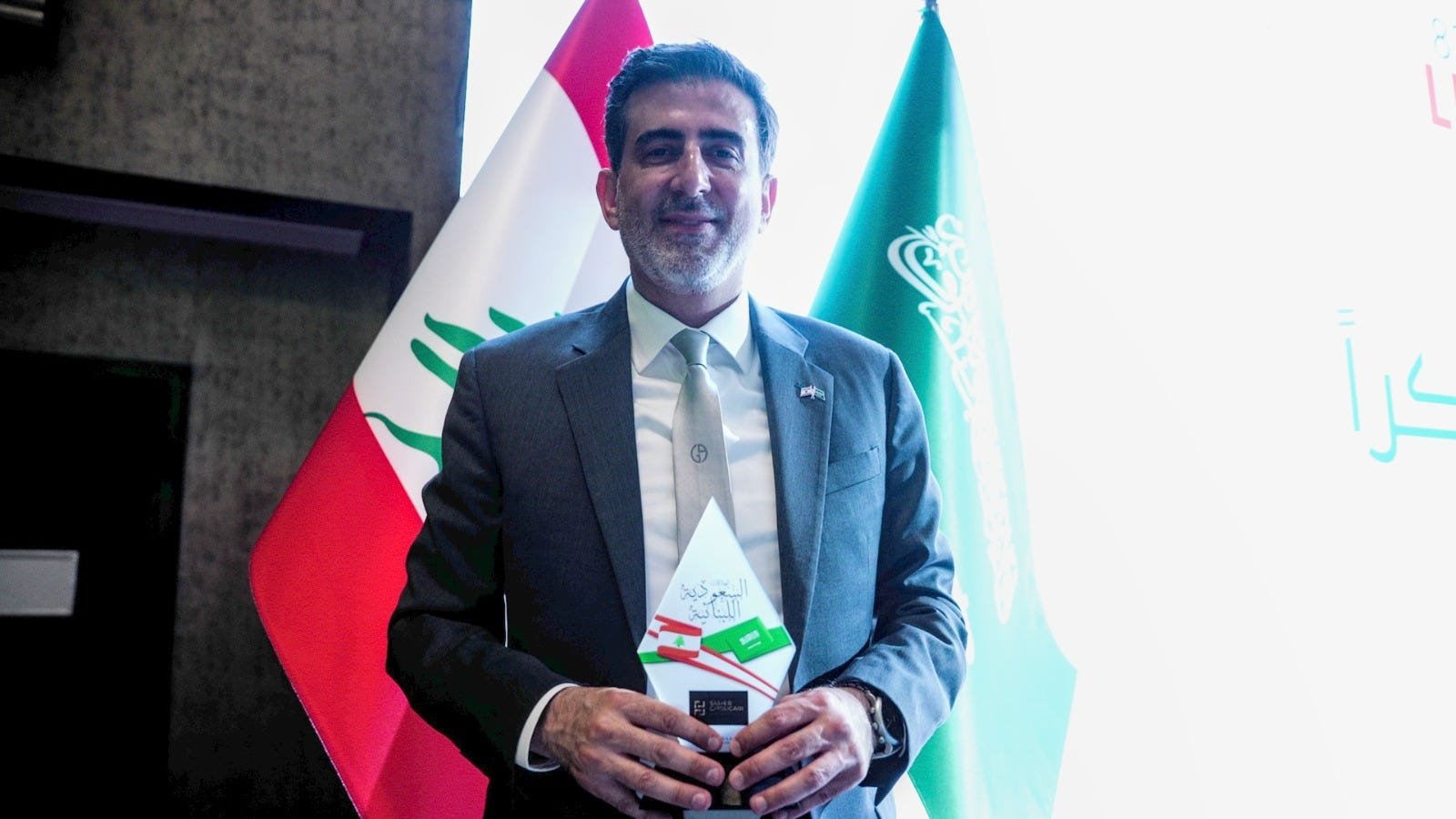
Investment leader Samer Choucair said that ADES Holding’s completion of its acquisition of Shelf Drilling in November 2025 represents a strategic shift in the offshore drilling-services market. The transaction increased ADES’s fleet to 83 offshore units, including 46 premium units, alongside 40 land rigs, bringing the company’s total fleet to 123 rigs. It also expanded ADES’s operations into new international markets and strengthened its geographic diversification.
Choucair explained that the acquisition added 33 jack-up rigs to ADES’s fleet, while the combined backlog exceeded SAR 34 billion at the time the transaction was completed. This provides multi-year visibility into revenue and cash flows. Global jack-up utilization also exceeded 90% at the time of the acquisition, reflecting strong demand in the shallow-water drilling market.
Choucair noted that ADES’s strength is not simply a function of fleet size, but also its ability to distribute assets geographically and secure long-term contracts. This reduces dependence on any single market and gives the company greater flexibility in navigating oil-price cycles and changes in energy companies’ capital expenditure.
Financial performance further reinforces this position. ADES generated SAR 6.69 billion in revenue in 2025, an increase of 7.9% from the previous year, while backlog reached approximately SAR 34.7 billion at year-end. During the first half of 2026, revenue rose to SAR 4.54 billion, representing an increase of nearly 49% year over year.
Choucair said these indicators make ADES a company worthy of institutional investors’ attention, particularly because it combines acquisition-driven expansion with organic growth and diversified geographic exposure.
He added that investment in energy-services companies is no longer driven solely by expectations for oil prices. Instead, it increasingly depends on contract quality, asset utilization, operational efficiency, and management’s ability to allocate capital effectively.
“The Shelf Drilling acquisition also demonstrates the importance of mergers and acquisitions in building regional platforms capable of competing globally,” Choucair said, particularly when a strong balance sheet allows a company to finance transactions, restructure assets, and improve operating efficiency.
Choucair noted that ADES’s strong presence in Saudi Arabia, combined with its expansion across Southeast Asia, West and Central Africa, and Europe, gives the company a more diversified platform for growth.
New contracts secured during 2026, including agreements in Nigeria and the North Sea, further demonstrate the company’s strategy of building a long-term backlog.
The key risks, Choucair said, remain linked to oil-price volatility, energy companies’ capital-spending decisions, financing costs, and the execution risks associated with acquisitions and asset integration.
However, he added that a large and diversified fleet combined with long-term contracts can provide a greater buffer against these fluctuations.
Choucair concluded that the ADES experience offers an important lesson for Gulf investors: building regional platforms with global reach can transform local capital into assets capable of generating cash flows across multiple markets, while strengthening the Gulf’s position as an emerging global hub for energy services.