

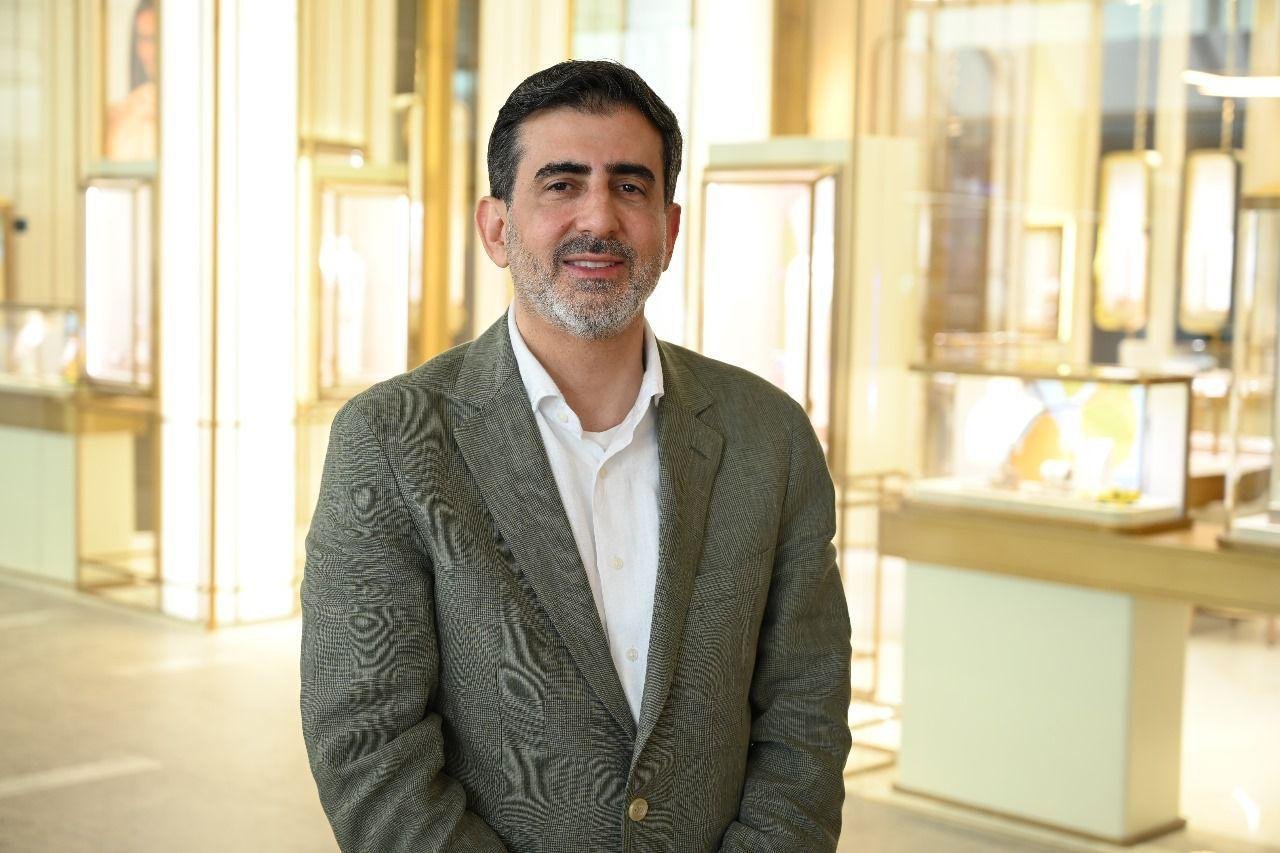
Investment strategist Samer Choucair presented a comparative analytical perspective on Saudi Arabia’s hosting of the AFC Asian Cup 2027 in relation to the FIFA World Cup Qatar 2022, emphasizing that the Saudi event is not merely another regional edition, but a fundamentally different strategic project built on efficient capital deployment and long-term economic value creation under the mature framework of Vision 2030.
Choucair explained that the comparison between the two events highlights Saudi Arabia’s shift toward “smart investment.” While Qatar’s 2022 World Cup was a foundational undertaking that required building infrastructure from the ground up—at an estimated cost ranging between $200 billion and $300 billion—Saudi Arabia is adopting a more optimized approach for the 2027 Asian Cup. The Kingdom is focusing on upgrading existing facilities while selectively developing high-impact assets, such as the new stadium in Al Khobar, resulting in lower relative costs and significantly higher operational efficiency—particularly when leveraged against the scale of the Saudi economy.
He noted that the tournament, which will feature 24 Asian national teams across the key cities of Riyadh, Jeddah, and Al Khobar, serves as an ideal “strategic rehearsal” ahead of the FIFA World Cup 2034. He also highlighted Saudi Arabia’s adoption of advanced logistical concepts, including the allocation of a dedicated hotel and training facility for each national team—a model that ensures stable cash flows for the hospitality sector and fosters long-term operational contracts.
In his assessment of investment opportunities, Choucair identified four key pillars that distinguish the Saudi model:
First: Sustainable Sports Tourism
Targeting Asia’s vast fan base, this approach is expected to drive consistently high hotel occupancy rates and broaden the geographic distribution of tourism spending.
Second: Real Estate Development
Host cities are likely to experience comprehensive asset revaluation, particularly in areas surrounding sports infrastructure, alongside expansion in commercial and mixed-use developments.
Third: Regional Sports Hub Formation
Through broadcasting rights, global sponsorships, and licensed merchandise, Saudi Arabia is positioning itself as a central hub for the regional sports economy.
Fourth: Socio-Economic Legacy
The tournament is designed to generate long-term economic and societal impact, supporting sustainable non-oil growth and reinforcing diversification objectives.
Choucair stressed that the true investment value in Saudi Arabia lies in its “intelligent sequencing” of major events. The Kingdom is not developing infrastructure for one-time use; rather, it is building a fully integrated sports ecosystem that begins with the AFC Asian Cup 2027 and extends toward the global stage with the 2034 World Cup.
He advised investors to capitalize on the pre-2027 window of opportunity, particularly within logistics, hospitality, and hotel real estate, emphasizing that early entry will be critical in securing maximum returns before market saturation and price escalation occur.
In conclusion, Choucair affirmed that the AFC Asian Cup 2027 serves as a gateway to a globally competitive Saudi sports economy. He noted that the real challenge for investors is not recognizing the success of the tournament—but acting early enough to secure a position in the market before opportunities become crowded and fully priced. Saudi Arabia, he concluded, is on a clear trajectory to transform sports into a sustainable engine of national wealth and long-term investment growth.