

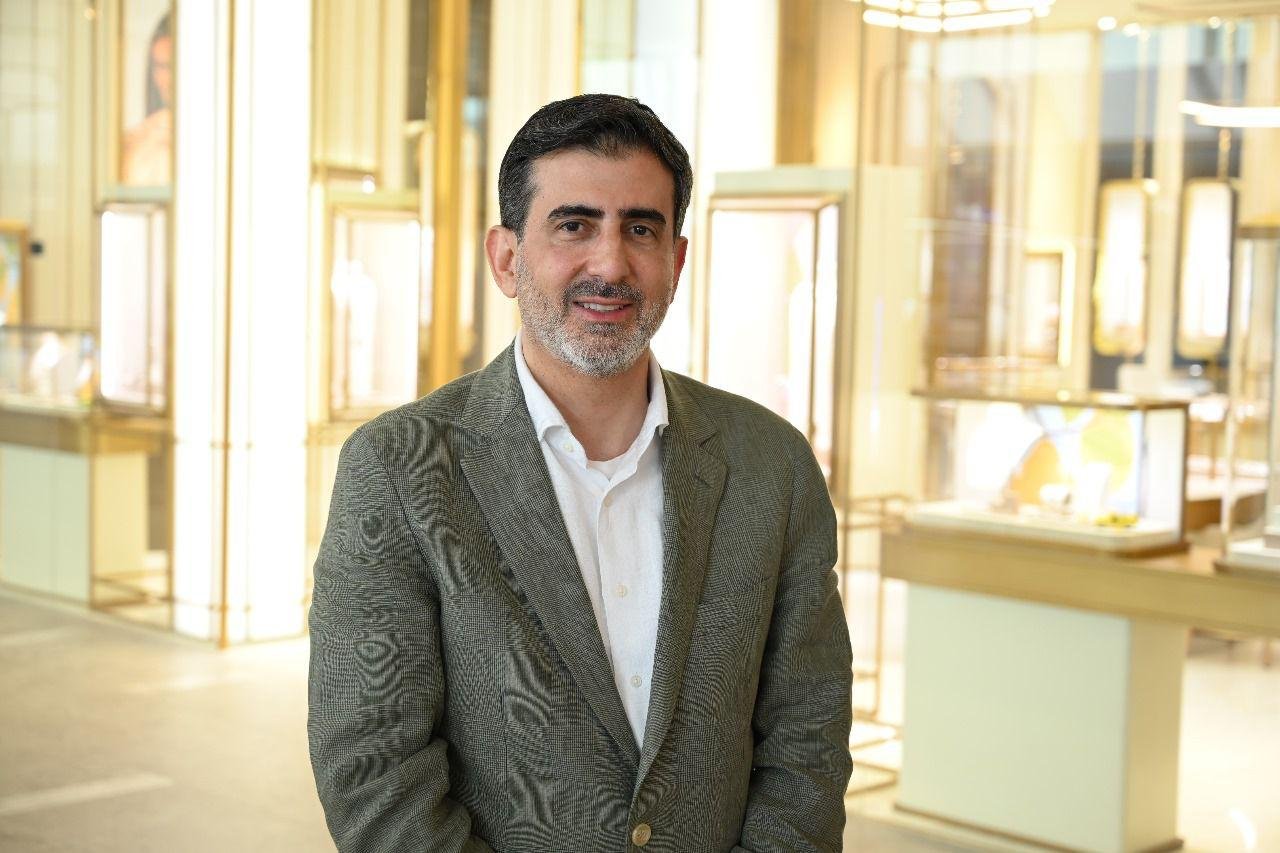
Investment pioneer Samer Choucair emphasized that the dramatic shifts in the global technology sector—most recently Snap Inc.’s decision to lay off approximately 1,000 employees—mark the beginning of a new phase in redefining the nature of work in the twenty-first century.
Choucair explained that this move, aimed at saving $500 million annually by mid-2026, reflects an increasing reliance on Artificial Intelligence. AI is now generating more than 65% of the company’s new code, allowing small teams to accomplish tasks that previously required hundreds of employees.
From a University Idea to Facing Future Challenges
Samer Choucair reviewed Snapchat’s journey from its 2011 launch at Stanford University as a revolutionary idea for sharing disappearing moments to its transformation into a publicly traded tech giant.
He noted that the company today faces the very challenge it helped create: adapting to AI technologies that are entirely reshaping the technological business model. Choucair asserted that what is disappearing is not jobs as a whole, but rather routine, repetitive tasks with low added value.
AI as a Driver for Redistributing Value
The investment pioneer believes that what is happening today resembles a radical shift surpassing the impact of the first Industrial Revolution. Choucair stated:
“Artificial Intelligence does not eliminate jobs; it redistributes economic value. Those who possess the skill and knowledge will secure a larger share of the new economy.”
Samer Choucair divided the investment opportunities resulting from this transformation into three main layers:
-
The Efficiency Layer: Companies that raise their productivity and profit margins by adopting AI.
-
The Infrastructure Layer: Long-term investments in data centers, cloud computing, and advanced chips.
-
The Application Layer: Developing Arabic-language AI models and smart solutions in energy, education, and healthcare—an area where the Gulf stands out as a major player.
Vision 2030: Saudi Arabia as a National Investment Asset in AI
Samer Choucair emphasized that the Kingdom of Saudi Arabia does not view AI as a threat, but as a strategic investment asset within Vision 2030.
He pointed to the 312% growth in generative AI skills in the Kingdom in recent years, supported by advanced digital infrastructure. This creates unique opportunities for investors who link global technologies with local needs.
Four Strategic Tips for Investors and Entrepreneurs
Samer Choucair provided a roadmap for rapid movement in this stage:
-
Investing in People: Focus on reskilling the workforce and developing advanced human skills.
-
Portfolio Diversification: Combine traditional assets with digital infrastructure to maximize returns.
-
International Partnerships: Prioritize the transfer of knowledge and technology over the mere transfer of funds.
-
Creating Multiplied Value: Adopt an investment methodology that ensures returns beyond ordinary financial profit.
Investment pioneer Samer Choucair concluded his remarks by asserting that the future belongs to those who understand the essence of this transformation.
He explained that AI does not close doors but changes their location and demands new skills. He stressed that Vision 2030 possesses all the tools to turn this global challenge into a major competitive advantage for the Kingdom and the Gulf, where knowledge and innovation become the true currency in the labor and investment market of 2026.