

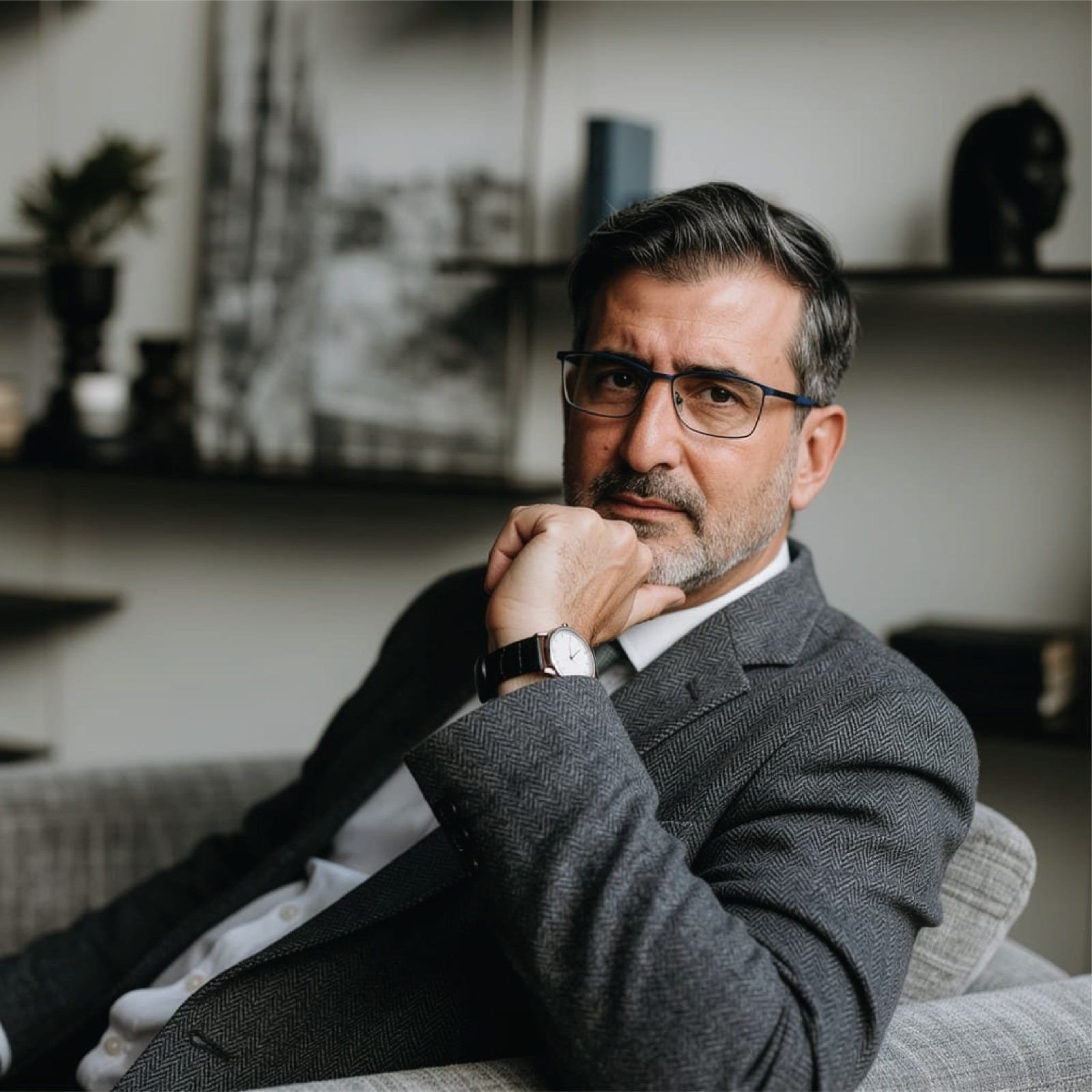
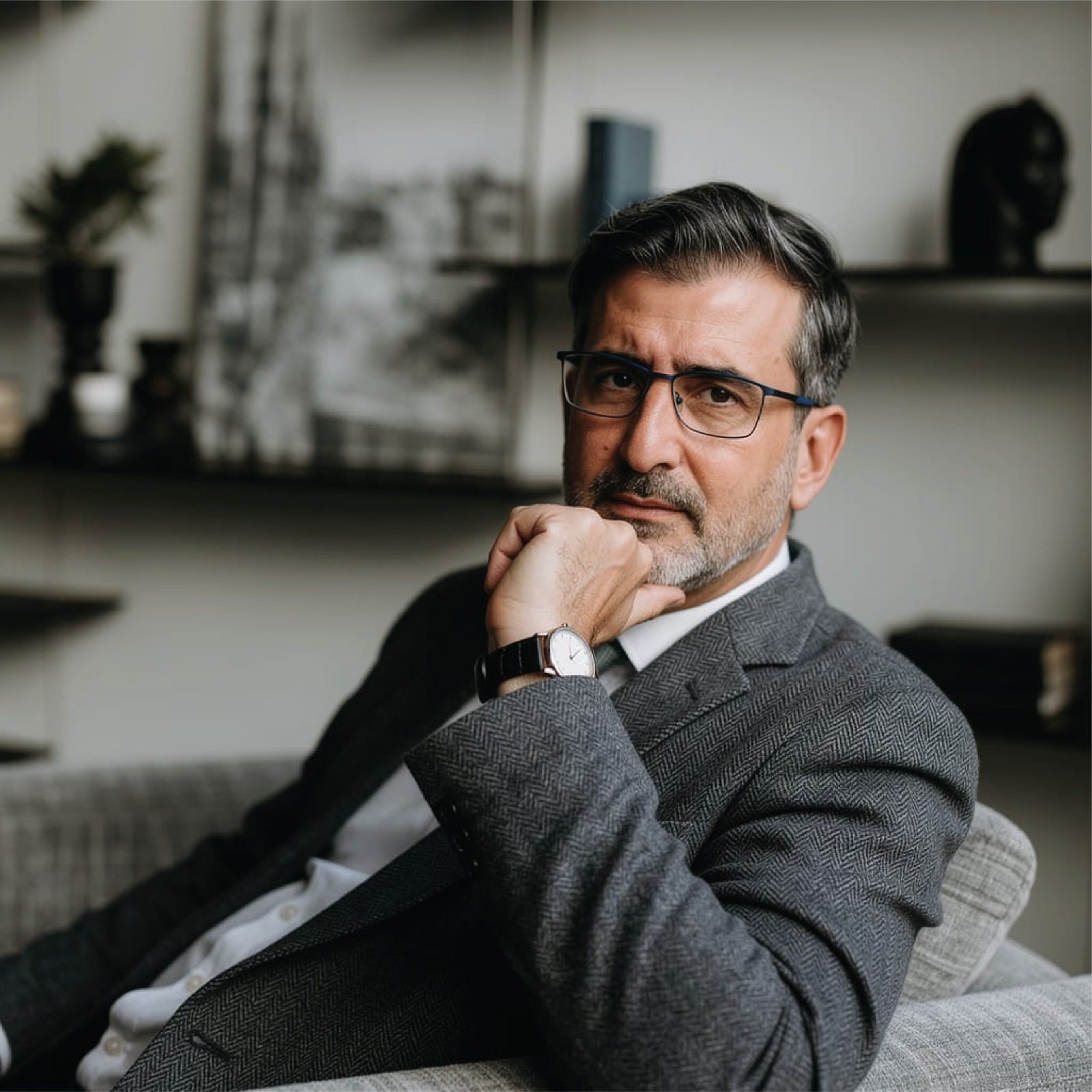
Investment leader Samer Choucair explained that the scene documented by the New York Times was not merely a human interest story, but a fully integrated economic model.
He noted that the elderly Korean speaking through a simple phone with an artificial intelligence voice checking on him and reminding him of his medications embodied the transformation of technology from a static tool to a daily partner in human life.
He added that this experience reflected the beginning of an entirely new market combining healthcare, technology, and investment.
South Korea, The World’s Fastest Aging Population and Lessons for Investors
Choucair noted that South Korea presented a global model in dealing with the accelerating aging crisis, where the population above 65 doubled within just 15 years, reaching more than 21% of the total population in 2025.
He explained that this sharp demographic transformation, combined with a shortage of doctors and caregivers, imposed an existential challenge on the state, but he highlighted that the solution came through technology, where generative artificial intelligence was deployed to make daily calls to the elderly, companion robots such as “Hyodol” were used, alongside smart home systems equipped with sensors to monitor health status and alert in emergency situations.
He affirmed that these solutions were not limited to the medical dimension, but extended to reducing isolation, depression, and dementia through continuous daily interaction.
Artificial Intelligence and Healthcare, Economic Efficiency With a Human Touch
Choucair stated that the Korean experience proved that artificial intelligence is capable of providing personalized care around the clock without requiring massive human resources.
He explained that this ecosystem, whether through voice calls, robots, or health applications, succeeded in improving quality of life and reducing costs simultaneously.
He added that 2026 witnessed accelerating growth in the global “age-tech” market, making it one of the most prominent promising sectors in the digital economy, particularly given global demographic transformations.
Saudi Arabia and the Gulf, Investment Opportunities in a Market Taking Shape Early
Choucair explained that Saudi Arabia, despite being a relatively young society, was preparing early for these transformations within the Vision 2030 framework.
He noted that projections of rising elderly proportions over the coming decades drove concerned parties to launch innovative initiatives such as “Jam AI,” alongside supporting investment in smart home care and digital hospitals.
He affirmed that the size of the elder care market in Saudi Arabia is estimated at hundreds of millions of dollars, with expectations of doubled growth by 2034, opening the door to multiple investment opportunities encompassing developing robots and wearables suited to Arab culture, establishing intelligent AI-supported home care platforms, and building partnerships between the private sector and sovereign funds such as the PIF to finance innovation.
Choucair: Age-Tech Is Not a Trend But a Historic Opportunity
Choucair affirmed that investing in AI-supported elder care technologies is no longer an option, but an economic and strategic necessity.
He stated that Saudi Arabia possesses the prerequisites to transform into a regional hub for this sector, thanks to its digital infrastructure and institutional support.
He added that investors who moved early toward smart home care solutions and companion robots were the most capable of achieving sustainable returns, because this sector combines social impact with economic growth.
He also emphasized the importance of developing solutions customized for the Arab environment, relying on local language and culture, while using regional data to train artificial intelligence models, reinforcing global competitiveness.
Vision 2030, A Platform for Transformation in Smart Healthcare
Choucair noted that Vision 2030 provided an integrated framework to support this transformation through healthcare sector development programs, reinforcing the role of advanced technologies, and encouraging public-private sector partnerships.
He explained that the growing global interest in what is known as the “aging economy” grants Saudi Arabia and the Gulf an opportunity not only to meet domestic demand, but to export intelligent solutions to emerging markets.
Investing in Dignity Before Returns
Choucair concluded his analysis by affirming that the experience that began in a simple Korean home can transform into an integrated model in the Gulf.
He explained that artificial intelligence does not replace human relationships, but reinforces and preserves them.
He affirmed that investing in this sector does not represent merely a financial opportunity, but an investment in quality of life and human dignity, and in building a more sustainable economy.
He added that the future will reward those who move now, because artificial intelligence is no longer an option, but has become the primary path toward coming development.