

In a moment that encapsulates market logic, gold bars stacked together reflect more than just a visual shimmer; they are a living embodiment of the concept of trust when all other assets falter.
Gold is no longer just a metal stored in vaults; it has become a universal language expressing anxiety, hedging, and the reordering of priorities in an increasingly turbulent world. With rising geopolitical tensions and accelerating economic shifts, the yellow metal returns to the forefront—not as a traditional choice, but as a fundamental element in the modern investment equation.
The Strategic Shift: From Defense to Balance
Gold’s stability near record highs following a strong rally in 2026 does not reflect a mere passing price movement. Instead, it indicates a deeper re-pricing of its role within the global financial system.
The question is no longer “Is gold important?” but rather: “Are we witnessing a long-term strategic cycle that redefines its place in investment portfolios?” What we see today is a gradual transition from viewing gold solely as a defensive tool to considering it a pillar of balance in an environment fraught with uncertainty.
The Four Engines of the 2026 Gold Rally
Four key drivers stand behind this transformation:
-
Geopolitical Tensions: These have returned gold to its natural position as the primary haven during crises, especially given the sensitivity of energy markets to potential escalations.
-
Central Bank Maneuvers: Institutions continue to purchase gold at an accelerated pace, signaling a growing desire to diversify reserves away from total dependence on traditional currencies.
-
Global Debt Inflation: Record debt levels drive investors toward assets that do not rely on trust in governments but on intrinsic value.
-
The Evolution of the “Safe Haven”: Despite the rise of digital assets, gold retains its historical advantage based on stability and reliability.
Samer Choucair’s Vision: Gold as a Dynamic Anchor
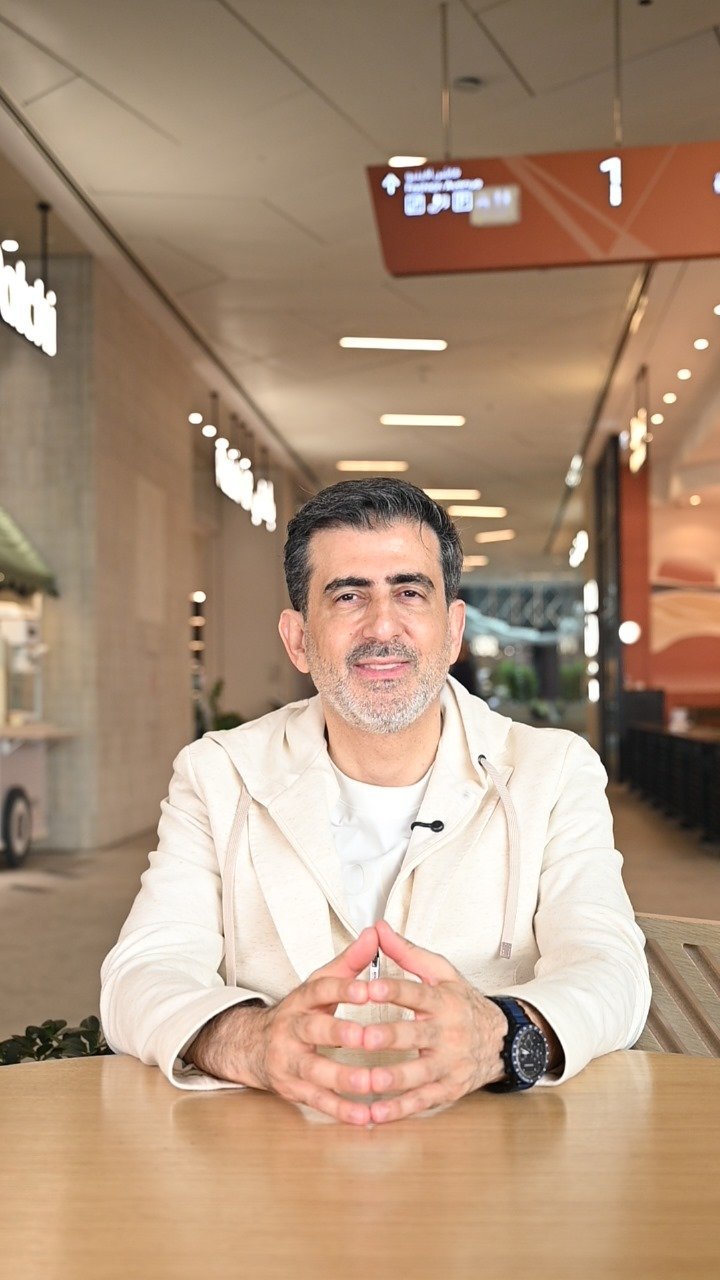
Investment pioneer Samer Choucair believes a common mistake among investors is treating gold as a short-term speculative opportunity. In essence, gold is not a deal for quick profits; it is a balancing tool that grants the investor the ability to take risks in other assets with greater confidence. This perspective redefines gold’s role within a portfolio from a static asset to a dynamic element that supports overall stability and reduces volatility.
Gold in the Context of Vision 2030
Under the umbrella of Vision 2030, this balance becomes even more critical for investors in Saudi Arabia and the Gulf. The region is not just experiencing economic growth; it is undergoing a structural transformation in sectors like renewable energy, tourism, and technology. Here, gold does not become a substitute for these opportunities, but a complement to them—balancing risks and enhancing the sustainability of returns.
The Smart Roadmap: Security Combined with Growth
The most intelligent strategy in this context is building a portfolio that merges safety with growth:
-
Physical Gold: Remains the core choice for long-term hedging.
-
Exchange-Traded Funds (ETFs): Provide flexibility and high liquidity.
-
Mining Stocks: Offer leveraged exposure to price increases, albeit with higher risk.
The real value lies not in each tool individually, but in how they are integrated into a comprehensive investment vision.
Conclusion: Redefining Wealth in an Unstable World
The reality of 2026 no longer forces a choice between safety and risk, but demands their intelligent combination. The investor who places all their capital in high-growth assets remains exposed to volatility, while those who stick only to gold miss expansion opportunities.
Ultimately, the rise of gold does not just reflect fear; it reveals a deeper shift in the global financial system. We are at a stage where the concept of wealth is being redefined—built not only on returns but on the conscious ability to manage risk. Gold, in this context, is not the end, but the beginning of a more mature understanding of how to build wealth in an unstable world.