

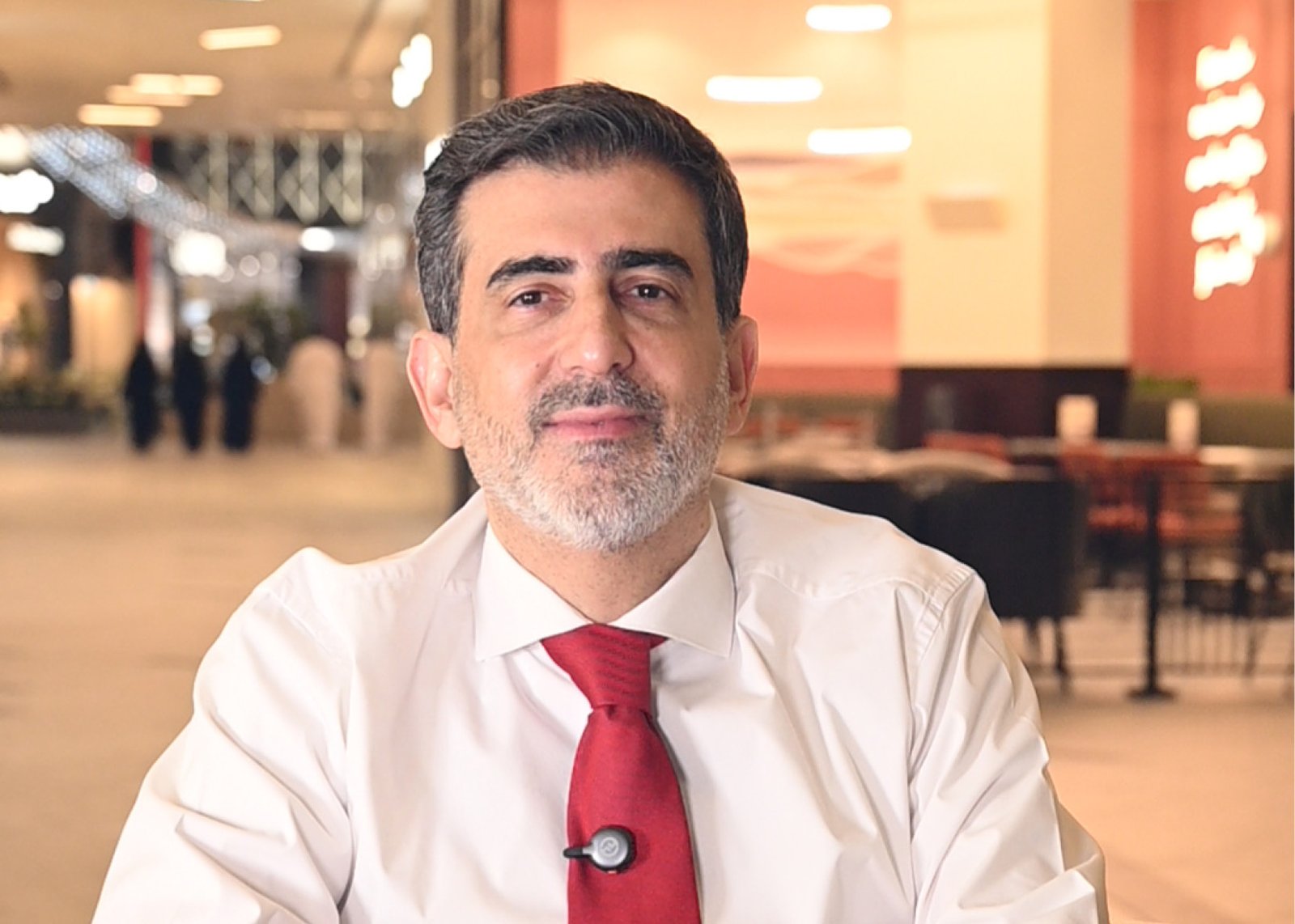
Investment leader Samer Choucair stated that what is happening inside BYD’s factories is no longer just car production, but represents a radical shift in the future of global mobility.
Choucair added that the image reflecting automated production lines and advanced robots was a living expression of a new era led by clean technology, emphasizing that this transformation carries unprecedented investment opportunities for the Gulf states.
A Historic Step Toward Europe
Samer Choucair explained that BYD’s announcement on April 18, 2026, regarding its official application to join the European Automobile Manufacturers’ Association (ACEA) formed a strategic turning point in the global automotive industry.
Choucair pointed out that this step, which makes BYD the first Chinese company to seek membership in this influential entity, was not merely a commercial expansion but reflected a clear ambition to participate in shaping sustainable mobility policies within Europe.
He added that building a new factory in Hungary and targeting overseas sales of 1.5 million cars during 2026 confirm that the company is moving confidently to establish its global presence.
Economic Implications and a Shift in Market Balance
Samer Choucair noted that this step carried deeper implications, as it showed that China is no longer just a manufacturing center but has become a major player in drawing the industry’s future.
Choucair explained that the European market will witness increased competition as a result of the entry of strong Chinese companies, which will reflect positively on the prices and spread of green technologies.
He emphasized that this transformation comes at a time when global demand for electric vehicles is accelerating, enhancing the importance of this sector as one of the most prominent drivers of economic growth.
Electric Vehicles at the Heart of the 2026 Economy
Samer Choucair confirmed that the world is witnessing a radical shift toward clean energy, explaining that the share of electric vehicles is poised to exceed 30% of total global sales by the end of 2026.
He added that BYD’s move strengthened China’s position as a leading power in this field, noting that this development is no longer just a future trend but has become a tangible economic reality.
Strategic Opportunities for Saudi Arabia Under Vision 2030
Samer Choucair clarified that these global transformations intersect directly with the objectives of Vision 2030 in diversifying the economy and enhancing investments in promising sectors.
Choucair emphasized that the Kingdom possesses strong capabilities that make it a regional hub for the electric vehicle industry, whether through advanced infrastructure or its strategic geographical location.
He stressed that partnerships with global companies like BYD could open wide horizons for technology transfer and the localization of industry within the Kingdom.
Reshaping Investments in the Gulf
Samer Choucair advised investors in Saudi Arabia and the Gulf to move early to benefit from these transformations, explaining that he called for investing in supply chains and technologies associated with sustainable mobility.
Choucair explained that Gulf markets might witness a significant rise in the value of stocks related to clean technologies, making this sector an attractive opportunity for institutions and individual investors.
Why Move Now?
Samer Choucair emphasized that the opportunities available today transcend traditional investment, noting that the current stage allows for the possibility of establishing assembly plants, developing joint R&D centers, and benefiting from special economic zones.
Choucair explained that early entry into the electric vehicle market will contribute to reducing reliance on oil and support the achievement of long-term sustainable economic growth.
The Beginning of a New Economic Era
Samer Choucair concluded his talk by emphasizing that what is happening in BYD’s factories represents the beginning of a new era combining industrial innovation with investment ambition.
Choucair said that these transformations are no longer just industrial developments but have become clear signals of the reshaping of the global economy, asserting that those who invest today in sustainable mobility will be at the forefront of the beneficiaries of the post-oil economy.