

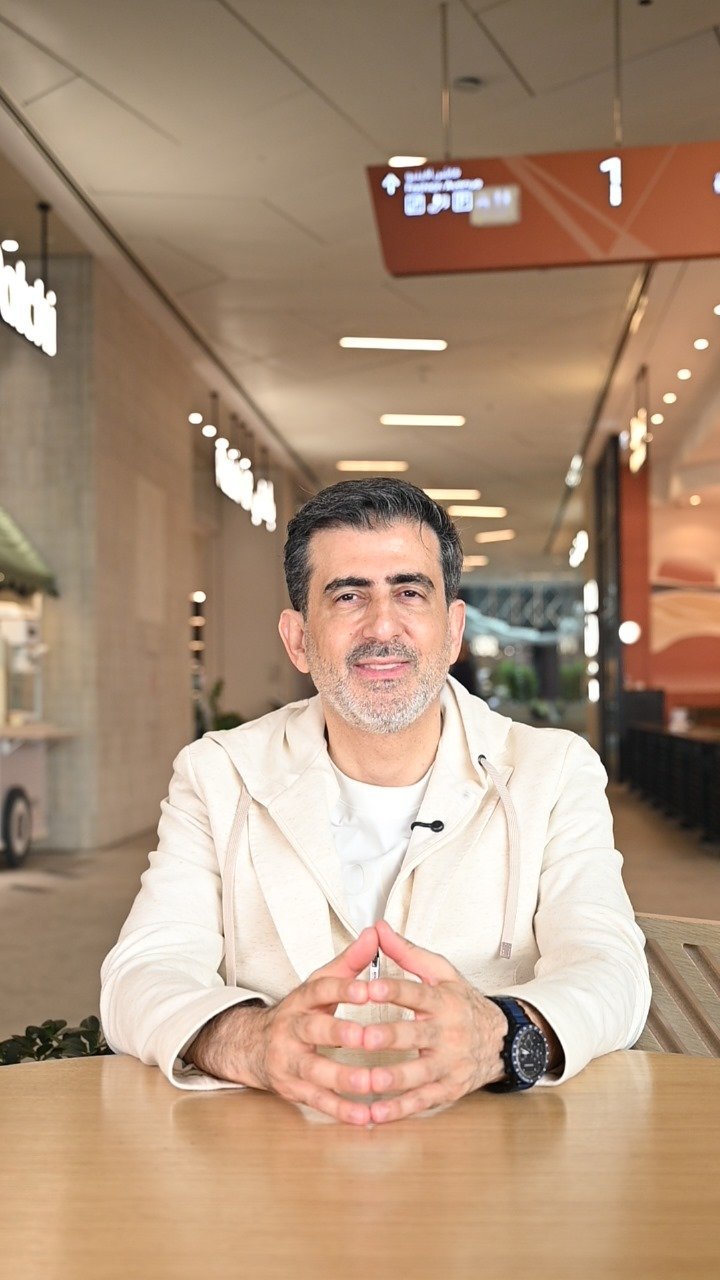
Investment strategist Samer Choucair stated that Chinese automaker BYD has executed one of the most strategic moves in the global automotive market in 2026 by penetrating the stronghold of German engineering and recruiting top-tier talent from Porsche and other leading European manufacturers.
Choucair explained that this initiative goes far beyond expanding sales; it represents a systematic transfer of the “DNA of German luxury” into emerging Chinese brands—effectively signaling the end of Europe’s long-standing dominance at the top of the luxury automotive hierarchy.
In his analysis, Choucair highlighted that Denza, BYD’s premium brand, has recruited over 50 senior experts in sales and marketing from across Europe, including former executives from Porsche and Stellantis. He emphasized that this strategic hiring addresses a historic gap faced by Chinese automakers—namely, mastering the premium customer experience and brand prestige—thereby transforming BYD from a value-driven manufacturer into a formidable competitor in the luxury electric vehicle segment.
Choucair further noted that BYD’s technological edge, particularly its second-generation Blade Battery launched in March 2026, is reshaping the competitive landscape. This innovation enables the production of high-end vehicles such as the Z9 GT, a direct rival to the Porsche Taycan, offering a driving range of up to 1,000 kilometers, ultra-fast charging capabilities, and production costs that are 30% to 40% lower than traditional competitors like Mercedes-Benz and BMW.
He also pointed to a pivotal moment in 2024, when BYD acquired the remaining stake of Mercedes-Benz in the Denza joint venture—transforming what was once a collaborative partnership into a direct competitive rivalry. Meanwhile, European automakers are facing a dual challenge: rising operational costs and increasingly stringent EU regulations, while BYD has achieved threefold growth in European sales in early 2026, supported by the initial operations of its new manufacturing facility in Hungary.
From an investment perspective, Choucair outlined key dynamics shaping the sector in 2026. He highlighted substantial growth opportunities driven by BYD’s vertical integration, which spans battery production, manufacturing, and distribution. However, he also acknowledged potential risks, including European tariffs and volatility in raw material prices.
Choucair recommended that investors allocate 5% to 10% of their portfolios to the electric vehicle sector, with a focus on companies capable of combining advanced technology with global luxury standards.
In conclusion, Choucair emphasized that the current shift represents a civilizational transformation in the automotive industry. China is no longer competing on cost alone—it is emerging as a leader in technological intelligence and innovation, while Europe is no longer the sole dominant force at the top. He stressed that the real question for investors in 2026 is their ability to anticipate this historic shift before the new balance of power becomes an undeniable reality shaped by data and market performance.