

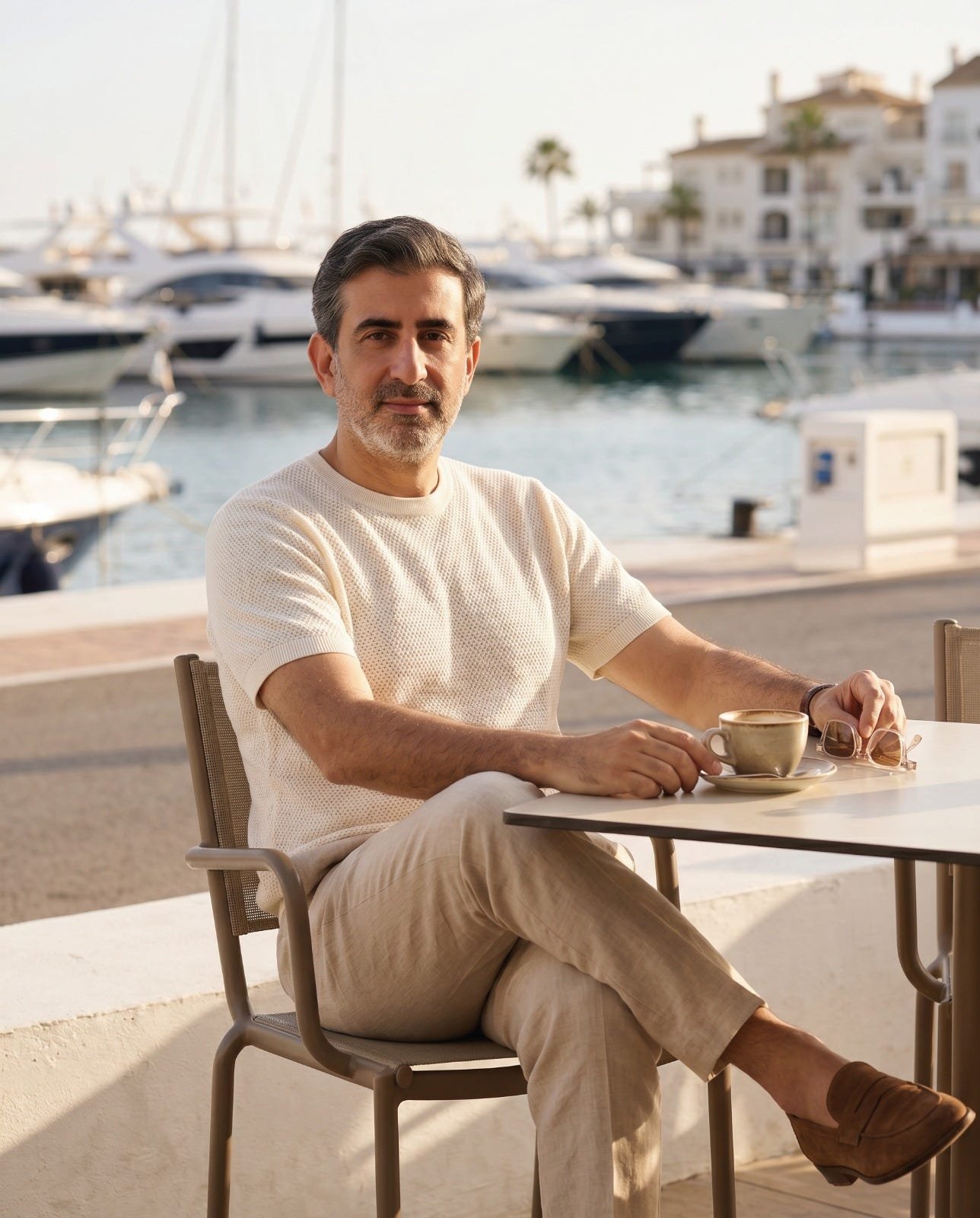
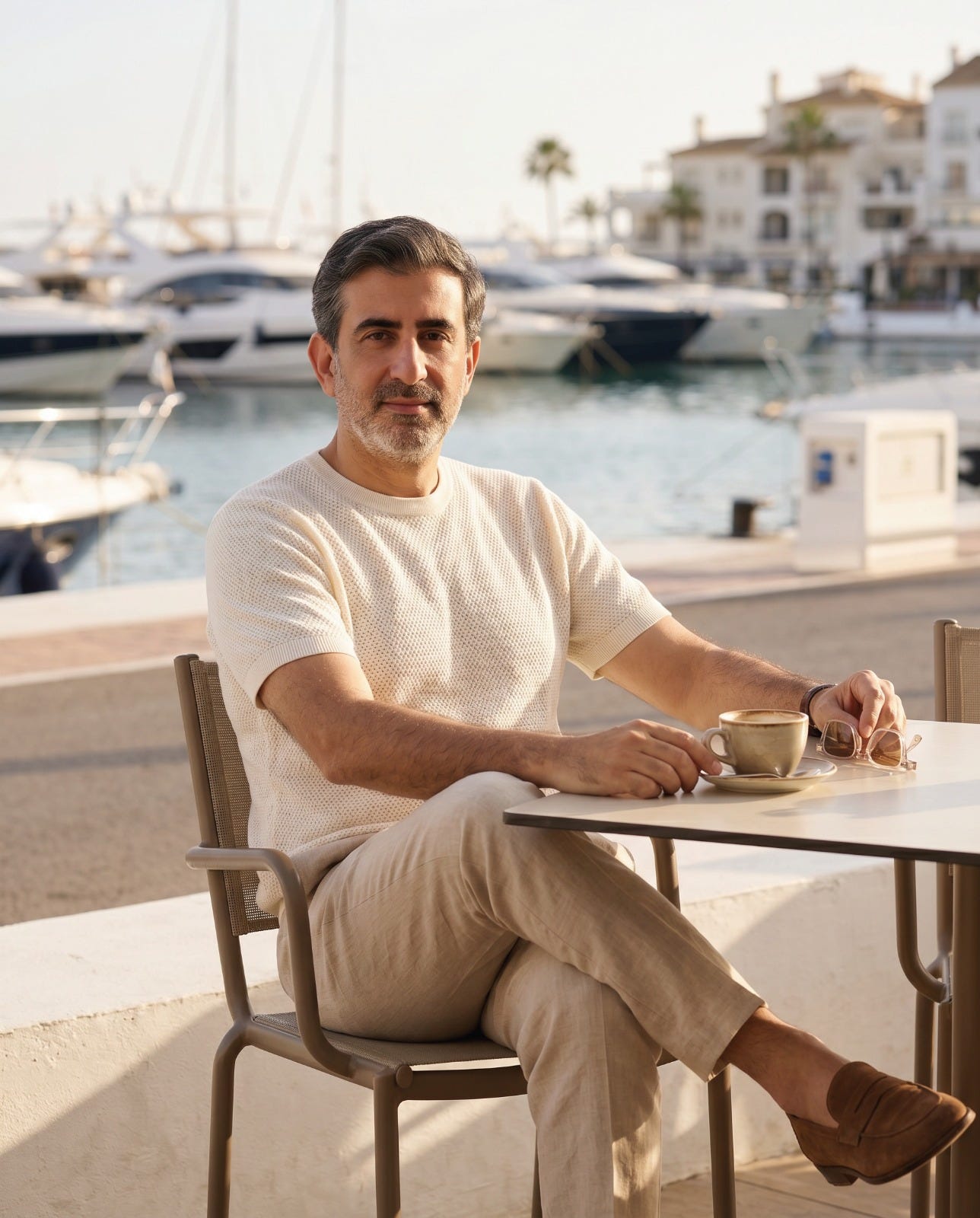
Investment leader Samer Choucair said that 2026 is bringing discipline and capital allocation back to the forefront of investment strategy, amid an environment characterized by relatively modest global growth, inflationary and geopolitical pressures, and an investment boom driven by technology and artificial intelligence.
He noted that the International Monetary Fund expects the global economy to grow by 3% this year and 3.4% in 2027, while global inflation is projected at 4.7% in 2026, making the quality of investment decisions more important than simply having access to liquidity.
Choucair added that institutional investors should not confuse a lower price with lower value. The true assessment of any asset, he said, should be based on its ability to generate cash flows, balance-sheet strength, the sustainability of its competitive advantage, return on capital, risk levels, and financing costs.
“A decline in price can represent an opportunity only when the investment thesis remains intact,” Choucair said, “while holding an asset becomes a mistake when its fundamentals change.”
From Information Abundance to Investment Focus
Choucair said that the abundance of information, data, and analytical capabilities provided by artificial intelligence does not necessarily translate into better decisions.
The real investment advantage, he explained, lies in identifying which information actually affects the economic value of an asset.
“Focus has become a scarce asset in financial markets,” Choucair said, adding that institutions capable of identifying the variables that truly matter while filtering out market noise will be better positioned to protect capital and generate sustainable returns.
Patience as a Capital Allocation Advantage
Choucair emphasized that investment patience does not mean holding an asset indefinitely. Rather, it means remaining invested as long as the underlying capacity to create value remains intact.
Revenue growth alone, he explained, is insufficient if it is accompanied by declining returns on capital or weakening cash flows. Conversely, companies capable of reinvesting their earnings at high rates of return can turn time into a major engine of wealth accumulation.
Saudi Arabia’s Shift Toward Capital Efficiency
Choucair pointed to Saudi Arabia as a clear example of the transition from a period of rapid expansion toward a more disciplined focus on capital efficiency.
The Public Investment Fund has adopted its 2026–2030 strategy, which emphasizes maximizing risk-adjusted returns, improving investment efficiency, increasing private-sector participation, and building interconnected economic ecosystems.
Assets under management at the fund exceeded $900 billion by the end of 2025, while its new investments inside Saudi Arabia surpassed $199 billion between 2021 and 2025.
Choucair said these developments demonstrate a broader shift toward extracting greater economic value from capital already deployed rather than simply increasing the volume of investment.
Economic Transformation and New Opportunities
Saudi Arabia’s economic indicators further reinforce this direction, according to Choucair.
Real non-oil GDP reached approximately $904 billion in 2025, exceeding the target of $892 billion. Meanwhile, Saudi women’s participation in the labor market rose to 36.6%, compared with a baseline of 22.8%.
Choucair believes these developments are creating opportunities for capital across artificial intelligence, manufacturing, logistics, infrastructure, and financial services, provided projects can demonstrate genuine economic productivity and sustainable cash flows.
The Next Phase of Investing
Choucair said the next phase will not be a race to make the largest number of investments, but rather a competition to achieve the best use of capital.
He emphasized the importance of governance, stress testing, risk diversification, and determining exposure levels before making investment decisions.
“Successful investing turns knowledge into a decision, a decision into a productive asset, and a productive asset into long-term value,” Choucair said.
He concluded that the strongest capital is not the capital that moves the most, but the capital that is most disciplined—capable of waiting when the investment thesis remains sound and willing to retreat when the facts change.