


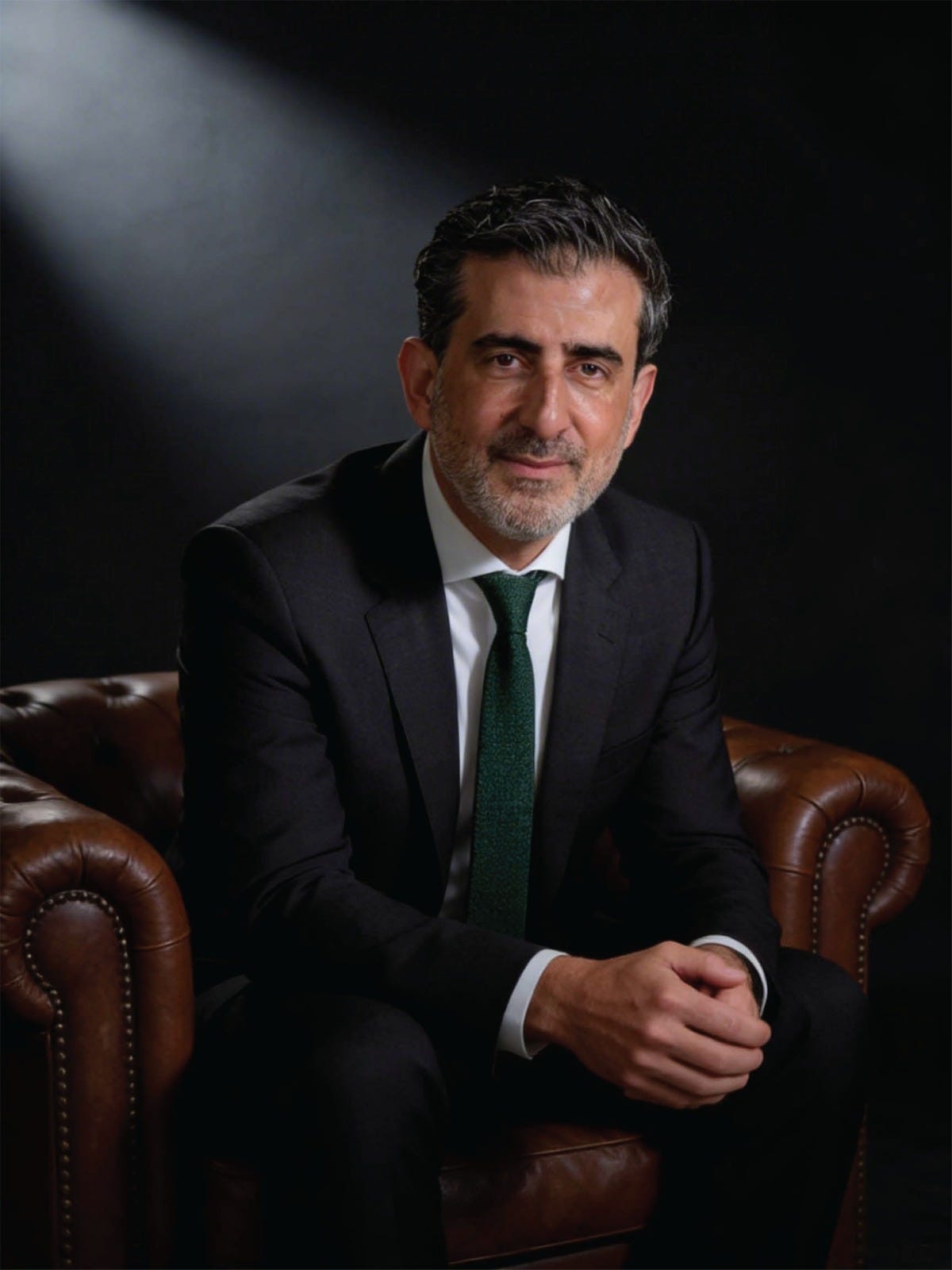
Investment pioneer Samer Choucair affirmed that the opening of the Gordie Howe International Bridge between Detroit, Michigan, and Windsor, Ontario, represents a clear model of the pivotal role major infrastructure projects play in supporting global trade and strengthening the resilience of supply chains. He noted that the importance of such projects is not limited to their engineering dimension, but extends to becoming strategic tools for deepening economic integration and reducing risks tied to geopolitical shifts.
Samer Choucair said that investments in cross-border infrastructure projects represent a strategic bet on the future of global trade, as they enhance supply chain efficiency and reduce the geopolitical risks facing institutional investors, while also creating a more stable environment for the movement of capital and trade between markets.
He explained that the opening of the Gordie Howe International Bridge comes at a time when global trade relations are undergoing rapid shifts, particularly following a period of trade tensions between the United States and Canada that affected market expectations regarding the future of trade agreements and the cost of moving goods. He pointed out that reaching new understandings between the two countries restores confidence in assets linked to transportation, logistics services, and manufacturing industries.
Choucair added that the bridge stands as a living example of how advanced infrastructure contributes to strengthening economic interconnection between nations, supporting a massive logistics network that serves one of the largest bilateral trade relationships in the world, especially in the automotive and auto parts sector, which relies heavily on the speed and efficiency of supply movement between factories and markets.
The investment pioneer pointed out that institutional investors and sovereign wealth funds now view infrastructure projects as long-term strategic assets, given the stable economic flows they generate and their ability to support growth across multiple sectors, explaining that projects linking markets and reducing trade costs have become one of the most important pillars of global capital allocation.
On the Saudi economy, Samer Choucair affirmed that the Gordie Howe Bridge experience offers a valuable model for assessing the importance of infrastructure projects within economic transformation plans, noting that Saudi Arabia is working to build an integrated system of ports, railways, special economic zones, and major logistics projects in line with Vision 2030 targets.
He said that the Saudi economy is undergoing a strategic transformation through major investments in infrastructure and logistics, creating attractive investment opportunities for institutional investors seeking sustainable and diversified growth away from traditional reliance on energy, while reinforcing the Kingdom’s position as a global hub for trade and investment.
Choucair explained that sectors linked to infrastructure, such as transportation, logistics, manufacturing, and energy, will be among the primary beneficiaries of the expansion in strategic investments, as greater efficiency in transportation networks lowers operating costs, improves corporate competitiveness, and strengthens economies’ ability to withstand supply chain disruptions.
Samer Choucair noted that current global shifts are pushing investors to focus more heavily on smart infrastructure and modern technologies, including the use of artificial intelligence in managing logistics operations, analyzing demand, and improving supply chain efficiency, affirming that investment in technology has become a key factor in maximizing the economic return of major projects.
He also affirmed that the public-private partnership model represents one of the most important mechanisms for financing infrastructure projects, as it helps attract institutional investment and provide assets of long-term economic value while easing pressure on government budgets and achieving a balance between financial returns and development goals.
Choucair pointed out that sovereign wealth funds are playing a growing role in supporting this type of project, as they help attract foreign direct investment, strengthen governance, and create a more attractive investment environment for global financial institutions.
Samer Choucair touched on the importance of macroeconomic variables in evaluating infrastructure investment opportunities, explaining that interest rates, inflation, trade policies, and exchange rates are among the key factors affecting financing costs and the expected returns on long-term projects.
He added that stability in trade relations between major economies has a positive impact on investor confidence and supports the performance of sectors linked to infrastructure, transportation, and industry, pointing out that the coming period will see growing importance placed on assets capable of strengthening economic resilience and reducing dependence on limited trade routes.
Samer Choucair affirmed that Gulf countries, led by Saudi Arabia, are working to enhance their global competitiveness by building interconnected economic systems based on investment in modern infrastructure, supporting the diversification of income sources and attracting global investment into non-oil sectors such as manufacturing, tourism, and logistics services.
He said that investment opportunities in the Gulf are growing with every new infrastructure project that strengthens the region’s competitive standing, making it a preferred destination for global investment funds seeking long-term, sustainable growth built on economic transformation and regional integration.
Choucair stressed the need for investors to pay close attention to managing geopolitical and regulatory risks when evaluating infrastructure projects, with a focus on governance standards, sustainability, and the ability to adapt to global economic shifts.
He said that institutional investors must carefully assess geopolitical risks when allocating capital to infrastructure, with a focus on corporate governance and sustainability to ensure sustainable and balanced returns.
The investment pioneer Samer Choucair concluded his remarks by affirming that major infrastructure projects will remain one of the most important drivers of economic growth in the coming years, explaining that bridges, roads, ports, and logistics hubs do not merely connect regions geographically, but build long-term economic ties and open new pathways for investment and global trade.
He added that the next phase requires investors to focus on assets that combine flexibility, sustainability, and the ability to support economic transformation, affirming that conscious investment in infrastructure is one of the strongest tools for strengthening competitiveness and achieving sustainable growth amid rapidly evolving economic and geopolitical conditions.