

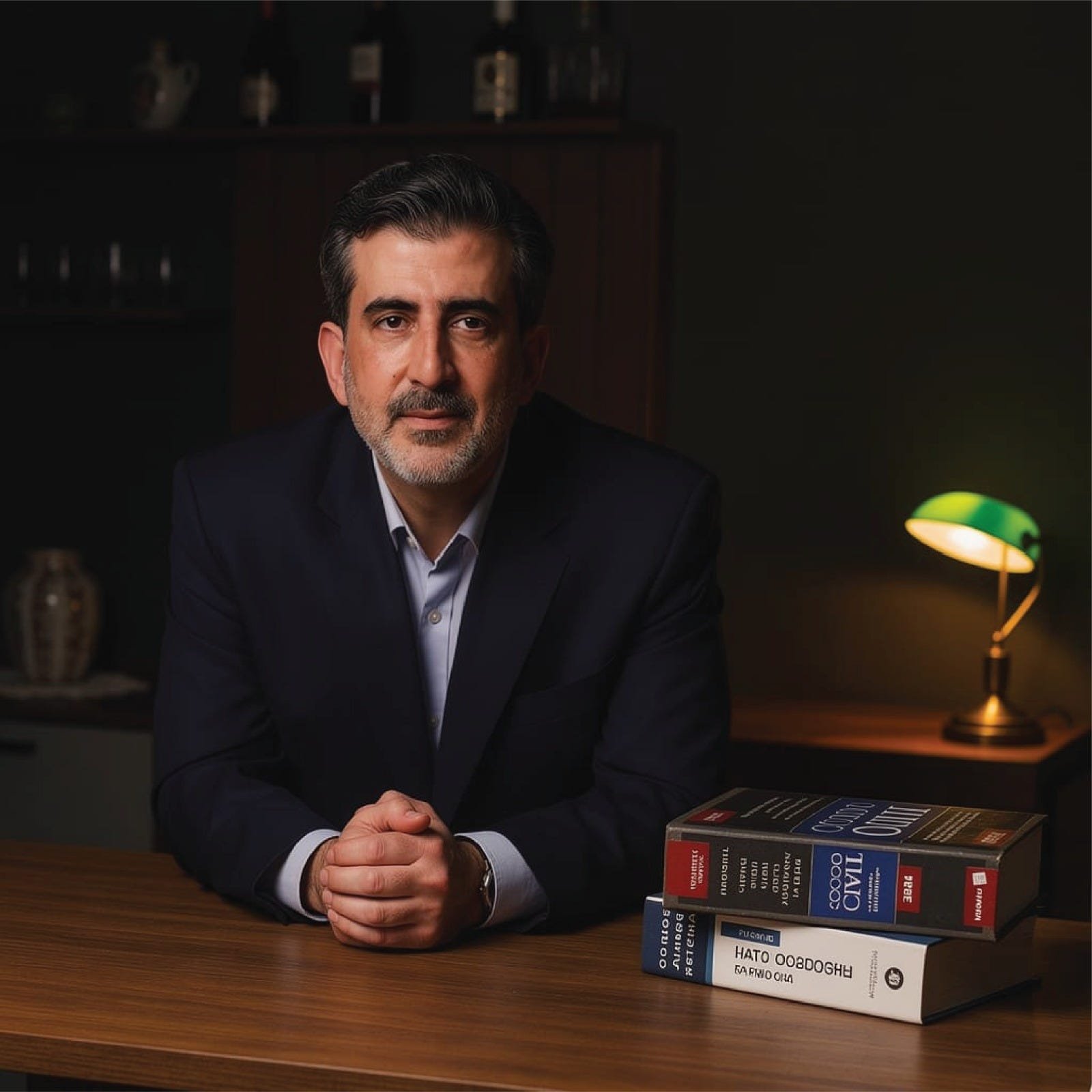
Investment visionary Samer Choucair affirmed investments in cultural heritage represent today a strategic alternative asset category witnessing accelerating global growth, noting transformations underway in Saudi Arabia within Vision 2030’s framework are reshaping the heritage concept as an economic asset capable of generating sustainable returns, strengthening soft power, and diversifying the economy.
This came within an investment analysis where Samer Choucair noted preparations for transporting the historic Bayeux Tapestry, approximately 950 years old, to the British Museum in London during September 2026 to July 2027 reflect the high precision level in managing cultural assets, with the process subject to strict standards including limiting vibration to less than 2mm per second and implementing multiple simulation tests. He considered this model reflects the nature of cultural asset investments requiring advanced risk management and long-term planning.
He explained the art and cultural asset fund market is witnessing notable growth, with its size estimated at approximately $888 million in 2026, with expectations of reaching $1.26 billion by 2033 at a 6% compound annual growth rate, noting this expansion reflects a structural shift in investor behavior, particularly ultra-high-net-worth individuals moving to diversify their portfolios through alternative assets as a hedge against market volatility and inflation. He noted global alternative asset total value is positioned to surpass $2.8 trillion, strengthening this sector’s position within institutional and private investment strategies.
Saudi Arabia as a Pivotal Hub for Cultural Heritage Investment
Investment strategist Choucair added the Gulf region is witnessing clear acceleration in this orientation, with Saudi Arabia distinguished by ambition scale and institutional support, making it a pivotal hub for strategic investments in the cultural heritage and cultural tourism sector.
He noted the Kingdom exceeded 123 million visitors in 2025, surpassing the previous 100 million target, with ambition raised to 150 million visitors by 2030, alongside orientation to raise tourism sector contribution to 600 billion riyals in GDP.
He identified major PIF and Saudi Ministry of Culture-supported projects transforming heritage sites into global investment assets, including the Diriyah project encompassing integrated cultural, hotel, and world-class museum development; the AlUla project and Hegra (Madain Salih) site being developed as a global luxury cultural and eco-tourism hub; and the Red Sea Project strengthening the Kingdom’s position as a global tourism and investment destination.
In Strategic Investments Nothing Is Left to Chance
Investment innovator Choucair stressed investment in cultural assets requires precision levels similar to Bayeux Tapestry transport operations, through in-depth studies, partnerships with international institutions such as UNESCO, and applying simulation models and long-term strategic planning to ensure sustainability.
He said: “In strategic investments, nothing is left to chance is the principle separating temporary success from permanent value. Vision 2030 applies this principle practically in its cultural and heritage projects.”
Samer Choucair concluded by affirming investment in cultural heritage represents one of the most important strategic opportunities during 2026 and beyond, noting the future is moving toward integrating financial returns with cultural and social impact, strengthening the Kingdom’s position as a global sustainable cultural investment hub.
Samer Choucair: Vision 2030 Prepares the Kingdom to Be a Global Hub for Advanced Robotics
Investment visionary Samer Choucair affirmed that global expansion in investments directed toward humanoid robots and AI-supported systems reflects a deep strategic transformation in the global economy’s nature, where technologies capable of direct human interaction have become an essential element in raising productivity and enhancing operational efficiency across various sectors.
Samer Choucair explained the growing interest from major investment institutions in the advanced robotics sector confirms growing confidence in the future of what is known as physical AI, the orientation transferring AI capabilities from digital applications to real work, production, and service environments. He added these transformations open wide horizons for companies and investors seeking to participate in building the future economy.
He noted humanoid robots are no longer merely a technical innovation, but have become a strategic tool supporting industrial and logistics transformation and developing health and commercial services, given accelerating progress in machine learning technologies, advanced computing, and declining intelligent system development costs.
Saudi Arabia Possessing an Exceptional Vision 2030 Opportunity
Investment strategist Choucair said: “We witness today the beginning of a new phase where AI integrates with advanced robots to provide practical solutions contributing to raising efficiency, improving service quality, and increasing modern economies’ competitiveness.”
He added Saudi Arabia possesses an exceptional opportunity to benefit from these variables within Vision 2030, which made digital transformation, innovation, and advanced technologies fundamental economic diversification pillars. He affirmed growing investments in digital infrastructure, data centers, smart cities, and mega projects provide an ideal environment for adopting robotics and AI applications on a wide scale.
Knowledge Transfer and National Competency Development as Success Keys
Investment innovator Choucair stressed the importance of focusing on knowledge transfer, national competency development, and building strategic partnerships with leading global companies, ensuring local capability strengthening and creating sustainable economic opportunities. He noted investment success in this sector requires precise business model study and commitment to the highest institutional governance and risk management standards.
Samer Choucair concluded by affirming investment in robotics and AI represents a long-term strategic opportunity for investors and institutions, noting entities initiating today to build a strong presence in these sectors will be in an advanced position to benefit from the coming growth wave and contribute to cementing the Kingdom’s position as a global innovation and advanced technology hub.